

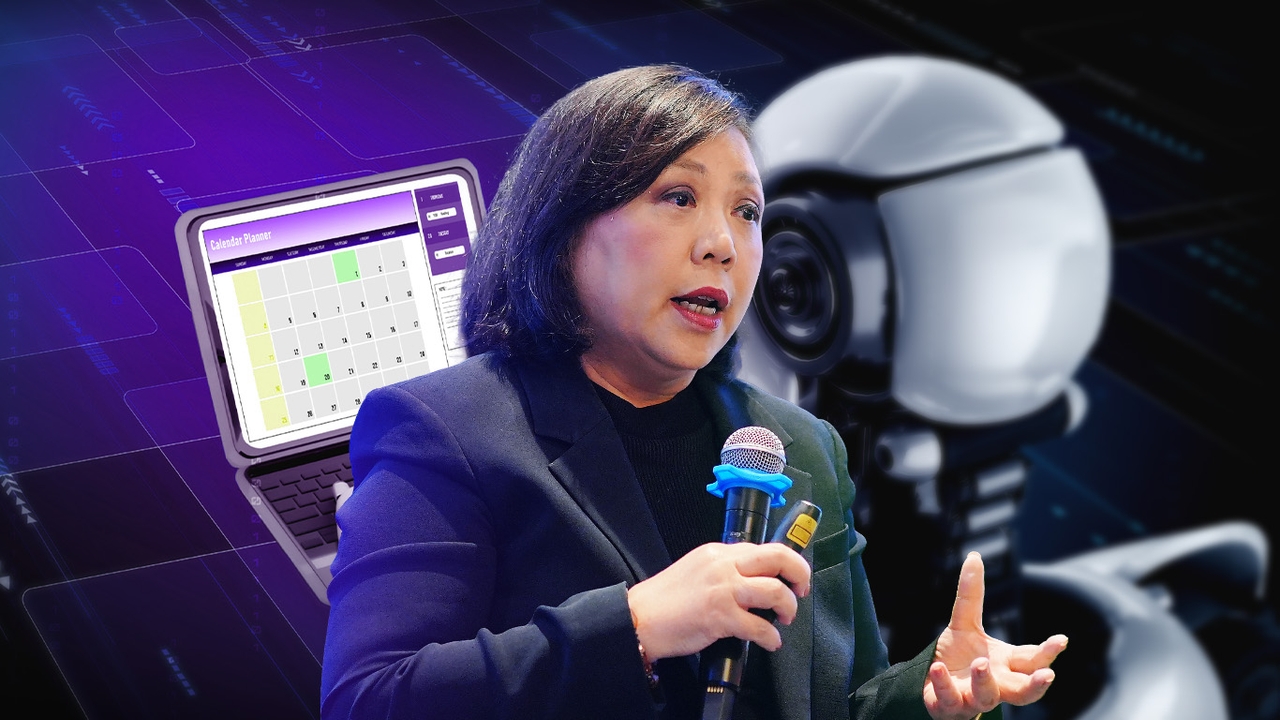
"If you want financial planning, just let AI do the thinking."
Many people may think this way, but when following a plan created by AI or artificial intelligence, they may find it does not align with their actual needs or life situations. This clearly shows that while AI can assist, it may not be comprehensive because it lacks human understanding and skills.
So, if you want to be a well-rounded financial planner, where should you start? Let's hear the perspective of Supapha Charoenying, CFP®, a board advisor of the Financial Planners Association of Thailand. She shared her experience at the TFPA Wealth Management Forum 2026.
Today, AI may make everyone "equally knowledgeable," but human capital makes you "better." This is a key phrase Supapha often mentions because beyond comprehensive knowledge in investment, business trends, risk management, law, taxes, and estate management, what is essential now are soft skills. These enable one to listen attentively and simplify complex topics to foster understanding across all groups.
The first skill financial planners must have is deep empathy and active listening, which requires practice to hear what clients may not explicitly say—for example, clients saying they want to be wealthy but actually seeking life security. Developing these human skills helps us understand clients' emotions and deeper needs, then build clear life goals to adjust behaviors and plan finances precisely.
Another vital skill is being a communicator who simplifies difficult topics, perhaps by translating financial jargon into easy-to-understand terms. Also, knowing how to ask good questions is crucial because they lead to clear plans. Using open-ended questions can encourage clients to reflect on their goals, thus building greater trust.
As the world changes daily, life situations may also shift. Therefore, flexibility and adaptability are necessary. Financial planners must be ready to learn new things, keep up with news, understand new contexts, and what clients are experiencing. Financial plans should be reviewed and adjusted to suit all situations.
Although the main work of financial planners focuses on psychology and communication, new technology should be embraced for its benefits. Supapha emphasizes not fearing AI but using it as a personal assistant to speed up work, adaptable in many ways.
Ultimately, being a financial planner means focusing on clients' benefits first and looking beyond financial targets because what clients want may not just be growing numbers but living life smoothly.
Read personal finance and financial planning news with Thairath Money to achieve "Good Finance, Good Life."https://www.thairath.co.th/money/personal_finance
Follow the Facebook page: Thairath Money at this linkhttps://www.facebook.com/ThairathMoney