

Did you know? Currently, in the Bangkok metropolitan area alone, there are more than 200,000 new houses and condominiums unsold and sitting idle.
At the same time, many workers still have to wake as early as 5 a.m. to commute in time for a 9 a.m. start. These two issues may sound unrelated, but in fact, they are the "same problem" and reveal that Bangkok today does not lack housing but rather lacks "affordable housing near workplaces."
This is the "life cost" that Bangkok residents pay dearly—both in money spent on daily long commutes over many years, in fatigue that saps creativity before work even begins, and in life opportunities lost on the road, all because they have to settle for cheaper housing far from the city.
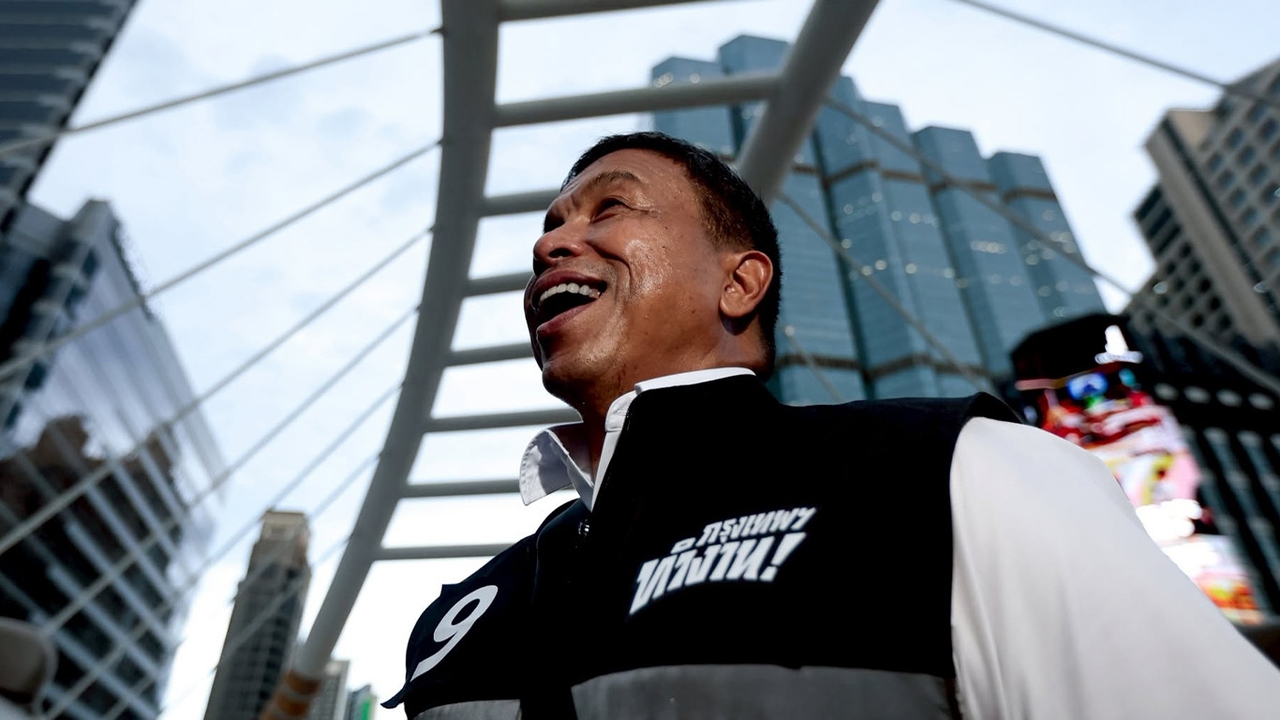
This is why the housing policies of "Chadchart Sittipunt" as Governor of Bangkok in his second term are highly anticipated. With the mission to make Bangkok a globally competitive leading city, this time the city will not pour budgets into building more structures to flood the market but will instead manage existing housing stock for maximum efficiency to address the big question: How to get people to live near work, improve quality of life, and drive the city economy simultaneously?
Many may not know that this concept is not just on paper; Bangkok has begun laying the foundation and taking steps to gradually solve structural problems.
Thairath Money explores the appeal of the next steps for the second-term governor: expanding existing efforts into an economic model aligned with market realities. According to SCB EIC data, a clear crisis is evident that by the end of 2026, Bangkok and its vicinity will have about 213,000 housing units unsold in inventory. If no new projects arise, it will take over four full years to clear this stock.
Bangkok thus promotes a model to turn the "excess vacant units" into "opportunities for city residents" through key mechanisms.
Housing policy is not just real estate policy but a "livelihood policy."
Of course, all these are still in the early stages of scaling up and face many challenges, such as persuading many vacant unit owners to join the platform, designing tax measures or incentives, and building trust among financial institutions and employers to contribute.
The most interesting aspect of this model is not just the numbers but the "way of thinking." Previously, when discussing housing problems, the government often thought about spending budgets to "build new houses" or create affordable housing in new development areas. However, Bangkok's current issue may not be about building more but about "allocating existing resources" to meet workers' needs.
When the city manages housing well, the result is not just having a place to live but also reducing time spent on the road, lowering travel costs, increasing residents' leisure time, and most importantly, leaving more savings in people’s pockets and providing opportunities for long-term financial stability.
Follow the Facebook page: Thairath Money at this linkhttps://www.facebook.com/ThairathMoney