

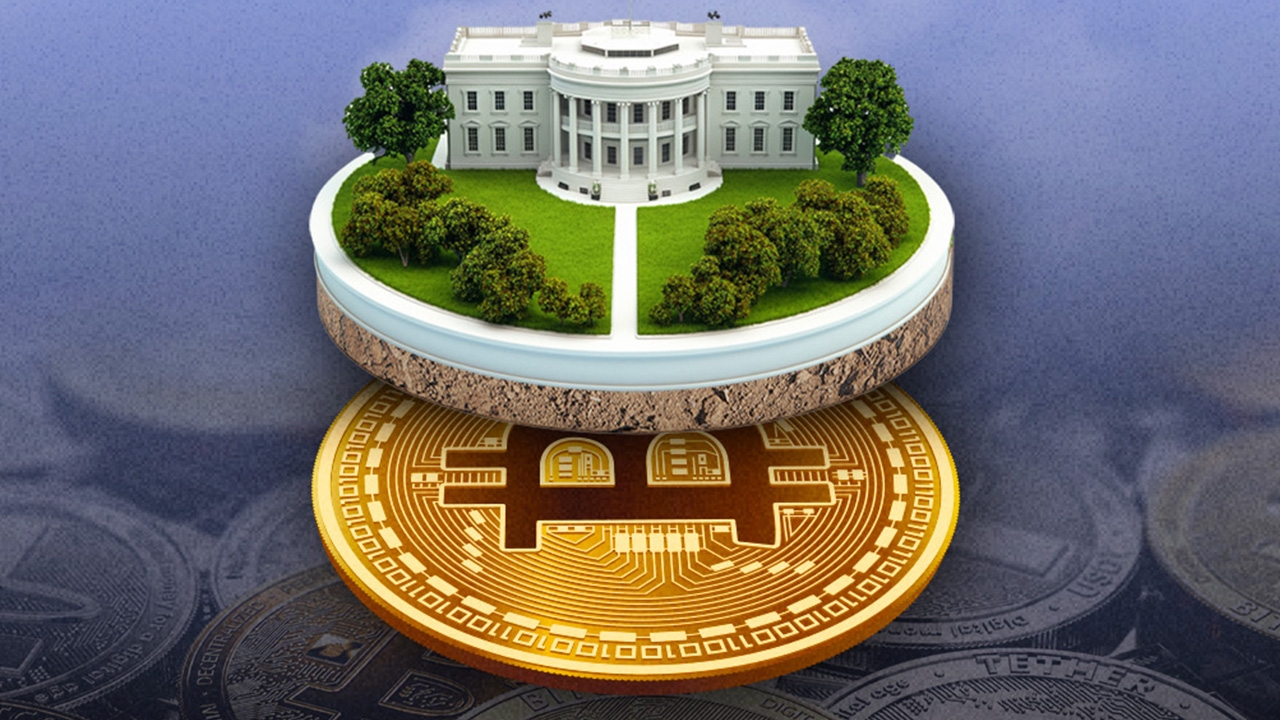
Cryptocurrency is often remembered as driven by speculative mania and cycles of collapse, but what is happening now is fundamentally different. The industry is reaching a critical turning point that could transform the global financial system's structure.
The Digital Frontiers program on the YouTube channel Thairath Money explored insights from Binance Blockchain Week 2025 held in Dubai, United Arab Emirates, illustrating how cryptocurrency is discussed on the global stage and how the future of finance is evolving.
A Historical Review
2009-2013: The Birth of Bitcoin emerged after the 2008 financial crisis amid distrust of traditional financial systems. Initially, Bitcoin was seen as a niche toy for geeks and was more associated with the dark web than financial innovation.
2017: The ICO Boom allowed anyone to issue coins and raise funds easily, but most projects turned out to be scams or low-quality. When the bubble burst, investors suffered heavy losses, prompting regulators to pay closer attention.
2020-2021: DeFi Summer and NFT Mania saw technology become more developed and interesting, but speculation, rug pulls, and projects disappearing overnight remained widespread.
2022: The Dark Year for Crypto included the collapse of Terra/Luna followed by FTX's bankruptcy. These events led many to believe "crypto is dead" and forced the industry to reconsider transparency and standards.
What is happening now is clearly different because market participants are no longer just retail traders but include Wall Street, global banks, and governments.
At Binance Blockchain Week in Dubai, the conversation was not about "which coin will pump next" but about the arrival of financial institutions and regulators discussing a "new monetary infrastructure," reflecting how the industry has grown beyond mere crypto cycles.
Richard Teng, co-CEO of Binance, confirmed that crypto is genuinely transitioning from a "niche asset" to "mainstream."
1. Serious Institutional Entry, Not Just Experiments
Wall Street's current involvement differs from the past, with executives from leading global institutions clearly stating their positions:
BlackRock revealed it has studied crypto for 10 years and is simultaneously wrapping crypto in familiar structures like ETFs while also tokenizing traditional assets to enable Web3 access, effectively bridging two worlds.
Julius Baer noted that institutional money flows into Crypto ETFs are five times greater than spot trading due to ETFs' convenience and lack of custody concerns.
Citi pointed out that the U.S. government has begun supporting stablecoins as cash equivalents, prompting banks to prepare for their adoption within the next three years.
An interesting statistic: currently, 8 out of the top 10 U.S. banks already offer crypto-related lending services.
Franklin Templeton concluded that previously discussing crypto could risk careers, but now the real risk is "ignoring" it, as the crypto market size surpasses the U.S. High Yield market, one of the largest traditional financial markets.
Numbers Reflecting Change
Richard Teng shared that institutional investors accounted for less than 1% of the crypto market a decade ago but have grown to 20% today and continue expanding.
Binance itself has nearly 300 million users worldwide, and over the past two years, institutional clients have doubled their account openings annually.
Importantly, global crypto adoption stands at only about 8%, indicating the industry is still in its early stages with vast growth potential.
When major financial institutions fully accept and understand that this technology surpasses current financial infrastructures, that will mark the true start of crypto's "major adoption curve."
2. The Money of the Future Will Differ from What We Know
If Bitcoin is "digital gold," what is currently emerging is a complete "digital financial system" built on three main pillars:
Comparing sending money from Thailand to the U.S., traditional banks take a long time and charge high fees, whereas stablecoins allow nearly instant transfers at a fraction of the cost.
This year alone, stablecoin usage has tripled, and market value has increased by 50%.
Stablecoins enable companies to move funds rapidly for global operations without being limited by bank operating hours, becoming the world's new payment rail.
Tokenization is not just about dividing assets for sale but changing how we access and trade assets by "segmenting business components" to create new value.
Imaginatively, if Tesla shares were tokenized, future investors might buy only 2036 profit rights, European sales revenue, or even separate out Elon Musk's risk independently.
This represents a major shift in investment models, unlocking value previously trapped in traditional systems.
In traditional systems, your money earns minimal interest at banks and is inactive on weekends.
But in the digital world, your money works every second without pause; some funds calculate returns by the second and settle accounts even at 3 a.m. on Sundays.
This is what the younger generation raised with crypto demands—maximum agility and efficiency.
Future financial systems will be faster, cheaper, and more flexible than ever before, and these infrastructures are already being built today.
3. Why This Cycle Might Truly Be "Different"
Many ask if this is just another cycle destined to fail. Three factors suggest this time may be truly different:
Trump declared himself the "Bitcoin President" aiming to make the U.S. the crypto capital of the world. Laws like the "Genius Act" and "Clarity Act" reflect this significant change.
The U.S. has shifted from opposing crypto to wanting to lead globally, prompting many countries to adjust their positions to remain competitive.
Previously, everything was hype without real use cases, but now:
Stablecoins are actively used for cross-border transfers, growing threefold this year.
Tokenization is occurring in bonds and real estate.
Secure, institution-grade custody systems are in place.
Binance is now the most regulated platform worldwide.
This is the most crucial point—50% of global crypto users are under 34 years old.
This generation grew up with smartphones, digital wallets, and has never known a world without the internet. They interact with finance through wallets, unlike older generations tied to banks.
While older bank customers remain loyal to traditional systems, their children know Binance and Coinbase as normal. This is an opportunity for institutions to gain new clients and a key reason for their involvement.
The new crypto narrative is not just "Bitcoin up or down" but an ecosystem comprising Bitcoin, Real World Assets (RWA), and the Stablecoin Economy.
Don't focus solely on coin price fluctuations but on who is building the "new financial infrastructure," as that is the lasting reality.
Insights from Binance Blockchain Week show cryptocurrency is no longer just a speculative asset but is becoming a vital part of the future global financial system. This change may be gradual, but when it happens, it will be sustainable and widely impactful.
****This article summarizes perspectives and information from Binance Blockchain Week 2025.