

In 2025, transaction volumes surpassing $34 trillion clearly show that Stablecoins are becoming mainstream in global finance. The Stablecoin market value has surged from under $50 billion about five years ago to over $300 billion, or more than 9.7 trillion baht, according to data fromVisa
Many countries have introduced regulations and clear frameworks to accommodate these assets. For example, the United States enacted the GENIUS Act for oversight, and other countries in Asia such as Japan, Hong Kong, and Singapore, as well as European nations, have implemented specific laws to regulate Stablecoins.
Meanwhile, many parties—from large financial institutions to small fintech startups—see Stablecoins not just as niche innovations but as the “new infrastructure of the global financial system” where both public and private sectors must inevitably cooperate.
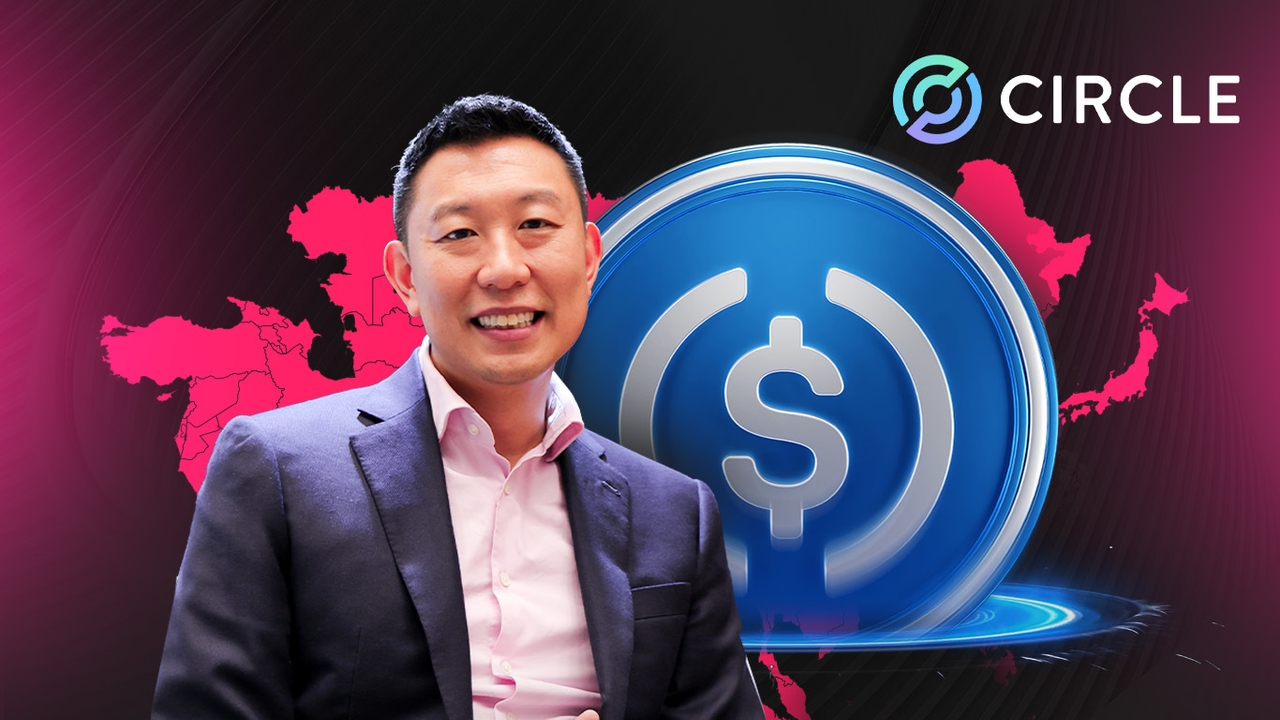
Thairath Moneyhad the opportunity for an exclusive interview with Yam Ki Chan, Vice President of Strategy and Policy for Circle in the Asia-Pacific region, a former White House and U.S. Treasury official who has transitioned to driving digital finance innovation. The interview took place at Money 20/20 Asia 2026, focusing on the global direction of USDC Stablecoin and Circle’s vision that regards Thailand as a strategic priority.

Looking back a few years, Stablecoins were mostly associated with crypto exchanges as a safe haven during market volatility. Today, Circle’s strategy is undergoing a complete transformation, especially in Asia, known as “The World's Factory,” where delays of even a few hours in capital movement can mean significant lost business opportunities.
Yam Ki Chan analyzes that while the West views Stablecoins as capital market tools, in Asia, delays in traditional financial systems translate into huge costs for real businesses. Therefore, in many countries that accept Stablecoins, their use extends beyond crypto trading to cross-border payments, corporate treasury management, and international remittances.
“In traditional systems, money often gets stuck in pipelines, affected by holidays and banking hours. With USDC, businesses in Asia can immediately pay for raw materials or receive funds from global clients 24/7, improving liquidity and reducing locked capital. This shifts the game from speculation to real economic use,” Yam Ki Chan told Thairath Money.
USDC is a Stablecoin pegged 1:1 to the U.S. dollar. It currently ranks as the second most liquid and popular Stablecoin after Tether’s USDT. However, USDC is more widely recognized for transparency and proper regulation, such as Europe’s MiCA law, the U.S. GENIUS Act, and Thailand’s SEC approval for digital asset trading.
Yam Ki Chan with his experience at the White House and U.S. Treasury, offers an insightful view that “regulators face the toughest challenge because Stablecoins are financial innovations intersecting multiple dimensions.”
In Thailand, the Securities and Exchange Commission (SEC) permits Stablecoins to be traded in the digital asset market, while the Bank of Thailand focuses on financial stability, payment systems, and the emergence of programmable money that must be secure and stable.
Yam Ki Chan believes that overlapping regulatory authority is normal for new disruptive technologies, but the key is to create space for joint experimentation through sandbox systems to find the best balance for advancing the digital economy without undermining national financial stability.

When asked about marketing in Thailand, where regulations are less settled compared to Singapore, Hong Kong, or Japan, Circle emphasized that Thailand remains a top priority for powerful economic reasons, including
Additionally, Yam Ki Chan concluded, “Circle is ready to engage and work under various sandboxes or regulatory regimes, collaborating with local companies to drive real adoption and find common ground with regulators to accelerate the use of digital money for Thailand’s economic growth.”
Regarding figures, approximately $78 billion USDC circulates in the ecosystem. In Q4 2025 alone, USDC blockchain transactions reached nearly $12 trillion, marking a nearly 250% growth compared to the same period the previous year.
Follow the Facebook page Thairath Money at this link -https://www.facebook.com/ThairathMoney