

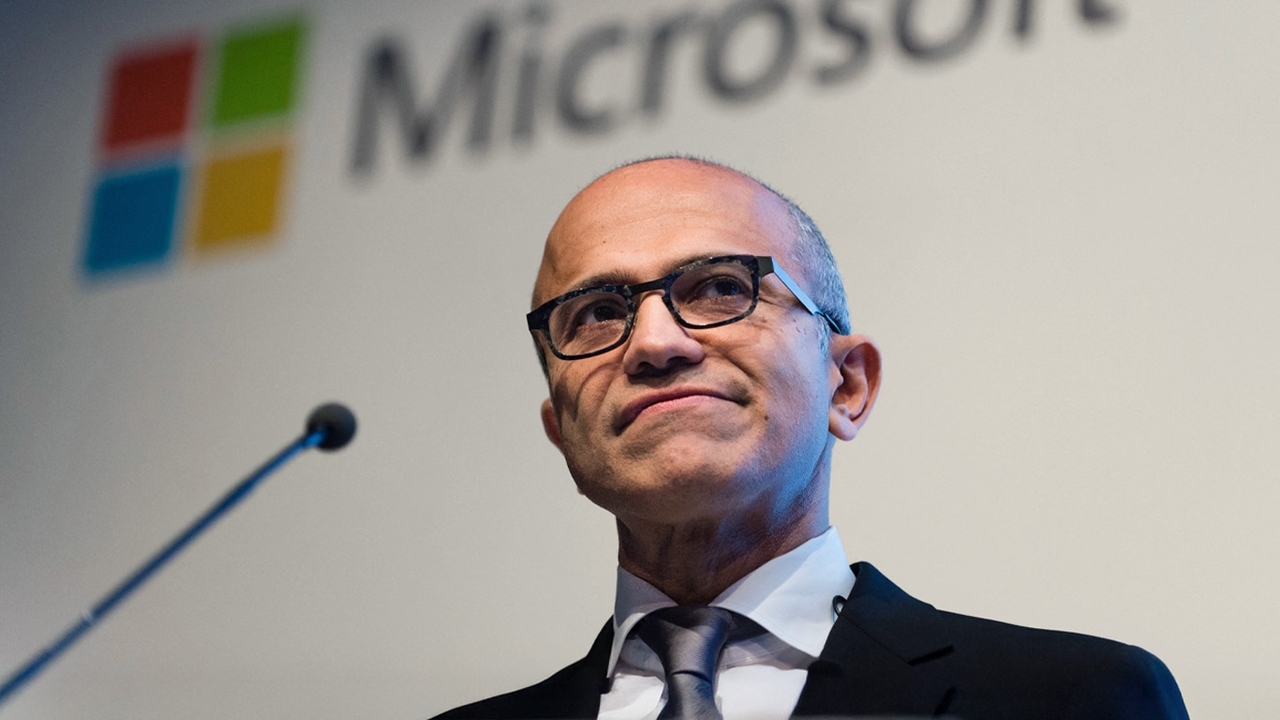
Microsoft shares faced their steepest sell-off in nearly five years after the latest earnings report failed to reassure the market. The stock price fell almost 10% in one day, marking the sharpest decline since March 2020, reducing the company’s market capitalization by $357 billion or about 11 trillion baht to approximately $3.22 trillion. This occurred amid investor concerns over cloud business growth and rapidly increasing AI investment costs.
For the second quarter of fiscal year 2026, ended 31 December 2025, compared to the same period last year, Microsoft reported total revenue of $81.3 billion, up 17%, and net income (GAAP) of $38.5 billion, up 60%. Adjusted earnings per share (GAAP) were $5.16, a 60% increase.
Although Microsoft reported that its primary revenue source remained the Intelligent Cloud segment, which rose 29% to $32.9 billion, Azure revenue grew 39%. However, these figures fell short of market expectations and indicated a slowdown compared to the record-level investments in AI infrastructure and data centers.
Meanwhile, the company revealed that capital expenditures (CapEx) in the latest quarter surged to $37.5 billion, a nearly 66% increase from the previous year. About two-thirds of this was spent on processing chips, exceeding analysts’ forecasts and heightening concerns about costs rising faster than revenue.
. Amy Hood, Microsoft’s Chief Financial Officer, acknowledged that data center production capacity had been heavily allocated to the company’s internal needs, especially AI workloads, which may have held back Azure’s growth potential.
Some analysts view Microsoft as facing significant operational challenges, particularly in the speed of expanding data centers. Others question the actual returns on massive AI investments and whether reserving resources for products like Microsoft 365 Copilot is worthwhile, given the business adoption remains unclear.
. Satya Nadella, Microsoft’s CEO, emphasized that AI is still in its early stages and current investments are laying a long-term foundation. However, investor patience is waning, especially as total revenue rose 17% while costs increased 19% in the same quarter.
The sell-off in Microsoft shares also broadly affected the technology sector, with the iShares Expanded Tech-Software Sector ETF dropping 5%, and the Nasdaq Composite closing down 0.7%, reflecting market caution about big tech’s AI spending.
For Microsoft, losing over $357 billion in market value in a single day is not just a stock price correction but highlights a key Wall Street question since the start of the year: whether the hundreds of billions invested in AI will translate into growth and profits fast enough to satisfy investors.
However, the overall tech sector did not decline uniformly, as Meta shares surged over 10% following its latest earnings report and strong revenue outlook, underscoring the contrast between companies that have demonstrated returns and those still needing to justify their investments.
Follow the Facebook page: Thairath Money at this link -