

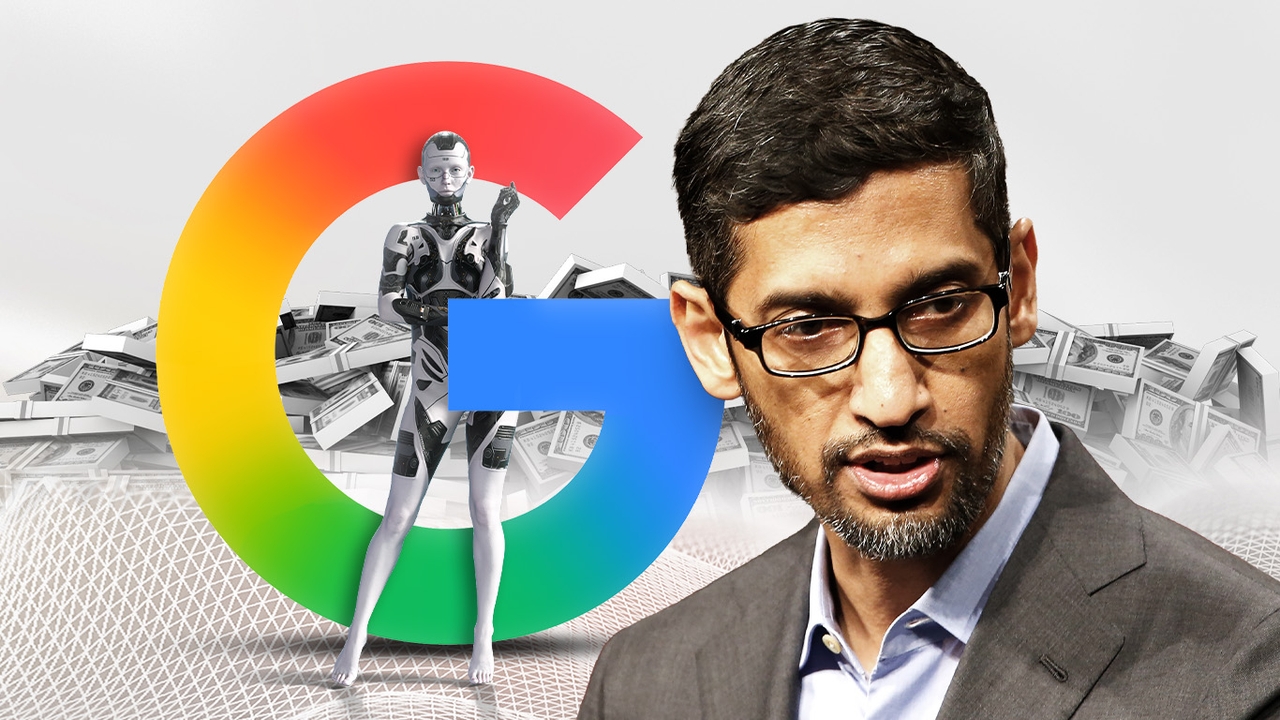
Alphabet Inc., Google's parent company, is preparing to issue an exceptionally long 100-year bond, a deal extremely rare in the private sector and the first such tech bond since the late 1990s. This move aims to raise capital to support massive investments in artificial intelligence (AI) amid global Big Tech competition.
Sources close to the matter revealed that Alphabet plans to raise approximately $20 billion through issuing bonds in four tranches, including a 100-year sterling-denominated bond. The offering has attracted overwhelming investor interest, with subscriptions exceeding five times the amount offered. Bloomberg was the first to report this fundraising, initially expected to be around $15 billion.
The last time a tech company issued a 100-year bond was in 1997, when Motorola did so. Typically, 100-year bonds are issued by governments, universities, or large institutions due to the risks private companies face from mergers, outdated business models, or technological disruption. These risks make such long-term debt issuance almost nonexistent in the private sector. However, the urgent need for massive capital to develop AI is driving these rare deals to reemerge.
Analysts believe the primary buyers of 100-year bonds will be pension funds and insurance companies, especially in the UK, where there is strong demand for long-term assets. This makes the sterling market a key fundraising source for issuers seeking long-duration funding.
"Alphabet aims to reach all types of investors, from structured finance investors to those with multi-decade horizons," said Gordon Kerr, European economic strategist at KBRA. He also noted that those underwriting the bonds today may not be the same investors holding them until maturity.
Historically, aside from governments, only a few organizations such as Electricité de France, the University of Oxford, and the Wellcome Trust issued 100-year sterling bonds, all in 2021 when bond yields were at historically low levels. Such long-term bonds are highly sensitive to interest rate changes and see sharp price declines when yields rise.
However, past cases show that 100-year bonds are not always safe; for example, J.C. Penney filed for bankruptcy in 2020, just 23 years after issuing similar bonds.
Analysts view Alphabet's issuance of these ultra-long bonds as a sign of confidence in AI's long-term prospects, while simultaneously acknowledging the increased costs and risks from such significant investments.
In its annual report filed with the U.S. Securities and Exchange Commission (SEC), Alphabet states that to meet processing demands for training and deploying AI models, along with cloud services, it must lease extensive infrastructure from external providers. This may increase both costs and operational complexity. Large commercial contracts could also heighten debt and risk if contracts are breached by the company, partners, or vendors.
One indicator of the investment scale is Alphabet's capital expenditure (Capex) estimate for this year, which could reach up to $185 billion—more than double the Capex planned for 2025.
Previously, Alphabet issued $25 billion in bonds in November, raising its long-term debt to $46.5 billion by 2025, a fourfold increase. CFO Anat Ashkenazi stated the company aims to invest in AI cautiously to maintain strong long-term financial health.
CEO Sundar Pichai said the biggest current challenge is "computing power," encompassing energy, land, and supply chain constraints, as the company accelerates infrastructure expansion to meet rapidly growing AI demands.
Amid accelerated investment, Alphabet also acknowledges that the rise of generative AI could change user behavior, reduce reliance on search engines, and impact its core advertising revenue. This risk was noted for the first time in the financial report's risk section.
"There is no guarantee that we will adapt effectively or that new advertising models will succeed competitively," the report states.
Despite these concerns, Google currently maintains advertising business growth, with Q4 advertising revenue rising 13.5% year-over-year to $82.28 billion.