

Since its launch in November 2025, OpenClaw, an automated AI assistant, quickly gained global popularity, especially in China, sparking an “OpenClaw fever” among students, workers, and the elderly alike, who began experimenting with the tool and creating numerous new products.
This trend has sparked mixed reactions: some are excited and heavily promoting its use, believing it will position China as a leader in the era of Agentic AI, with the Chinese government continuously increasing funding for AI development. On the other hand, concerns have emerged due to intense competition pressuring workers to produce products rapidly, and as usage expands widely, the government has started issuing warnings about its use in sensitive sectors like banking and defense.
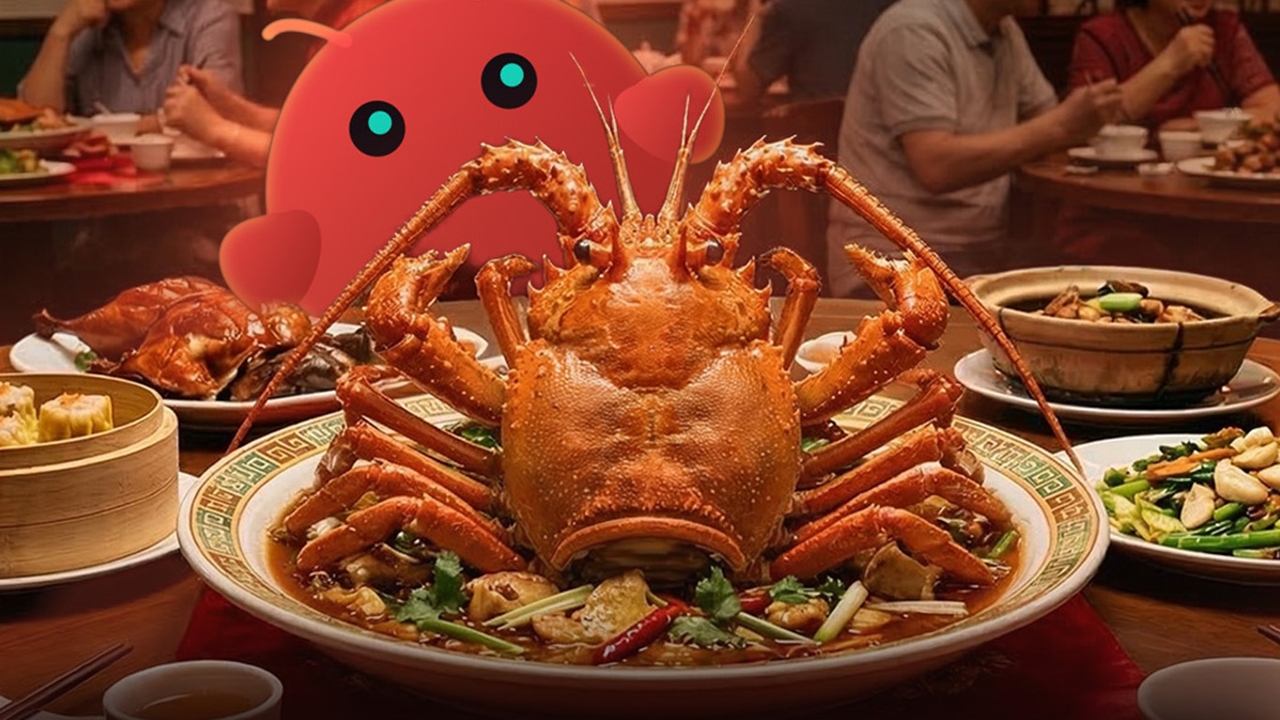
OpenClaw’s launch ignited great excitement in China, leading users to commonly say: “Raising lobsters.” This phrase originates from the system’s logo. People have widely adopted OpenClaw, with the craze spreading from specialized tech groups to the general public within just a week.
Using OpenClaw allows users to access various services from major Chinese tech firms, such as social media post writing tools, financial analysis, or even website creation. Users can easily try OpenClaw by registering an online account.
In the past week, several cities in China, including Hangzhou, Guangzhou, and Shenzhen, have hosted OpenClaw meetups with 200-300 participants each, ranging from engineers and investors to students and business owners. Additional events are planned soon in Beijing and Shanghai.
OpenClaw’s popularity has made the Chinese government increasingly aware of AI Agents’ technological competition with the United States. While many US tech companies are developing AI Agents, they have yet to build user bases growing as rapidly as China’s.
Some investors view this phenomenon as a key milestone in China’s AI development. Previously, DeepSeek marked a turning point that revalued Chinese tech stocks, as domestic firms overcame processing power limitations. OpenClaw may signal a different kind of turning point.
That is, although Chinese companies do not own the world’s most powerful AI language models, they can still compete in applications and AI development by creating more efficient agent management systems.
The widespread use of OpenClaw across China has also impacted workers in various ways, according toBloomberg.Cindy Weng, a 35-year-old product manager at a large financial company in Shenzhen, said, “Since OpenClaw arrived, everything has become a crazier competition.”
“We are under such pressure to work hard it’s nearly suffocating,” she added. This pressure arose when the company organized a competition for employees to demonstrate their AI skills using OpenClaw. Originally scheduled on a holiday, the event was postponed due to employee dissatisfaction.
However, work pressure did not ease. The company warned employees they could be replaced or fired immediately if they refused to use AI as required.
Beyond the competitive pressure on workers, commercially it remains unclear whether OpenClaw will bring major change or just be a temporary fad. The answer likely depends on how quickly Chinese AI companies can monetize these services and address cybersecurity regulatory concerns.
Although the Chinese government is heavily funding AI development and promoting open-source projects including OpenClaw, these open-source tools carry security risks. Last week, the government issued warnings to state agencies and companies about using OpenClaw, restricting its use in sensitive sectors like banking and defense, and banning it on government computers.
OpenClaw requires broad access to personal data and external system connectivity, which could expose cybersecurity vulnerabilities. Some technology scholars have advised that the Chinese government should not support OpenClaw as fully as it did DeepSeek.
The OpenClaw trend has inspired rapid launches of many AI Agents. Major Chinese tech companies have introduced their own versions, such as Zhipu’s AutoClaw, Tencent’s QClaw, Baidu’s DuClaw, ByteDance’s ArkClaw, and MiniMax’s MaxClaw, pushing the market value of Chinese tech stocks up by over $100 billion.
Shares of Minimax, a token provider for agent systems, surged over 30% in one week and rose 550% within two months after going public, surpassing the market value of other major tech firms.
An AI cloud businessperson noted that global tensions are driving countries and companies to seek new engines for growth, and when something promising emerges—like AI Agents—expectations rise sharply.
However, this rapid increase in value may be inflated. OpenClaw’s true worth lies in opening new experimental spaces for the industry and enabling people to develop advanced technologies, but the path to commercial profitability will take time.
Source:Bloomberg
Follow the Facebook page: Thairath Money at this link -https://www.facebook.com/ThairathMoney