

The U.S. stock market appears to be adopting a new term to replace “FAANG.” This name comes from the initials of a group of major tech stocks that symbolized the U.S. stock market throughout the past decade.
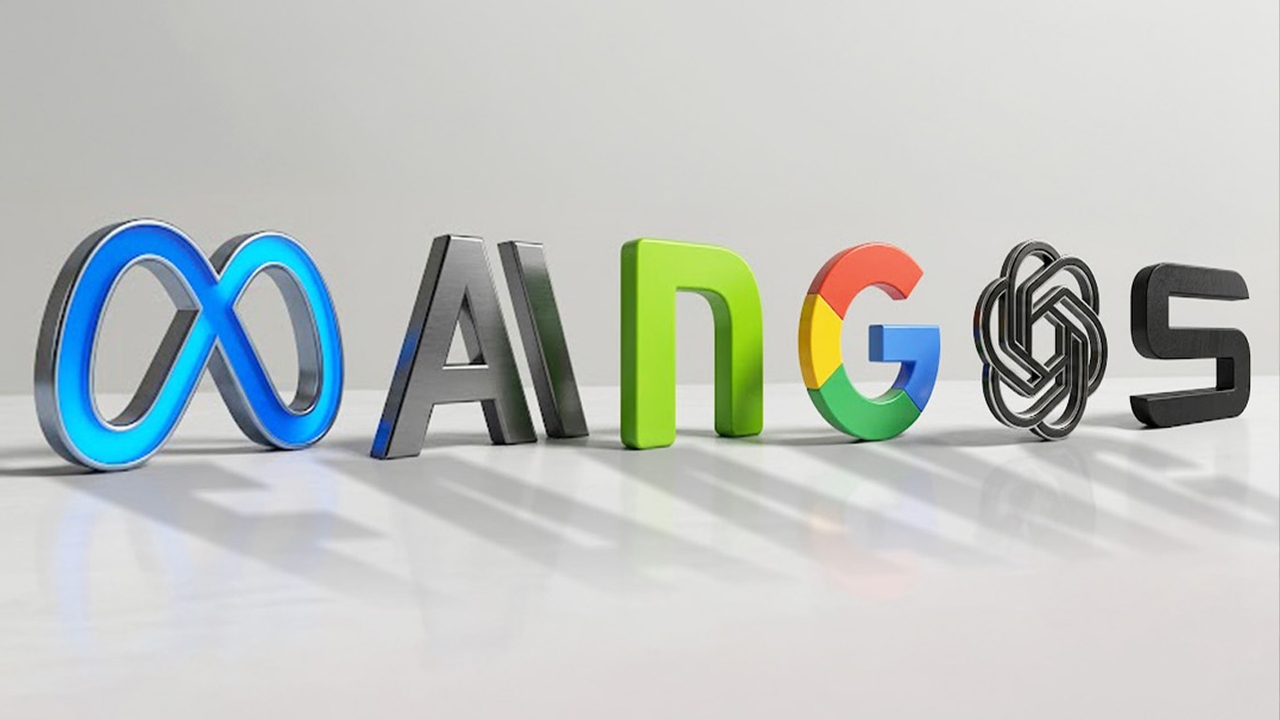
Following the era of Facebook (now Meta), Amazon, Apple, Netflix, and Google (now Alphabet) which long dominated the market, investment trends in 2026 are increasingly focusing on AI and space technology companies, leading to a new label for prominent companies called “MANGOS.”
Currently, the term MANGOS is gaining popularity on social media after Krishna B., an AI engineer, posted logos of these companies on platform X, sparking viral interest among investors and tech industry followers.
MANGOS comprises companies regarded as leaders in AI technology, namely:
At their core, these companies own the “AI infrastructure layer,” distinguishing them from FAANG, which grew during the internet and smartphone era—highlighting a true transition into the AI age.

The term FAANG was coined in 2013 and popularized by CNBC host Jim Cramer to describe the tech companies driving the U.S. stock market from 2014 to 2019. The combined value of FAANG grew about 178%, compared to the S&P 500's roughly 46% increase.
FAANG’s share of the S&P 500 rose from 7.4% to 14.4% in just five years; at times, FAANG accounted for nearly 20% of the S&P 500’s market cap and heavily influenced Nasdaq’s direction. Simply put, when FAANG rose, the market followed; when it fell, global investors often suffered losses.
FAANG also symbolized the Mobile Internet era or smartphone age, where these companies dominated user engagement across social media, e-commerce, streaming, and digital advertising.
After the COVID era, Bank of America strategist Michael Hartnett introduced the term “Magnificent Seven” or the “7 Angels,” referring to seven tech stocks driving the S&P 500: Apple, Microsoft, Nvidia, Alphabet, Amazon, Meta, and Tesla.
In 2026, many investors believe AI has become the world’s most critical investment theme. Trillions of U.S. dollars are flowing back into upstream infrastructure, as AI is seen as a foundational technology for the global economy, akin to electricity and the internet.
This has elevated names like OpenAI, Anthropic, and SpaceX to the forefront, replacing some traditional tech companies in the leadership group. Meanwhile, the old narratives of the FAANG era no longer attract investors as before; many funds are reducing speculative assets to increase exposure to AI infrastructure themes.
Besides the rapid growth of its six member companies, the upcoming IPO wave of frontier AI firms, led by OpenAI, Anthropic, and SpaceX, which have already filed to go public, is generating excitement among investors worldwide.
This marks the first time everyone has the opportunity to directly invest in “AI leaders” for the first time in history. Previously, individual investors wanting to invest in OpenAI or Anthropic had to be venture capitalists, sovereign wealth funds, or large private funds, or buy shares in related tech companies like Nvidia, Microsoft, Alphabet, and Amazon. After this IPO wave, retail investors will be able to directly purchase shares in the owners of AI models.
Many investors believe that if these companies sustain growth, MANGOS could become the group that shapes the global economy in the next decade, similar to how FAANG did in the internet age.
However, despite MANGOS' rising prominence, this does not mean FAANG will lose all significance. Amazon remains a leader in e-commerce and cloud computing; Netflix is still a major global streaming player; and Meta and Google continue fierce competition in AI agent development and advanced chip innovation, building on their AI business models over the past three years.
What makes this transition different from previous ones is not only users moving into the AI world, but also trillions of dollars of investment from governments, institutional funds, tech companies, and retail investors moving in the same direction.
To investors, MANGOS is more than just a new acronym; it reflects a shift in the world's investment center from valuing winners of the internet and platform era to the winners of the full AI infrastructure age.
Source information TechCrunch, , Yahoo Finance, ,Business Insider
Follow the Facebook page: Thairath Money at the link -