

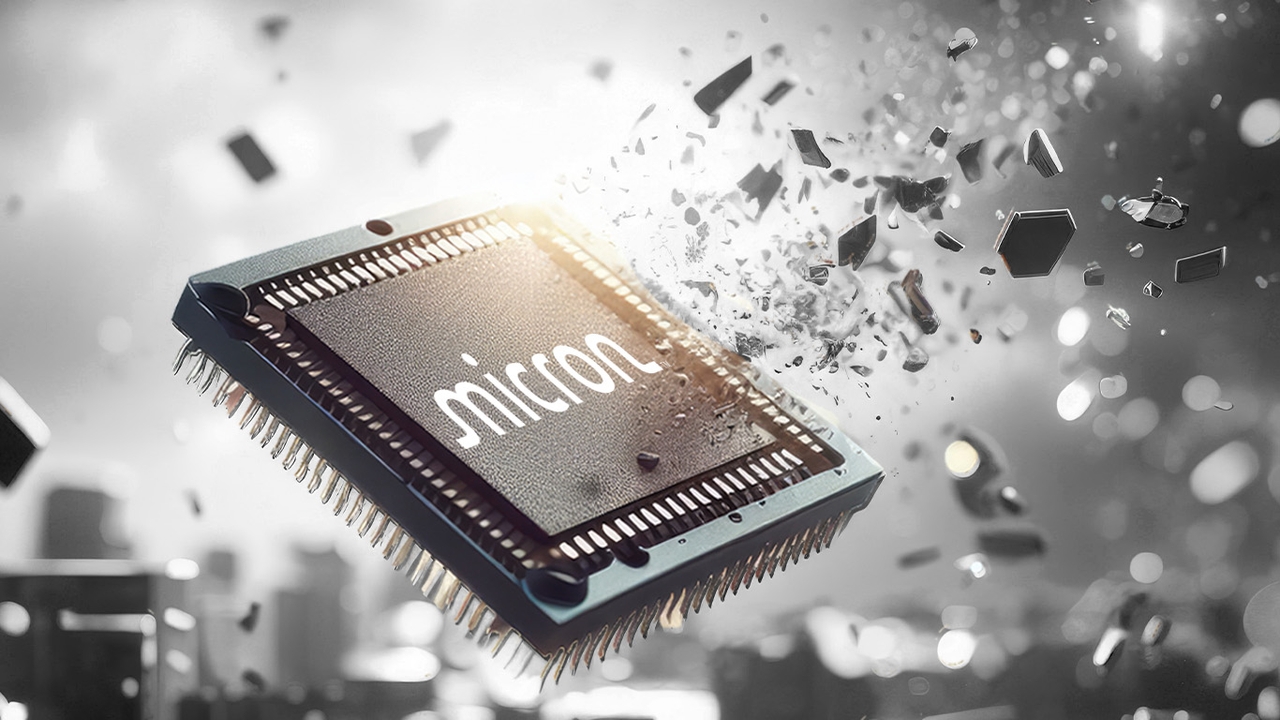
Last week, Apple clearly announced it would raise prices on Mac and iPad products due to the memory chip crisis. Similarly, Microsoft plans to increase Xbox product prices as it faces higher costs.
The main cause of this crisis is a global shortage of memory chips, leading to massive price hikes, compounded by the booming AI industry requiring large amounts of these chips for advanced processing systems.
Micron revealed that the average selling price of DRAM in the third quarter rose over 260% compared to the previous year. Sumit Sadana, Micron's Business Chief, stated the company has secured long-term supply contracts with multiple smartphone and computer manufacturers.
He said, “We have spent considerable time planning how to manage the business, supply, and allocation of limited memory resources to customers, industries, and regions as carefully, responsibly, and fairly as possible.”
Micron's quarterly financial report released Wednesday showed revenue increased more than fourfold year-on-year, gross margin rose from 39% to nearly 85%, and the stock jumped 16% immediately after the announcement.
Meanwhile, over the past year, Micron's share price has soared about 800%, mirroring trends of major memory producers SK Hynix and Samsung in the Korean market.
Just one day after Micron's earnings report, Apple announced price increases for several products including iPad and Mac, stating in a release, “We have never seen component prices rise this rapidly and intensely before.”
Earlier, Apple CEO Tim Cook told the Wall Street Journal the company needed to raise prices, comparing the current memory situation to a "hundred-year flood"—a once-in-a-century event.
Shortly after Apple's announcement, Microsoft raised the price of the Xbox Series S by another $100, bringing the price to about $500.
Microsoft explained that gaming consoles typically sell below production cost, noting memory and storage costs for the console have increased more than 2.5 times and are expected to double again by 2027.
Microsoft added, “The entire consumer electronics industry is facing this component crisis, but the impact on gaming console businesses is particularly severe.”
While tech giants with vast cash reserves, strong supplier leverage, and millions of global customers face unprecedented challenges, smaller electronics manufacturers are under intense pressure.
Mono Technologies, a small router maker, is heavily impacted. Previously, Mono produced over 1,000 flagship routers priced at $600 each, targeting networking enthusiasts seeking better internet speed and performance.
Due to the memory chip crisis, production costs have surged. Co-founder Tomaž Zaman admitted uncertainty about continuing production for the next batch, despite having over 1,300 customers who paid $100 deposits each awaiting new products.
Zaman noted Micron's 8GB DRAM, a key component, was about $35 when development began but now costs $300. For a three-person company like Mono, this change is a huge burden.
The company is weighing whether to proceed with a new batch requiring at least a 33% price increase or to launch a new model with 75% less memory to reduce costs.
"Even routers like ours, if priced between $900 and $1,000, become hardly worthwhile, but we have few options other than raising prices or cutting specs to just what's necessary," Zaman said.
Another heavily impacted company is W5 Technologies, a communications equipment maker for defense contractors, facing sharp RAM cost increases and unusually long delivery times.
Earlier this year, the company ordered servers from a major manufacturer for satellite communication simulators, intending May delivery, with the servers priced at $8,839.
Soon after, prices nearly doubled, now close to $15,000, with delivery uncertain. In 2020, the same server cost only $5,373.
Impacts are becoming clearer as GoPro, the well-known action camera maker already struggling, revealed this month it might cease operations if memory costs keep rising.
The company stated memory prices increased another 80-115% since late Q1 this year.
Nabila Popal, an IDC analyst, said the current situation is a true survival crisis, especially for small Android smartphone makers or local producers selling devices under $100, who cannot secure memory supplies as RAM manufacturers prioritize major clients.
Source:CNBC
Follow the Facebook page: Thairath Money at this link -https://www.facebook.com/ThairathMoney