

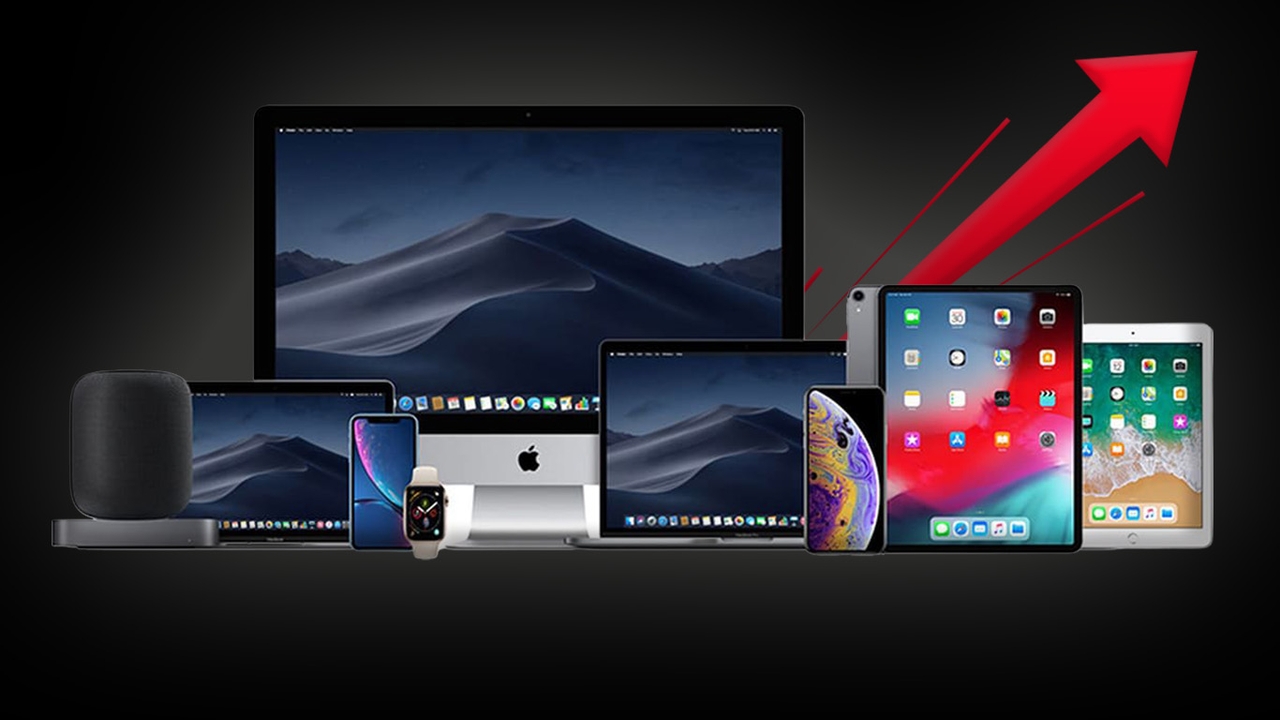
The current AI trend is continuously driving up demand for processing chips, shaking the global electronics industry. The rapid increase in demand for DRAM and HBM memory chips for AI Data Centers has led to supply shortages and caused memory chip prices to soar to unprecedented levels.
The impact has reached consumers, with Apple and Microsoft announcing price increases on several products last week to offset rising component costs. However, for smaller electronics manufacturers, the situation is even more severe.
Several international news agencies have reported that U.S. IT and electronics manufacturers are struggling with hardware costs that have become unsustainable. Many face continuously rising high-end memory chip prices, with some models increasing nearly tenfold within a few months.
Nabila Popal, an analyst from IDC, stated that smaller electronics manufacturers, especially Android smartphone makers and devices priced under $100, are facing a survival crisis. She added that memory chip producers are prioritizing production capacity for their largest customers first, leaving smaller manufacturers with almost no access to chips, even if they are willing to pay higher prices.
The impact is clearly visible in several companies, led by Apple, which compared the current memory chip situation to a “once-in-a-century flood.” Apple has raised prices on many Mac and iPad models. Meanwhile, Microsoft announced a $100 price increase for the Xbox Series S, explaining that memory and storage costs for the console have risen more than 2.5 times, with expectations to double again by 2027. They concluded that this crisis is affecting the entire electronics industry.
Read more

Other companies like GoPro have warned investors that they might not be able to continue operations after memory chip costs increased 80-115% by the end of Q1.
Sonos, a smart speaker manufacturer, has seen its stock fall 23% this year due to cost pressures impacting profit margins. Additionally, sectors from telecommunications and medical devices to retail are expressing concerns about chip shortages and rising costs.
Despite Apple and Microsoft still having bargaining power with suppliers and being able to pass costs to consumers, the situation is very different for smaller manufacturers.
As memory chip production capacity is allocated to large buyers with massive orders, smaller companies face soaring costs, longer delivery times, and uncertainty in sourcing parts. This emerging crisis may prove a critical test of which electronics manufacturers can survive as global AI demand fiercely competes for essential memory chips.
Source information CNBC , Reuters , Business Insider
Follow the Thairath Money Facebook page at this link -