

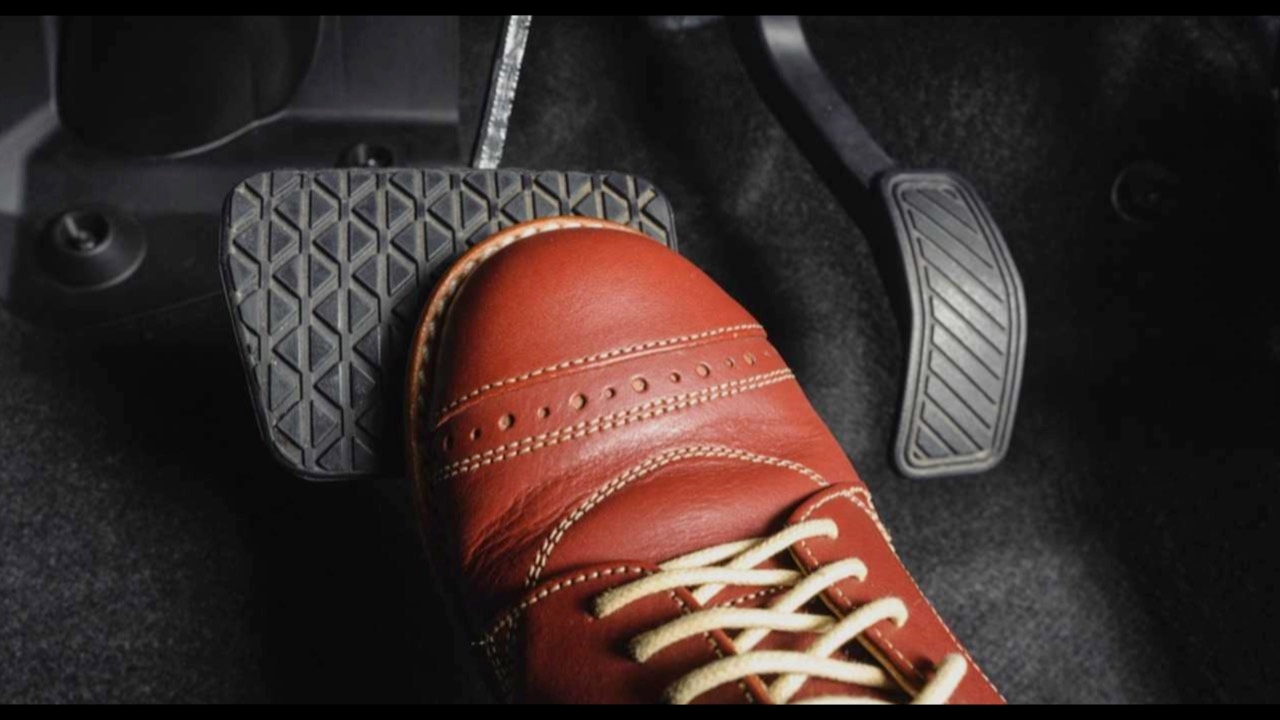
Thinking distance and braking distance vary inversely depending on factors that cause them to increase or decrease, such as the speed used, tire condition, road surface, and weather. However, modifying these distances through driving experience or adopting a safety-focused driving perspective directly impacts your ability to stop your vehicle promptly. A lapse in concentration while driving, alcohol consumption, or drug use often leads to delayed braking. Physical and mental readiness before driving significantly influences your thinking and decision-making.

Drivers who maintain focus on the road ahead can make decisions faster than those who are distracted, fatigued, intoxicated, under the influence of drugs, or emotionally unsettled. Various stimuli can constantly disrupt concentration. It is important to be in a normal physical state before sitting behind the wheel, avoid drinking or using substances that cause impairment, and clear any negative emotions before driving. If unable to do so, one should not drive at all.

Braking distance is part of the overall stopping distance while driving. It is not necessary to brake constantly whenever you see something, as this may introduce risky variables on the road. Safe braking involves analyzing and gathering information to predict what will happen and how to handle the situation in front of you, rather than impulsively reacting and gambling that braking will be sufficient if something cuts in front of you. The moment your brain processes and commands you to brake is a fraction of a second lost to decision-making, during which you lose half of the safe braking distance. The faster you drive, the greater this lost distance becomes.

Driving at high speeds reduces the time and distance available for thinking and distinguishing hazards. Speed hinders thinking distance: given the same reaction time but different speeds, thinking distances differ. For example, at 100 kilometers per hour, a decision time of 0.75 seconds results in losing about 20 meters of braking distance. At 60 kilometers per hour with the same decision time, you lose only about 12 meters—a difference of 8 meters, which can mean life or death.


A vehicle's stopping distance includes the response distance (the distance the vehicle travels before braking) and the braking distance (the distance traveled while braking). Tests show that the average driver response time is about 0.75 to 1 second, but this varies with distractions, alcohol or drug use, and speed. Higher speeds significantly increase both response and braking distances, requiring more space to stop safely—especially on wet roads.

Important variables
Response time/distance: The time from seeing a hazard to pressing the brake (averaging about 0.75 to 1 second), combined with the distance traveled during that time, which increases greatly with speed.
Braking distance: The distance from pressing the brake until the vehicle stops, affected by speed (which increases it exponentially) and road conditions (reduced traction leads to longer distances).
Total stopping distance: Response distance plus braking distance.
Example distances (on dry pavement)
At about 48 kilometers per hour: response distance approximately 13 meters plus braking distance approximately 14 meters equals a total stopping distance of about 27 meters.
At about 96 kilometers per hour: response distance approximately 27 meters plus braking distance approximately 55 meters equals a total stopping distance of about 82 meters.
At about 113 kilometers per hour: response distance approximately 31 meters plus braking distance approximately 75 meters equals a total stopping distance of about 106 meters.
Factors affecting stopping distance
Speed: The most important factor. Doubling speed increases braking distance by four times.
Driver condition: Fatigue, distractions (such as phone use), intoxication (alcohol/drugs), all slow reaction time.
Vehicle condition: Worn brake pads and tires reduce stopping effectiveness.
Road conditions: Wet roads, ice, or gravel reduce traction, extending braking distances.

A recipe for negligence for drivers who disregard safety. Many drivers mistakenly believe braking distance and stopping distance are the same. This misunderstanding leads to brake failure cases causing severe accidents, sometimes resulting in serious injury, disability, or death. Misconceptions about braking distance cause delayed braking and failure to stop, endangering the driver and their family. The key issue is not how long the braking distance is, but how quickly you can stop your vehicle safely when driving.