

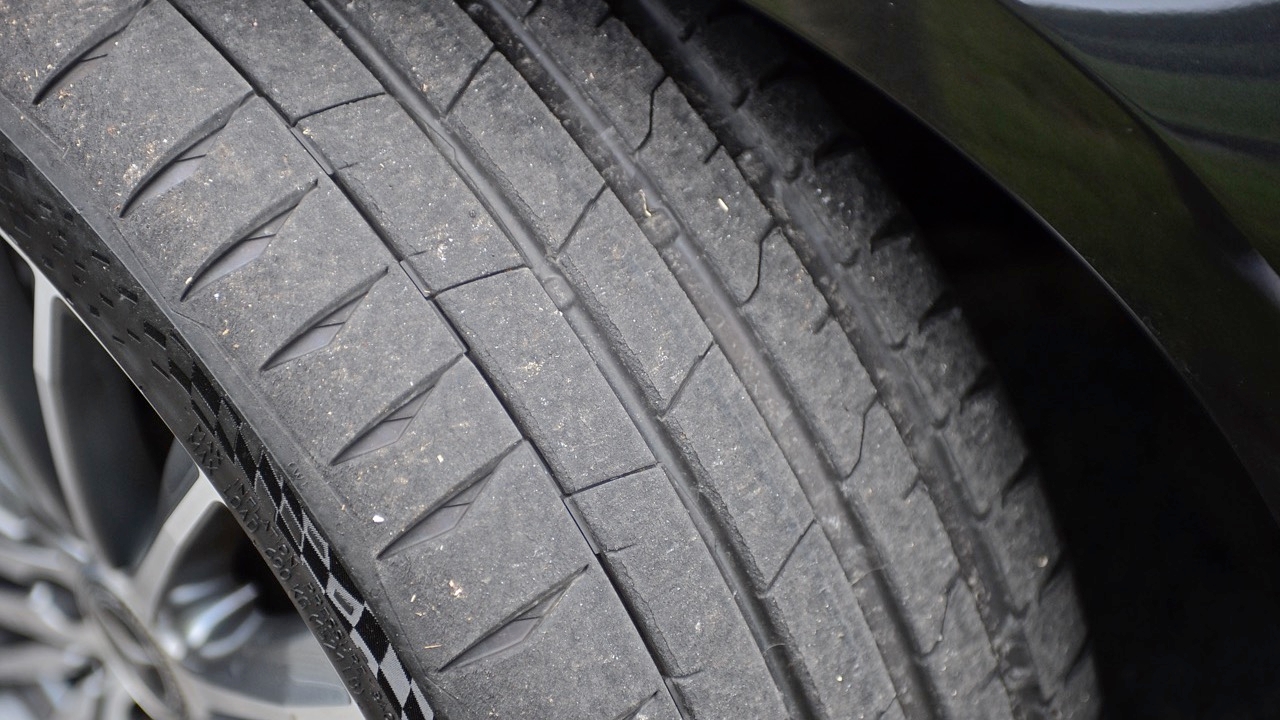
Tire wear means the gradual loss of tread as the tire is used over time. The tread, which grips the road, is designed to wear down slowly, but various factors can speed up this wear, such as driving habits, road conditions, weather, temperature, tire maintenance, and wheel alignment issues.

After using car tires for a while, they gradually deteriorate until they reach their expiration. This means replacing tires to ensure safety, maintaining both grip and braking performance. How can one tell if a tire is deteriorating and needs to be replaced?
Tire wear results from multiple factors, including improper tire pressure, misaligned wheels, aggressive driving, neglecting tire rotation, and overloading. Low tire pressure can cause edge wear, while excessive pressure leads to faster wear in the tire's center tread.
Common types of tire wear include
Even wear is normal when wheel alignment and angles are correct. The tread wears evenly across the tire, indicating proper care, correct inflation, and proper wheel alignment.
Center wear
Occurs when the center of the tread wears faster than the edges, often caused by overinflation, making the tire bulge in the middle and reducing the contact area with the road.
Edge wear
Also called shoulder wear, this happens when the edges wear faster than the center, usually due to underinflation, causing the tire to collapse and the edges to contact the road more.
Spotty wear
This irregular wear pattern shows high and low spots around the tire and may be due to issues such as misaligned wheels, unbalanced tires, or worn suspension components.
Scalloped wear
Occurs when tread grooves develop a sawtooth pattern, typically a sign of incorrect wheel alignment or worn suspension parts.

To identify expired tires, check the tread grooves. Tires with shallow grooves or little remaining tread increase driving risks, such as loss of control, poor braking, slipping, or skidding that could lead off the road. Observe the small tread bridges between grooves, marked on the tire sidewall, which are about 1.6 millimeters high. If the tread wears down to these bridges, the tire should not be used any longer. Replace tires promptly, especially before long holiday trips at year-end.

Many tire models, especially from Bridgestone, are very durable. Their structure and additives mean that even when the rubber compound has degraded, the tread may show little wear, leading owners to mistakenly think the tire is still usable. In fact, if pressing a fingernail on the tread feels hard and brittle, the tire is dead or expired. Although the tread may appear full, the rubber's grip and braking performance have diminished due to aging.
For normal driving, tires should not be used beyond 45,000 to 50,000 kilometers. Newer tires often advertise special rubber formulas that can extend life by about 20,000 kilometers. Remember, Thailand's hot climate and typical roads cause tire wear without owners realizing it, especially when carrying heavy loads, driving fast, having improper air pressure, or frequent hard braking.

Aggressive driving styles—such as motorsport enthusiasts or speed-focused drivers who often accelerate suddenly and brake hard—can wear tires faster. Smooth driving with steady acceleration, avoiding abrupt moves, and maintaining safe distances to reduce excessive braking help extend tire life. Changing driving behavior can greatly prolong tire longevity.

Thailand's climate greatly affects tire life, especially when switching from the very hot summer to cooler winter. High daytime temperatures can soften tires, speeding up wear.
Sudden changes in outside temperature affect tire pressure. Check tire pressure regularly. If the tire pressure monitoring system indicates low pressure, promptly inspect, inflate tires, and reset the system. Inflate tires to the PSI level specified by the vehicle manufacturer, usually indicated on a sticker inside the driver's door or in the owner's manual.

If you notice cracks, bulges, or tears on the tire sidewall or tread, it's time to replace the tire. Such damage weakens the tire's structure and could lead to a blowout.
Uneven wear
Clearly uneven wear patterns indicate wheel alignment, suspension, or tire pressure issues that need correction. The best approach is to replace the tires and address the root causes to prevent further wear.
Tires should be replaced every 6 years. They degrade over time, and old or expired tires become brittle and prone to damage.