

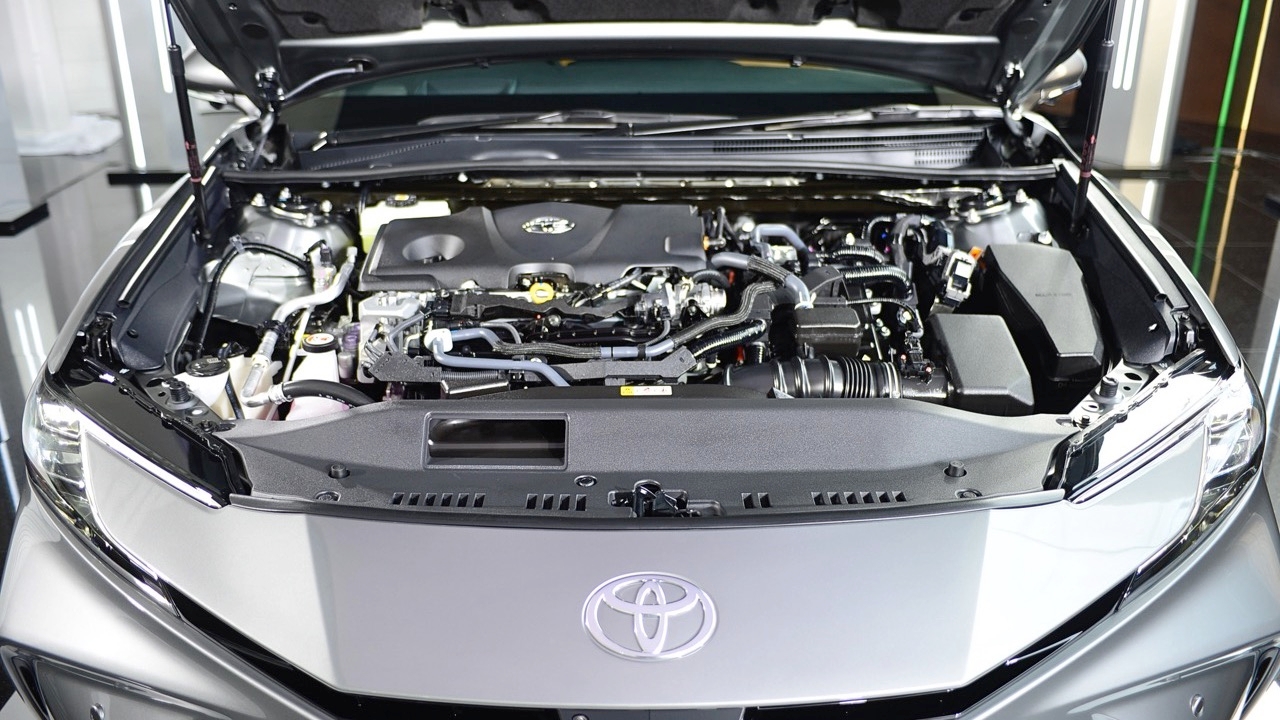
Car maintenance involves various methods, often leading to questions or doubts about why certain checks and regular replacements are necessary, as well as the importance of essential items to keep in the car. These ten frequently asked questions about car care explain why these practices are important, allowing you to understand the benefits of each component and learn the correct maintenance principles. This results in your beloved car performing efficiently, running smoothly, and remaining safe at all times.


1. Regularly check the spark plugs.
Spark plugs serve to ignite the engine by releasing high-voltage electrical currents, making them a crucial mechanism in gasoline engines. They should be regularly inspected. Typically, spark plugs have a long service life; some vehicles can run over 100,000 kilometers before any abnormal signs appear. Still, it is advisable to check them to maintain engine performance.
Signs that spark plugs are nearing the end of their lifespan include increased fuel consumption, slower acceleration when overtaking, and engine RPM fluctuations or vibrations due to incomplete ignition. Since spark plugs are installed inside the engine, their inspection should be performed by skilled technicians. You should have them checked if you notice such abnormal symptoms.


2. Change the air conditioner filter regularly.
The air conditioner filter, or simply the "AC filter," plays a key role amid today's air pollution and fine dust particles. It helps ensure that drivers and passengers receive clean, healthy air inside the vehicle. It is recommended to replace the filter regularly whenever you change the engine oil.


3. Wash your car frequently.
Taking care of your car's exterior by regularly washing and cleaning it helps keep the vehicle looking new, prevents color fading and rust, and reflects the owner's attentiveness. Additionally, a well-maintained exterior helps maintain resale value compared to cars neglected in their appearance.
Moreover, driving through dusty areas or parking near the sea can cause salt deposits to accumulate under the car, risking engine damage. Dead insects and bird droppings can cause stains, dullness, and corrosion of the car's paint and rubber trims. Therefore, regular car washing is important.


4. Always check the radiator coolant level.
The radiator coolant level is a critical point that should be checked regularly in both new and older vehicles. Low coolant levels can cause engine problems during operation, especially under hot daytime temperatures. Check the coolant level in the reservoir or radiator tank when the engine is off and cool. Neglecting regular checks can lead to overheating, engine shutdown, and risks of severe damage and wear.


5. Regularly check tire pressure.
Tires bear the entire weight of the vehicle. Failing to regularly check tire pressure can lead to driving issues because tire pressure and condition affect braking, handling, fuel efficiency, steering, and tire wear. Besides checking tire pressure, replace tires based on their condition, braking performance, road grip, and unusual noises while driving.


6. Check brake fluid every year.
Brake fluid maintenance is crucial and should not be overlooked. Brake fluid transmits pressure to the brake pumps. Over time, it degrades, darkens, and loses heat dissipation capacity, reducing braking performance. It is recommended to check brake fluid annually and observe for symptoms such as spongy brakes, ineffective braking, or brake fading.


7. Change engine oil on schedule.
Engine oil is the heart of the vehicle, lubricating engine parts for efficient operation, cooling the engine, protecting internal components, and cleaning out contaminants. Engine oil should be changed every 8,000 kilometers, no later than 10,000 kilometers, or every four months, depending on the type and quality of synthetic oil used.


8. Clean or replace the engine air filter.
The air filter traps dust and debris to prevent them from entering the engine. Over time, clogging reduces airflow to the cylinders, causing incomplete combustion. The air filter should be cleaned or replaced every 20,000 kilometers, or every 10,000 kilometers in dusty environments.


9. Change automatic transmission fluid.
Changing transmission fluid is very important. It reduces wear and friction in the transmission system and flushes out metal particles caused by gear friction, keeping the system clean. Regular fluid changes improve performance.
Transmission fluid should be changed every 40,000 to 50,000 kilometers. For city driving or heavy acceleration, the interval should be shortened to every 30,000 to 45,000 kilometers.


10. Obtain car insurance.
Car insurance protects the driver and vehicle, providing assistance in case of accidents, reducing risks when driving, and offering peace of mind during travel. It covers damages from accidents, fire, and theft, helping save costs for both the insured and third parties.