

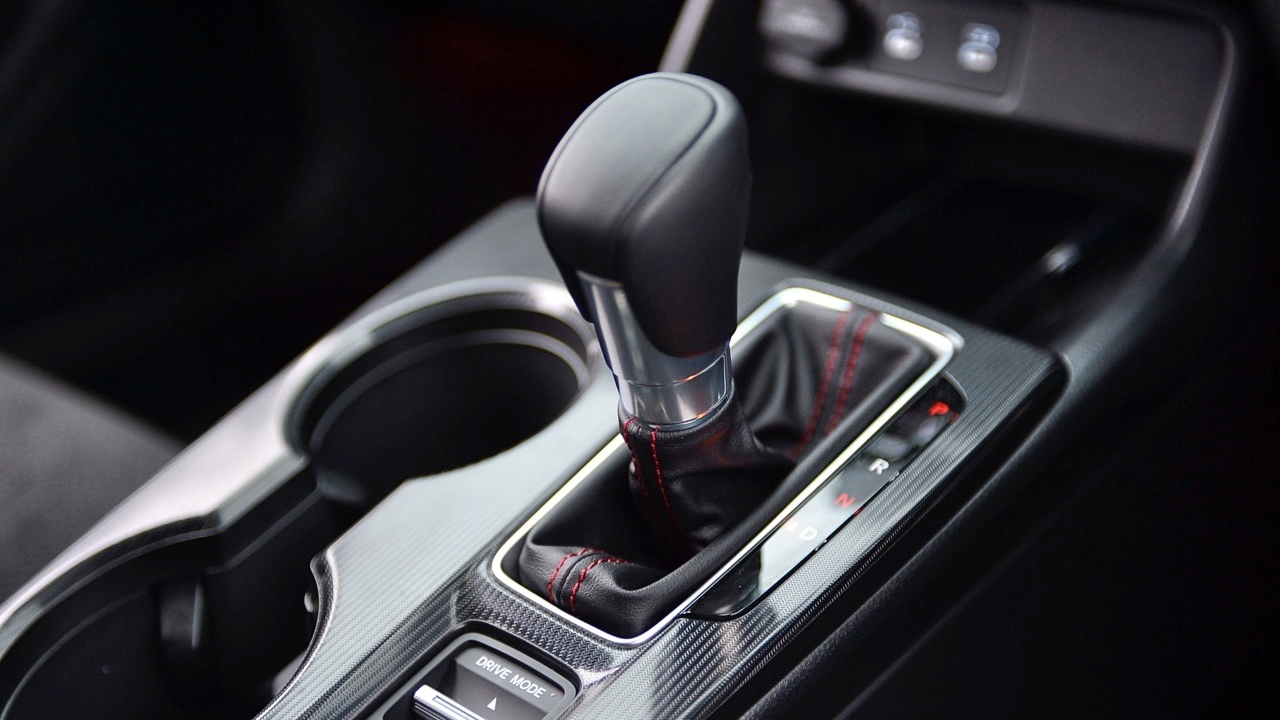
With rapid advancements in automotive technology, automatic transmissions have become more efficient, matching engines or electric motors that now offer much higher torque than before. In recent years, almost every new car model from nearly all brands offers only automatic transmissions. Automatic transmissions bring convenience by eliminating the need to operate a clutch manually like in manual gearboxes. They are easier to drive and increasingly popular, especially with the rise of electric vehicles. Understanding the differences between manual and automatic driving is therefore very important.
Types of Automatic Transmissions

Torque Converters
Torque Converter automatic transmissions are usually found in high-end vehicles. They provide exceptionally smooth gear changes with almost no jerking, jolting, or noise, adjusting based on driving speed and accelerator pressure.
Dual-Clutch Transmission (DCT)
This automatic system uses two clutches and is mainly found in sports cars and high-performance vehicles. The two clutches enable gear shifts much faster and smoother than manual transmissions. DCT offers very smooth and rapid gear changes, making it a common drivetrain in many performance sports cars.
Continuous Variable Transmission (CVT)
CVT uses belts and variable-diameter pulleys instead of clutches. It is commonly used in hybrid or economical cars to provide smooth driving and fuel efficiency. However, under heavy or prolonged use, CVT systems may produce noticeable noise.
Automated Manual Transmission (AMT)
AMT, or semi-automatic transmission, controls the clutch via computer instead of manual operation. This system is less common in new cars due to its jerky shifting behavior.
Intelligent Manual Transmission (IMT)
IMT fundamentally uses manual gear shifting but features an automatic clutch. It employs sensors to detect engine speed and automatically operates the clutch during gear changes. This type suits drivers who prefer manual gear selection without the hassle of clutch operation and is sometimes found in certain racing cars.

Using an automatic transmission involves controlling both the accelerator and brake with your right foot. Start by pressing the brake, shifting from 'P' (Park) to 'D' (Drive) or 'R' (Reverse), then gently release the brake to move forward and smoothly accelerate. Important techniques include smooth control, using low gears (L/2/S) when climbing hills, never shifting from D to R while moving, and always using 'P' and handbrake when parking.
For beginners or those switching from manual to automatic, the first step is understanding how automatic transmissions operate differently. Automatic cars have only two pedals: the accelerator (right) and the brake (left).

How to Use an Automatic Car
Press the brake pedal before starting the car or shifting the gear lever. This signals to the car's engine control unit (ECU) that you are in control.
Start the engine while keeping your right foot on the brake.
Shift the gear lever to D (Drive) while still pressing the brake, then slowly release the brake to start moving forward and press the accelerator to increase speed.
To reverse, select R (Reverse). The car must be completely stopped before shifting into R; never shift into reverse while the vehicle is moving.
Some automatic cars offer a manual driving mode. If yours does, select +/- in D to manually control gears using paddle shifters or gear lever toggles.
To prevent the car from rolling, use the P (Park) position.

Starting and Moving
Start: Press brake, start engine (in 'P' or 'N').
Shift gears: While still pressing the brake, move the gear lever to 'D' (Drive) or 'R' (Reverse).
Engage: Release the handbrake, then gently lift your foot off the brake so the car moves forward.
Accelerate: Gradually press the accelerator to speed up; the car will shift gears automatically.

Driving Techniques
Use one foot: Operate both accelerator and brake with your right foot to avoid confusion and accidents.
Smooth control: Avoid sudden acceleration or braking to reduce wear and maintain control, especially on slippery surfaces.
In traffic jams: Slowly release the brake to creep forward without using the accelerator.
Hills: Use low gears (L, 1, 2, or S for sport mode) for better control and engine braking on steep slopes.
Avoid shifting gears while moving: Never shift from 'D' to 'R' or 'P' while the car is in motion; always stop completely first.

Stopping and Parking
Stop: Press the brake until the car stops fully.
Park: Shift to 'P' (Park) and engage the handbrake (lever or electronic button).
Turn off engine: Press brake and switch off the engine.
Gear Positions
P (Park): Locks the transmission, use when parking.
R (Reverse): For backing up.
N (Neutral): Disconnects engine from wheels, used with handbrake.
D (Drive): Normal forward driving.
L/1/2 (Low): For slow movement with higher torque; use for steep hills or engine braking.
S (Sport): Holds gears longer for better torque; usually holds at gear 3 or 4 depending on ECU programming.
M (Manual): Manual mode allowing the driver to shift gears, typically using paddle shifters or gear lever toggles (+/-).