

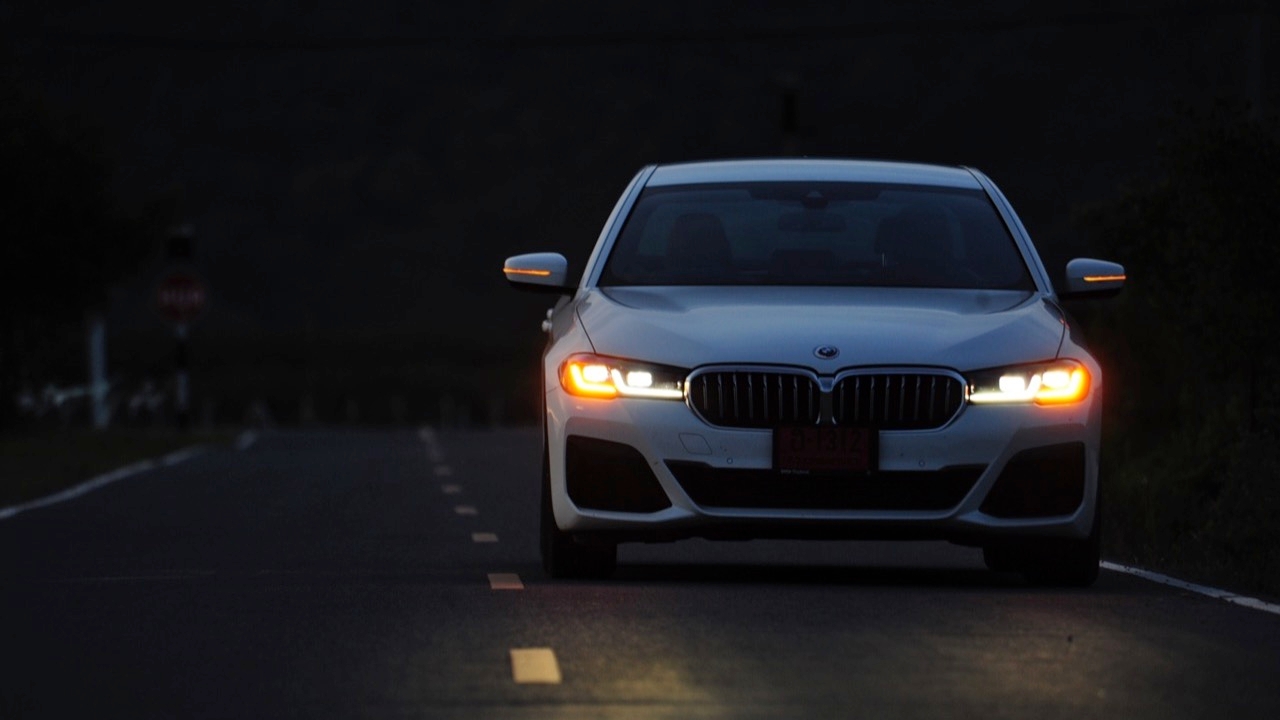
Using signals while driving is a primary safety concern. Informing or indicating your intentions to surrounding road users communicates to other drivers what you plan to do. Therefore, signals must be clear and match your intended actions. Incorrect or ambiguous signals lead to misinterpretation, and drivers who neglect to signal in advance pose serious risks of accidents ranging from minor to fatal.
Whether using hand signals in the past or modern light and horn signals, one should consider whether the signal is appropriate and necessary before using it. Overusing signals can confuse following vehicles. Always signal before any action, such as activating the turn signal before changing lanes—a common practice often neglected today. Using signals does not grant special road privileges. Use them only as needed, observe your surroundings before signaling, and cancel the signal immediately after use.
Types of signals in your vehicle
- Hand signals
- Turn signal lights for changing direction
- Horn signals
- Hazard lights
- Brake lights
- High beam lights
- Thank-you signals, a driving courtesy long neglected

1- Turn signals
Turn signals are often neglected and cause frequent accidents when drivers change lanes without signaling, mostly due to lack of attention to traffic rules. The correct lane change requires signaling at least 50 meters in advance, carefully checking before moving, and not turning the wheel immediately after signaling. Extra caution is needed when signaling left turns, including lane changes, turning into side streets, or parking at the roadside. Be careful using left signals near intersections. Clear vehicle positioning and appropriate speed, combined with turn signals, improve safety. Signal 3-5 seconds before changing lanes when it won’t disturb vehicles behind. Leaving a signal on too long causes confusion for vehicles beside and behind you.

2- Horn signals
In today’s heavy urban traffic, horns often provoke anger among hot-tempered drivers. Avoid long, continuous horn blasts, which feel like insults rather than warnings. When honking at pedestrians, use brief presses as a warning. If pedestrians don’t notice an approaching vehicle, especially in prohibited crossing zones or dangerous areas with fast-moving traffic, a brief horn can help. Traffic laws permit horn use solely to prevent accidents and ensure safety—not to express frustration or anger. Allow time when using the horn to find an escape route if pedestrians are crossing in fast lanes. If slow drivers remain in the right lane despite warnings and flashing high beams, stay calm and find a safe opportunity to pass rather than tailgating or pressuring them, which is dangerous and fuels road rage. Since the law is weak on punishing slow drivers in the right lane, you must handle this yourself.

3- Hazard lights or request-to-pass signals
Hazard lights are commonly misused in Thailand, often based on personal understanding without regard for appropriate conditions or situations. Some drivers activate hazard lights at uncontrolled intersections or in poor weather like heavy rain, fog, or smoke, thinking it increases visibility. Such misuse causes accidents due to other drivers misinterpreting the signal, for example, thinking the vehicle will turn when it will go straight. No guarantee exists that other drivers see all sides of your vehicle. Traffic laws prohibit using hazard lights while driving; this is the case abroad as well. Use hazard lights only briefly when your vehicle is disabled or obstructing traffic. Hazard lights do not grant any special privileges. Using them in heavy rain can confuse other drivers in poor visibility. Please understand proper use and change the mistaken beliefs that have led to frequent misuse.

4- High beam lights
Flashing high beams serve as warnings similar to horn signals, often used at night but occasionally during the day to alert vehicles turning or making U-turns that may encroach on your lane. Besides alerting others, high beams are a special technique to prevent accidents. On two-way roads at night, flashing high beams warn oncoming vehicles to stay cautious. They are useful at hill crests, long curved bridges, and sharp bends in valleys on narrow roads. High beams help check blind spots and illuminate dark roads lacking streetlights or reveal debris like blown truck tire fragments, truck chocks, or spilled dirt. When using high beams, avoid dazzling oncoming drivers; switch back to low beams promptly to maintain safety and visibility. High beams can be flashed to signal intent to overtake but should not be used angrily to pressure slower drivers blocking the right lane. Find a safe opportunity to pass rather than engage in risky behavior that can cause accidents or conflicts.

5- Thank-you signals to other vehicles
Expressing thanks by nodding to drivers who kindly yield is nearly lost on Thai roads. Even with tinted windows, a polite gesture like lowering the window and nodding to thank drivers who give way promotes goodwill. Practice this often; it feels good and fosters a friendlier driving environment. Sharing the road by yielding to vehicles exiting side streets, turning, or waiting to turn takes only a moment but helps reduce accidents through mutual kindness. Ultimately, this can lower the high rates of injuries and fatalities on Thailand’s roads. A simple nod or thumbs-up to courteous drivers is an easy gesture that is increasingly overlooked.
Arkom Ruamsuwan
E-Mailchang.arcom@thairath.co.th
Facebookhttps://www.facebook.com/chang.arcom
https://www.facebook.com/ARCOM-CHANG-Thairath-Online-525369247505358/