

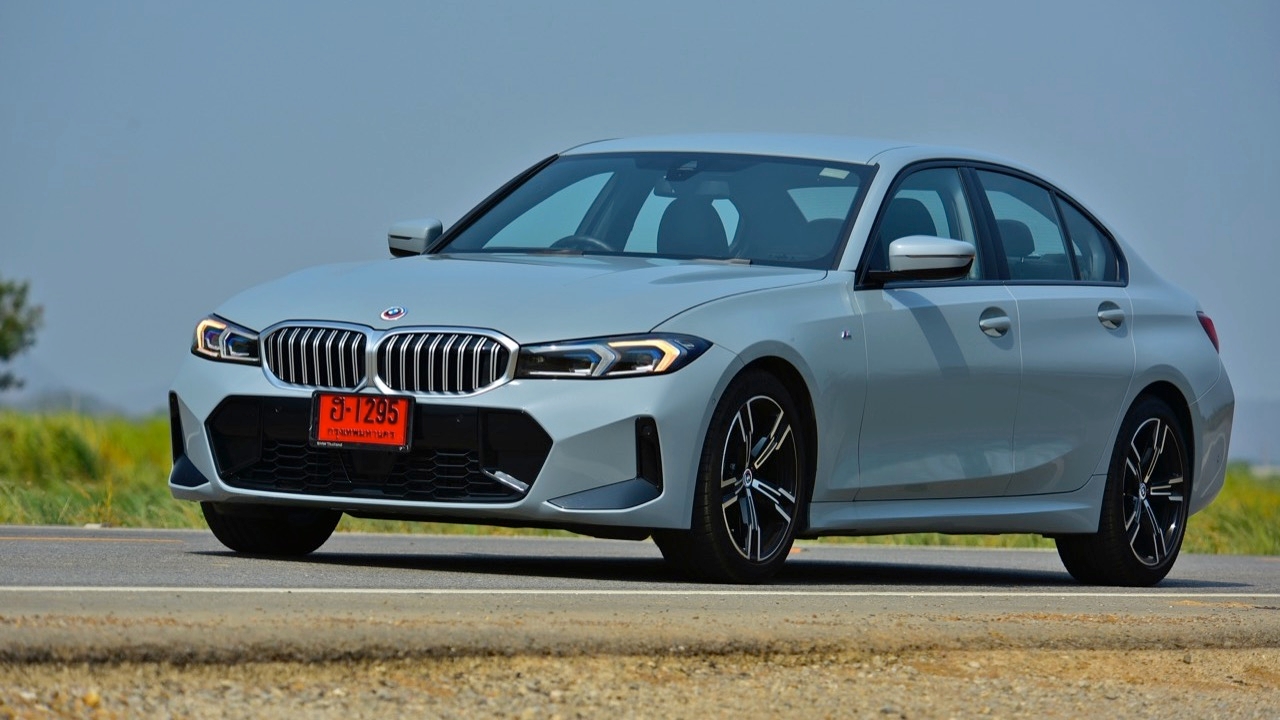
From 1980 to 2000, one of BMW's longest-standing weaknesses was reliability. This partly explains why the phrase "German engineering" became more of a joke than a mark of honor as many believed. Ultimately, the brand's history, filled with complex electronic systems, imperfect cooling, and fragile body structures, negatively affected long-term use. Today, BMW is more recognized for reliability, with robust engines like the B58 supporting the brand. The design and interior have changed drastically, abandoning the old style without hesitation, causing the loss of some longtime customers.


Looking back at BMW's reliability issues in the late 1990s and early 2000s, the brand pushed hard toward new technology, lighter materials, and increasingly complex electronics. The early Series 3 E46 and 5 Series E60 models drove excellently at first but later developed problems due to incomplete and fragile cooling system designs over time. This was the first time BMW introduced a new interconnected electronic network system in their cars. In reality, many parts remained durable thanks to advanced research and development, but without strict scheduled maintenance and overuse, some components would fail, making the car seem troublesome.
BMW and almost all leading car brands emphasize long maintenance intervals and fluids that last a lifetime. This is untrue, especially for powertrains or the ZF8 HP transmission, which requires oil changes based on actual mileage. Telling customers they never need to change transmission fluid is a marketing decision rather than mechanical fact. In reality, lubricants should be replaced every 40,000 kilometers to maintain proper system lubrication performance.

Previously, most BMW customers drove their cars over 40,000 kilometers before visiting service centers. This not only exceeded the manufacturer’s recommended maintenance interval but also allowed problems to worsen or cause irreversible damage. Both situations harmed the car’s lifespan. When such BMWs entered the used car market, these past negatives caused many buyers to receive "new" BMWs with multiple issues needing repair, often due to misunderstandings about proper care.


More recently, the situation changed. The N52 engine was produced to correct errors found in older 1980s-1990s engines. BMW engineers built it on a solid foundation as a naturally aspirated six-cylinder engine. Although initially overlooked, the N52 is now praised for durability when properly maintained. Today, the turbocharged B58 engine surpasses this, proving its performance in everything from 3 Series sedans to high-performance vehicles like the Toyota Supra. Reliability, torque, and durability are all strengths. Even the highly complex S58 engine avoids systemic problems seen in previous M models by using stronger component designs.

Currently, BMW ranks second overall and first among luxury brands according to Consumer Reports. However, past perceptions of BMW's "unreliability" remain due to misunderstandings, such as equating reliability with low maintenance costs. Remember, BMW (like all luxury cars) has maintenance costs far exceeding those of a Toyota Camry or fuel-efficient eco-cars. This is because each car’s performance comes with high costs from complex technology, precise engines and transmissions, and safety and convenience systems that all require significant spending.

All these factors contribute to high maintenance costs, including labor and complex spare parts. Online information about BMW often highlights negative experiences with service centers or conflicts between customers and dealers. Rarely does anyone post about trouble-free use over 200,000 kilometers. When few positive stories or impressions exist from owners, negative experiences with BMW become common online. BMW's image as a driver's car often means heavy use, accelerating wear and tear.

BMW cars are reliable if maintained on schedule, with worn parts replaced rather than kept for cost-saving, and if not driven harshly. At least, they are not unreliable in the way the internet often mocks. Reliability varies by engine, model, and specification. Today, the brand’s reliability reputation is likely outdated but still meaningful. BMW’s latest engines are more reliable than those in earlier models. However, new owners, paying higher prices than in other countries, expect maintenance to be minimal or postponable like with Toyota, only to face disappointment—especially over long-term use without thorough care.