

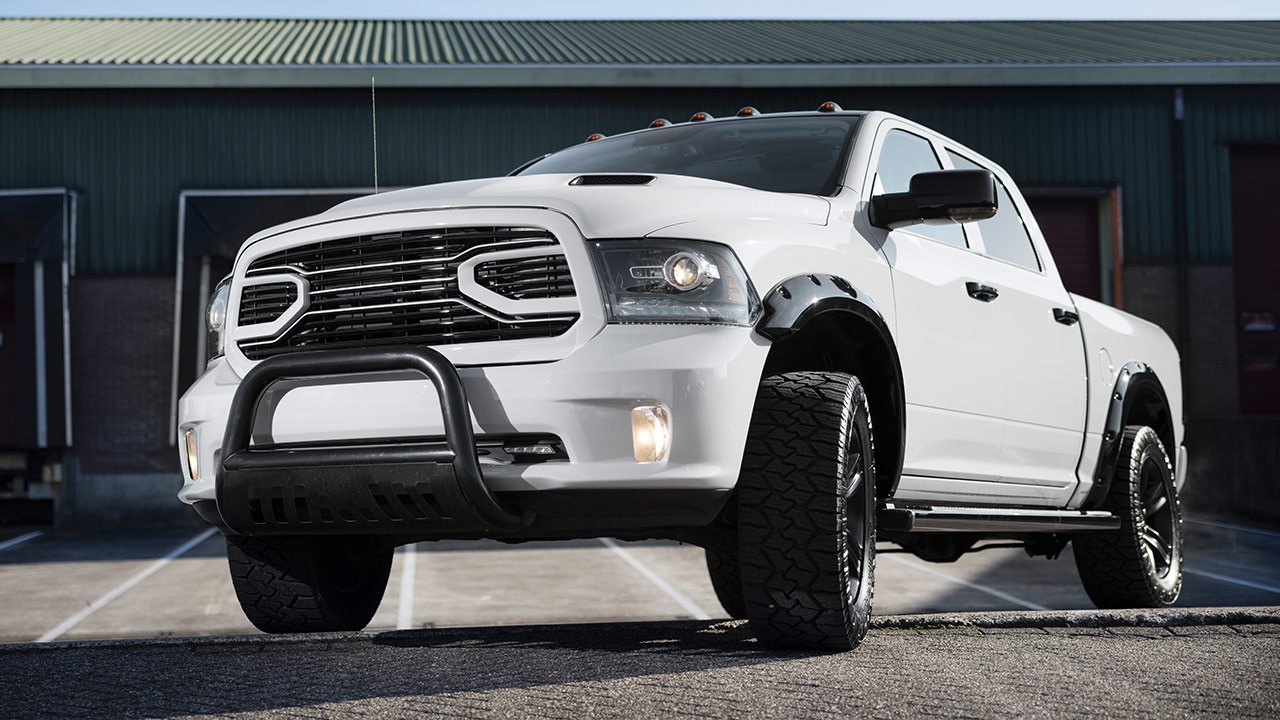
Thailand's pickup truck market in 2026 remains concerning. ttb analytics expects sales to reach 171,000 units, a 7% contraction compared to 2025, following continued household purchasing power decline.
ttb analytics assesses that sales of one-ton pickup trucks in 2026 will reach 171,000 units, a 7% year-on-year decline to the lowest level in 24 years. This is due to the vulnerability of middle-to-lower income households to the slow and uneven economic recovery, cautious lending by financial institutions, and shifting consumer behavior amid intensifying market competition.
They view that manufacturers must adjust strategies to focus on reaching consumers, especially those with purchasing limitations, alongside developing technology to sustainably reduce carbon emissions to maintain Thailand's pickup truck production chain as a Product Champion.
ttb analytics forecasts one-ton pickup truck sales in 2026 at 171,000 units, a 7% year-on-year decline to the lowest level in 24 years, with a continuing downward trend. Historically, annual sales were around 400,000-500,000 units but have recently fallen to 200,000-300,000 units. Regionally, new pickup registrations have declined for several years across almost every province, particularly in regional or provincial markets accounting for 60-70% of the nationwide pickup market.

Additionally, the share of mid-to-high segment pickups has continued to decline, seen in new registrations priced between 800,000 and 999,000 baht, mostly double cabs, dropping from 39% of new pickup registrations in 2022 to just 33.5% in 2025.
Conversely, the market share of single cab or some extended cab pickups priced between 600,000 and 799,000 baht increased from 58% in 2022 to 62% in 2025. Meanwhile, premium pickups priced over 1 million baht have grown in popularity but remain a relatively small market, with over 60% concentrated in Bangkok and its metropolitan area.
ttb analytics sees household purchasing power fragility as a continuing pressure on pickup sales from two main points. First, the income of these households is sensitive to slow and uneven economic growth, as pickups are often assets used for production and occupations in households, agriculture, and SMEs.
Second, household expenses and debt burdens remain high, combined with deteriorating quality of consumer loans, causing financial institutions to tighten auto loan approvals. This limits consumers’ ability to incur new debt, especially among those with unstable incomes, who form the core customer base of the pickup market and mostly rely on finance loans.
Beyond household financial issues, ttb analytics notes that recent increases in pickup prices, along with shifting attitudes among commercial vehicle users, have contributed to declining consumer popularity of pickups domestically. Manufacturers have increasingly developed pickups catering to personal lifestyle needs, combined with electric pickup technology development, driving prices higher amid intense economic and competitive conditions.
Meanwhile, most pickup buyers still purchase for occupational or commercial use, prioritizing load capacity and affordability. This group is highly price-sensitive, leading some consumers without regular heavy load needs to consider alternatives like SUVs or affordable multi-purpose vehicles.

Notably, Chinese carmakers have aggressively entered this segment recently. This trend also affects the popularity of pickups developed with specs bridging commercial and lifestyle use, emphasizing versatility and image.
Furthermore, the new excise tax effective in 2026 pressures sales of pickups and performance PPVs converted from pickups. The revised tax structure, implemented from 1 January 2026, shifts from engine type and displacement criteria to carbon dioxide (CO2) emissions and drive technology as the main bases, causing higher tax rates for internal combustion engine (ICE) and high-CO2 hybrid vehicles.
This excise tax change will affect cost structures and selling prices of pickups, mostly diesel-powered. Pickup taxes will increase from 2-10% to 2-13%, and PPV taxes from 10-40% to 10-50%, leading to new vehicle prices rising about 2-10% over previous prices.
However, despite good export growth last year partly compensating for slower domestic demand, production for export of one-ton pickups (Completely Built Up: CBU) in 2025 was over three times domestic sales, compared to past years when export and domestic production were roughly similar (about 1-1.5 times).
Looking ahead, global demand for combustion engine vehicles, especially diesel pickups, may continue to decline due to stricter CO2 emission standards and tightened Euro6 pollution regulations in key trading partner countries.
For example, Australia has tightened CO2 and brake standards limiting imports of high-emission vehicles since early 2025. Light Commercial Vehicles (LCVs) under 4.5 tons must emit no more than 210 grams of CO2 per kilometer in 2025, decreasing to 110 grams by 2028, pressuring Thai diesel pickup manufacturers.
In summary, amid a shrinking domestic pickup market, automakers should strategically focus on reaching consumers with limited purchasing power by developing more affordable models and designing more flexible financing options to support household and small business financial burdens.
Simultaneously, they should maintain premium market segments by differentiating design, performance, and image, enhancing after-sales service to build customer confidence and value in a highly price-sensitive market.
Additionally, manufacturers need to prepare for developing low-CO2 emission engine technologies to sustain Thailand's longstanding status as a Product Champion in pickup truck production.