

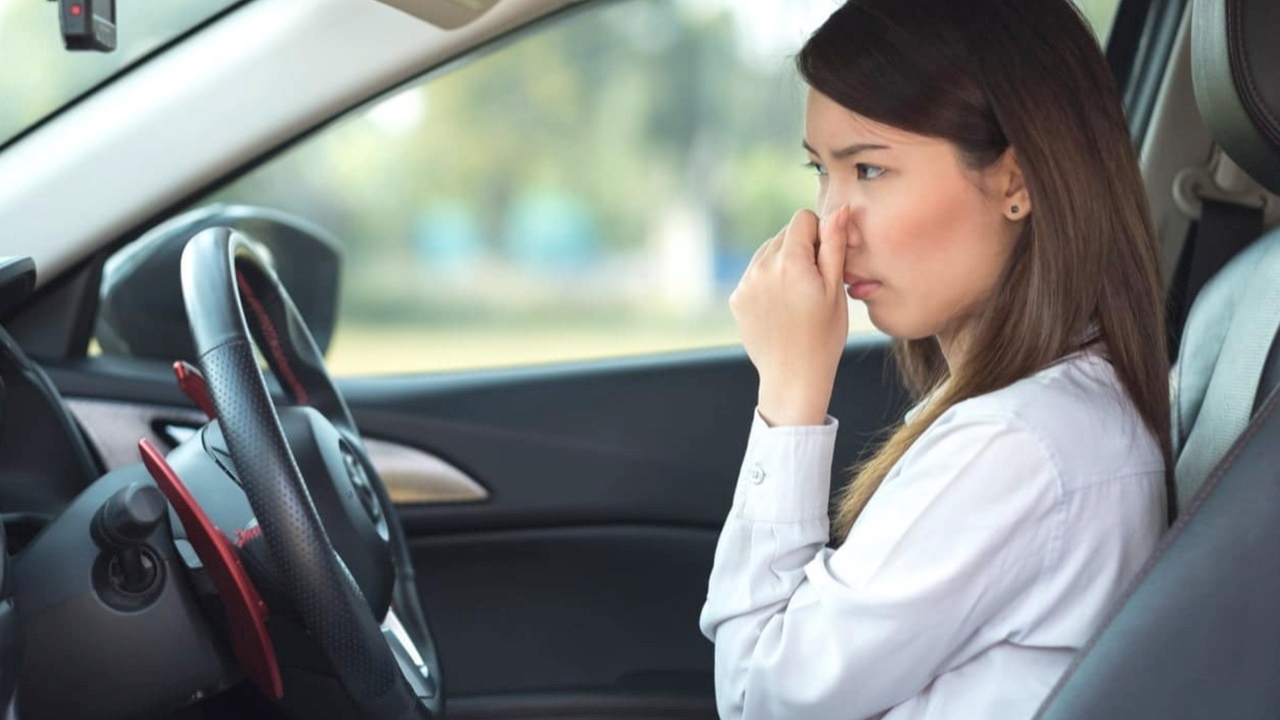
When traveling, we spend most of our time in the car, and long trips often involve eating. Passengers frequently bring snacks, treats, or even stop to buy fresh shrimp or fish to cook at home. Unpleasant odors often linger in the car. Common sources of bad smells include things we might not expect, such as trash, leftover food from trips, or food bags from drive-thru restaurants like hamburgers, delicious fried chicken, or grilled meat eaten with sticky rice, especially in air-conditioned cabins.

Food crumbs stuck under seats or dirt from traveling with dogs can cause odors. Dogs have scent glands that produce strong smells, and if these break inside the car, it can be a nightmare. Also, when we exit the car and close the windows and doors tightly to prevent theft, this traps and intensifies bad and musty odors. Besides the dog's scent glands, another source is water from melted ice used to keep fresh shrimp, which can seep into carpets in the luggage area or cabin. When exposed to sunlight and dried, it produces a foul stench. For families who travel together often, this is a common problem.

Bad odors in cars have long been a problem due to how people use vehicles—eating or carrying items that cause unpleasant smells while traveling. The pervasive cabin odors have driven the air freshener industry to produce many brands, as well as car care services specializing in interior cleaning. If very dirty, people may take their cars to these services at costs of thousands of baht. However, whether using gel perfumes, sprays, or other air fresheners, the bad odors tend to return. Air freshener sprays only mask bad smells temporarily; once the fragrance fades, the foul smell of rotten shrimp water returns—disgusting.

To effectively address foul odors, you must eliminate the source by thoroughly cleaning the areas where the odors persist—not just spraying air fresheners to create a temporary fresh scent. Once the spray fades, the terrible smell returns immediately, especially embarrassing when picking up a date.

To remove unwanted odors from vehicle interiors, start by removing all trash, cleaning stains immediately, and vacuuming seats, carpets, and luggage compartments. Use the traditional housekeeper’s method by applying baking soda to clean carpets. Replace the cabin air filter as well. Rotten shrimp water, once dried and left over time, emits a strong rotten sea smell. For stubborn shrimp water odors embedded in carpets, clean with a vinegar and water solution or, if that fails, discard the carpet entirely to solve the problem.


When cleaning odor-causing areas made of plastic, use multipurpose car interior cleaners as directed. For seats or carpets, use specific car seat or carpet cleaners, steam cleaners, or vacuum cleaners. These products usually have pleasant scents. Removing all residues eliminates odors, but if residues remain, once the cleaner’s fragrance fades, the bad smell will reappear.


After removing the odor sources, on your next day off, clean other frequently touched surfaces in the car, as these can harbor various smells. Use quality car interior cleaning products—Carnet brand is recommended, as the owner treats cars like their own child. Clean the steering wheel, gear shift, buttons, control panels, armrests, and other commonly touched spots. Also, don’t forget to discard any pairs of shoes with musty odors, as sometimes the culprit is smelly footwear.