

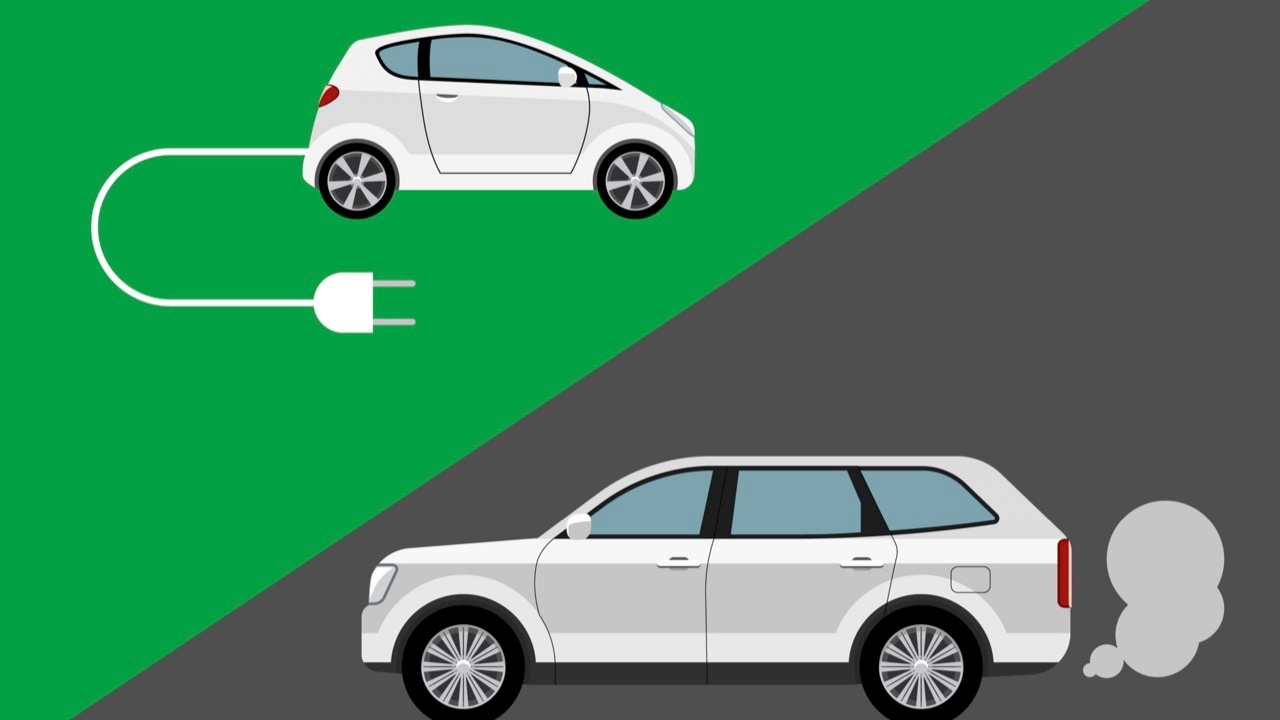
The comparison between electric vehicles (EV) and internal combustion engine vehicles (ICE) presents several interesting points, especially when considering "long-term value" and "actual usage patterns."


Efficiency
From an engineering perspective, EVs have significantly higher energy efficiency. The power loss in electric motors is much lower—electric motors can convert electrical energy into driving force with 80-90% efficiency. Instant torque delivery enables quick acceleration and overtaking.
Internal combustion engines lose much energy as heat and friction, resulting in real efficiency of only about 20-30%. The rest dissipates through heat and friction from the combustion process.

Wear and Maintenance
A major strength of EVs is their far fewer moving parts.
Missing components: EVs do not have timing belts, spark plugs, oil filters, multi-speed transmissions, or exhaust systems.
Braking system: EVs use regenerative braking (motor resistance to generate electricity), which causes brake pads to wear 2-3 times slower than in ICE vehicles.
Costs: On average, EV maintenance costs are 40-60% lower than ICE vehicles over time.
EV tires tend to wear out faster than those on ICE cars, especially in dual-motor EVs that produce higher torque compared to single-motor setups.

Lifespan and Spare Parts
Overall, general maintenance for EVs appears much cheaper, but the "heart" of the EV—the battery—is expensive.
Battery: Current lithium-ion batteries last about 8-10 years or 160,000 to 200,000 km before their capacity drops to 70-80%, or slightly lower depending on daily charging habits. Using DC fast charging reduces battery lifespan compared to slower AC charging, as AC charging generates less heat during charging.
Spare parts: Body and suspension parts cost roughly the same. However, battery packs or power control modules are very costly to replace after warranty expiration—potentially 30-50% of the vehicle’s price. In contrast, ICE spare parts are easier to find and supported by many aftermarket workshops.

Drawbacks and Limitations of Electric and Internal Combustion Vehicles
When comparing gasoline vehicles with EVs, the following points require consideration.
Refueling Time
EVs require 30 minutes to several hours to charge with DC fast chargers, depending on the station.
ICE vehicles refuel in 3-5 minutes at petrol stations.


Range Stability
EV range varies considerably with weather and driving speed.
ICE vehicle range is more stable and predictable.
Weight
EVs are significantly heavier—by 300-700 kg for the same size—due to battery weight, which increases tire wear noticeably.
ICE vehicles are lighter and handle corners more nimbly.


Resale Value of Used Cars
Some EV models have highly volatile resale prices, with steep depreciation and difficulty selling. ICE vehicles also depreciate but less severely, with more stable market prices.


Infrastructure
EV owners must plan trips carefully and reserve charging stations. Running out of charge without a nearby station means being stranded and needing a tow.
ICE vehicles benefit from ubiquitous petrol stations, offering convenience.
Clear Differences in Driving Feel Between EVs and ICE Vehicles, Beyond Just Quietness, Stem from Fundamental Engineering Differences:
Instant Torque Delivery
Gasoline engines require reaching RPMs and gear shifts to deliver power, whereas EV motors provide maximum torque from zero RPM.
Driving experience: Pressing the accelerator in an EV results in immediate, smooth acceleration without delay or gear shifts, producing a continuous and rapid response.


Regenerative Braking
This is an adjustment for drivers accustomed to gasoline cars. EVs recharge batteries when you lift off the accelerator.
Driving sensation: Lifting your foot from the accelerator feels like gentle braking or engine braking, enabling nearly 100% one-pedal driving control. Gasoline cars tend to coast more.
Very Low Center of Gravity
EV batteries are typically large, flat plates installed under the vehicle floor (skateboard platform).
Driving feel: Despite the heavier weight, the low-mounted battery gives EVs excellent road grip and stability in corners with less body roll compared to ICE cars that have higher engine placement.
Noise, Vibration, and Harshness (NVH)
Combustion engines generate constant vibrations and noise from explosions.
Experience: EVs are almost vibration-free on smooth roads, providing a relaxing quietness. However, this also makes tire and wind noise more noticeable.


Weight Distribution
EVs lack heavy front engine compartments and fuel tanks, allowing engineers to balance front and rear weight near 50:50.
Driving feel: Steering response and vehicle control tend to feel more natural and balanced compared to similar ICE vehicles.
For drivers preferring traditional driving feel, especially older drivers, EV steering lacks the soulful charm of engine sound, gear shifts, and mechanical feedback. Younger drivers often value EV comfort and precise responsiveness, finding EVs superior. Ultimately, preferences vary by individual and age.

Current Limitations of EVs for Users to Consider When Planning Usage
Charging time: EV charging takes much longer than refueling ICE vehicles. DC fast charging to 80% can take 30-60 minutes, while home AC charging may require 8-10 hours.
Charging station availability: Although growing, EV charging points remain sparse in remote or suburban areas compared to petrol stations, necessitating careful route planning for long trips.

Hidden Costs and Risks
Expensive batteries: After warranty (usually 8-10 years), battery replacement can cost up to 5,000 USD (around 170,000 baht or more).
Rapid depreciation: Fast technological advances and price wars cause steep used EV price drops.
High insurance premiums: EV insurance is often costlier than for comparable ICE cars due to expensive specialized repairs and parts.
Software and technical issues: EVs reportedly have more frequent software and electronic system glitches than ICE vehicles. Skilled service centers and technicians remain limited, while ICE cars benefit from widespread experienced mechanics. Hot climates degrade battery performance and lifespan more than cooler regions, reducing driving range and battery longevity.


Conclusion: Which Should You Choose?
Choose EV if you have home charging, mostly drive in the city, drive many kilometers daily (great fuel savings), enjoy quiet, powerful technology, and can tolerate or disable safety alert sounds.
Choose ICE if you travel long distances daily in remote areas, value time highly, dislike waiting to charge, or worry about battery life and resale value over the next decade, considering potential costly battery replacement.
In the long term (over 10 years), EVs face global electronic waste challenges and battery costs, while ICE vehicles will encounter stricter emissions regulations and may be banned from city centers in some countries. In Thailand, ICE vehicles are expected to remain practical for 30-40 more years.