

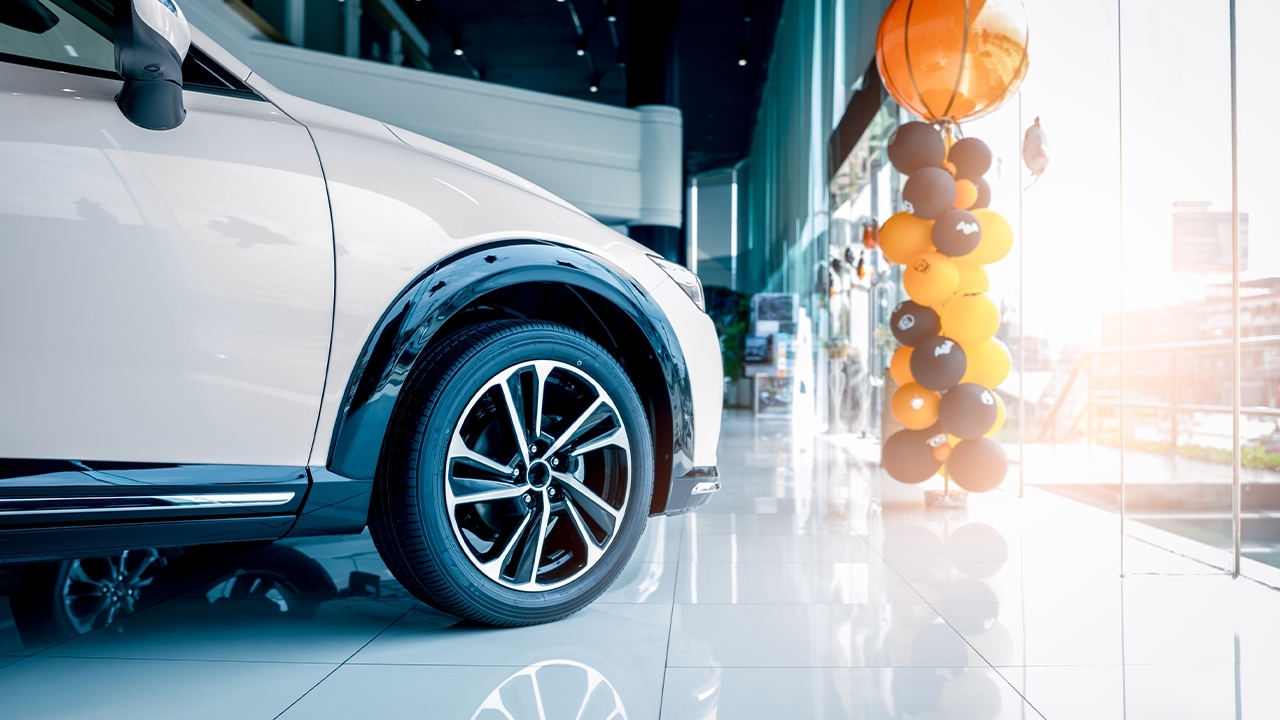
Kasikorn Research Center expects that in 2026, sales of BEV and PHEV cars will grow rapidly, resulting in an increase in "Chinese car dealers".
Kasikorn Research Center stated that domestic car sales in 2026 are expected to contract by 0.2% year-on-year to approximately 620,000 units, down from 621,166 units in 2025, due to weak consumer purchasing power.
This is due to declining incomes in the industrial labor sector following a slowdown in manufacturing, as well as reduced incomes for farmers from falling agricultural product prices continuing from 2025, leading financial institutions to maintain strict lending policies.
Commercial vehicles are the most affected group, expected to shrink by 5% year-on-year in 2026, reducing their market share to 33%. Meanwhile, passenger cars are projected to grow by 2% year-on-year, driven by a 28% year-on-year increase in BEV and PHEV passenger car sales to around 181,000 units, pushing the market share of BEV and PHEV passenger cars up to 29%, while the market share of ICE and HEV passenger cars falls to 38%.
The differing sales trends among vehicle groups in 2026 directly influence the growth prospects of dealers for each brand.
• Chinese car dealers are expected to expand rapidly, driven by growth in BEV and PHEV passenger car sales, with over 88% being Chinese-made vehicles.
• Japanese, Western, and other car dealers are expected to decline, as 97% of their sales still rely on ICE and HEV passenger cars and pickups, which mostly face contraction, except for some growth in HEV passenger cars.
Kasikorn Research Center estimates that in 2026, the number of Chinese car dealers will increase to about 730 outlets, a 10% year-on-year growth, while Japanese and Western dealers are expected to decline to approximately 1,520 outlets, a 4% year-on-year drop.
This results from average sales per Chinese dealer expected to rise 11% year-on-year, whereas average sales per Japanese and Western dealer are projected to decrease by 3% year-on-year compared to the previous year.

Although the number of Japanese and Western car dealers is expected to decrease across the market, the rate of decline varies and can be divided into two main groups.
1. Brands with high market share (each with more than 10% of new vehicle registrations in 2025) are expected to see only a 0.3% year-on-year decrease in total dealers in 2026, as strong sales per dealer help maintain business liquidity, even for brands reliant on pickup sales facing a shrinking market.
2. Brands with low market share (each holding between 1% and 4% of new vehicle registrations in 2025) are expected to see a 10.8% year-on-year reduction in total dealers in 2026, due to low sales per dealer negatively impacting business liquidity.
The high-risk groups include:
- Dealers heavily dependent on pickup truck sales, whether brands focused mainly on pickups or dealers located in areas where pickup demand exceeds that for passenger cars.
- Dealers of brands that no longer have local manufacturing bases, affecting customer confidence in after-sales service.
Dealers in these groups with limited financial resources face a high risk of closure within 2026 and may need to adapt by converting to Chinese car dealers, which are growing.