

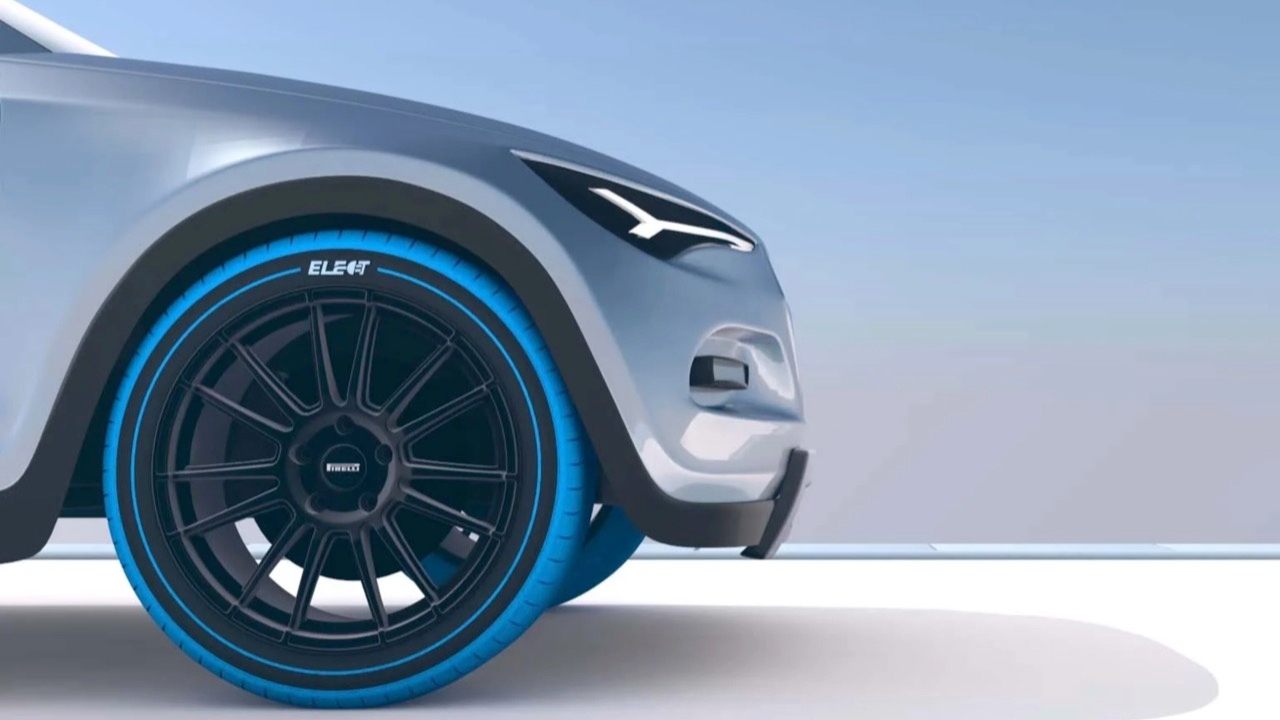
Choosing tires for electric vehicles (EVs) is more detailed than for regular gasoline cars because EVs are heavier due to their batteries, deliver instant torque, and have very quiet motors that let road noise in more easily. Typically, dual-motor EVs with 500-700 horsepower and 600-800 Nm of torque come equipped with high-performance EV tires from the factory. When replacing worn tires, the new tires should have specifications close to or better than the original factory tires in terms of load index and maximum speed rating. For budget EVs with a single motor producing around 250-300 horsepower, tire choice is also important since torque, vehicle weight, and driving style affect performance. If the original tires are only of average quality, upgrading to better tires will enhance ride comfort, quietness, grip, and energy efficiency. A common question is whether EVs can use tires designed for combustion engine cars; the answer is yes, but tire lifespan will depend on driving style, road conditions, temperature, and other factors, often resulting in shorter durability than EV-specific tires.


To simplify decision-making, here is a summary of key points categorized by topic.

Load Index: EVs are typically 20-30% heavier than gasoline cars of similar size.
HL (High Load) Symbol: Look for tires marked with HL on the sidewall, designed to handle the substantial weight of EVs.
Sidewall Construction: Tires must have strong sidewalls to prevent deformation during cornering or sudden braking.
Noise and Comfort.
With quiet engines, the "tire-road noise" becomes the primary source of noise pollution.
Noise-absorbing Technology: Premium EV tires often include sound-absorbing foam inside the tire to reduce resonance.

Tread Design: Tread patterns are finely engineered to expel air quietly.
Traction and Grip.
EVs produce massive, instantaneous torque.
Special Rubber Compounds: EV tires use stickier rubber to prevent wheel spin during acceleration.
Braking Distance: Because EVs are heavier than combustion cars, they require tires that provide short and confident stopping distances.

Energy Efficiency (Rolling Resistance): Rolling resistance greatly affects driving range. Low rolling resistance tires reduce friction during rotation; unsuitable tires can reduce range by 5-10% per charge.
Durability: Due to weight and torque, EV tires wear about 20% faster than regular tires.
Tires with silica compounds or technologies that distribute pressure evenly help extend tire life.

For city driving and maximum range, Michelin e Primacy or Bridgestone Turanza 6 are recommended, while for high-speed driving with confident cornering, Michelin Pilot Sport EV is more suitable.
When selecting tire size for EVs, it is crucial to use the size specified in the vehicle manual or the original factory size. Increasing tire size can affect range calculations, speedometer accuracy, and, importantly, battery and suspension warranties.

You can verify the correct tire size from three sources.
Owner's Manual: clearly states the manufacturer's recommended tire size.
Driver's Door Pillar Sticker: usually contains information about tire size and recommended pressure.
Original Tire Sidewall: check the numbers directly on the original tires.
Precautions when changing tire size.
If changing tire size (such as upsizing wheels or changing tire profile), consider the following.

Load Index: Must not be lower than the original rating, as EVs are heavier than gasoline cars; using tires with insufficient load capacity is very dangerous.
Rolling Resistance: Switching to overly sporty tires may significantly reduce driving range.
System Accuracy: Changing the overall tire diameter (including wheels) may cause speedometer errors and affect battery management system calculations.
EVs should use EV-specific tires identified by markings on the tire sidewall, ensuring optimal value and performance.