

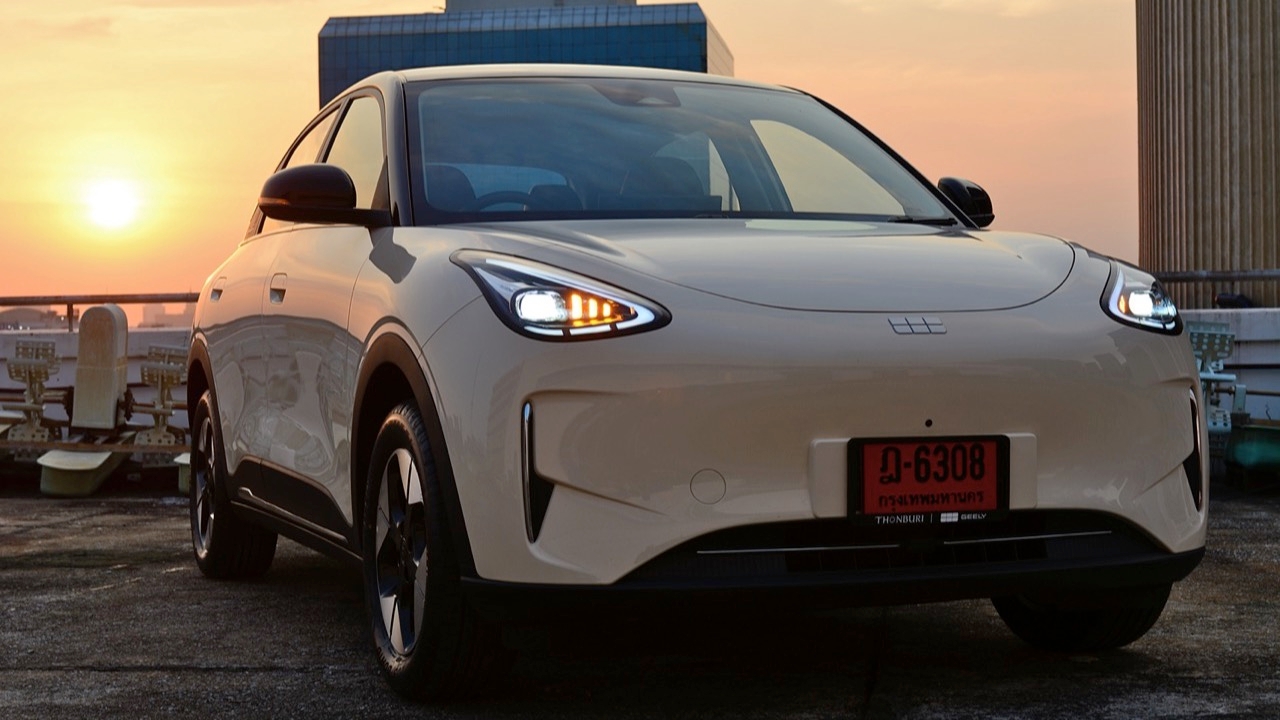
Maintaining your EV for the long term is not just about value but also the fun of understanding the technology in depth after switching to clean energy vehicles. This is a straightforward EV maintenance guide — just follow it, and your electric car will serve you well until the battery degrades (between 150,000 to 250,000 kilometers or possibly more).

The battery is the heart of the EV: how to extend battery life.
The 20-80% rule: Try to keep your battery charge between 20% and 80% for daily use. Frequently charging to 100% or letting it drop below 20% regularly causes stress and accelerates battery degradation.
Avoid DC Fast Charging unless necessary: Fast charging generates high heat inside the battery cells. If you have time and can charge with AC (at home), it helps preserve battery health best over the long term.


The enemy of EVs is extreme heat. Try to park in shaded areas and avoid leaving your car in direct sunlight for long periods. High heat forces the thermal management system to work harder, which may shorten battery cell lifespan.

Choose tires suitable for the "weight and torque" of your EV.
Check the Load Index: EVs are heavier than conventional cars due to battery weight—some batteries weigh up to 600 kilograms. Select tires that support higher loads (look for the HL - High Load marking on the tire sidewall) for safety and stability.
Low Rolling Resistance: EV tires are designed to reduce resistance, helping save energy and extend driving range per charge.
Regularly check tire pressure: With the immense instant torque of electric motors, tires wear faster than usual. Rotating tires every 5,000–10,000 km and maintaining correct tire pressure are essential.

Updating software is like continuously upgrading your EV’s performance.
Don’t skip OTA (Over-the-Air) updates. Modern EVs are like smartphones; frequent software updates not only add new features but also optimize the Battery Management System (BMS), improve energy use efficiency, and update safety systems.
Check the cooling system: EVs are generally easy to maintain, but battery coolant is crucial. Follow the manual’s recommended schedule to ensure the cooling system works optimally.

Use your car’s "smart" mode: Most 2026 models have a Charge Limit setting on the display. Set it to 80% for city driving (daily use) and only charge to 100% on actual long trips. Speed greatly affects energy consumption—driving steadily at 70-80 km/h significantly improves range without needing full 100% charges, which also helps preserve battery health.

Don’t fear battery degradation unnecessarily. Recently, a BYD Atto 3’s battery failed after over 200,000 km, which is reasonable usage. Batteries are designed for cycles. Leaving the battery at 100% charge for days is more harmful than charging to 100% and driving immediately.
On normal days, preserve battery charge at 80% and practice energy-efficient driving. This approach gives you sufficient range and a longer battery lifespan.

Battery Health Strategy tips.
Modern batteries are much smarter, but our behavior ultimately determines their lifespan.
Battery care and longevity rule: Charge between 20-80%. Keeping the battery in this range causes the least chemical stress internally.
Manage DC Fast Charging: While convenient, high current DC fast charging causes heat buildup that speeds battery wear compared to AC charging. Use DC fast chargers only when necessary, and prioritize AC charging (Wallbox) at home to keep the battery cool.
Pre-conditioning before trips or charging: If your car has a pre-conditioning system to adjust battery temperature beforehand, use it. This helps protect battery cells and allows faster charging without damage.
Be considerate when parking: Avoid leaving your EV in direct sunlight for long periods. The accumulated heat forces the thermal management system to work continuously even when the vehicle is off.