

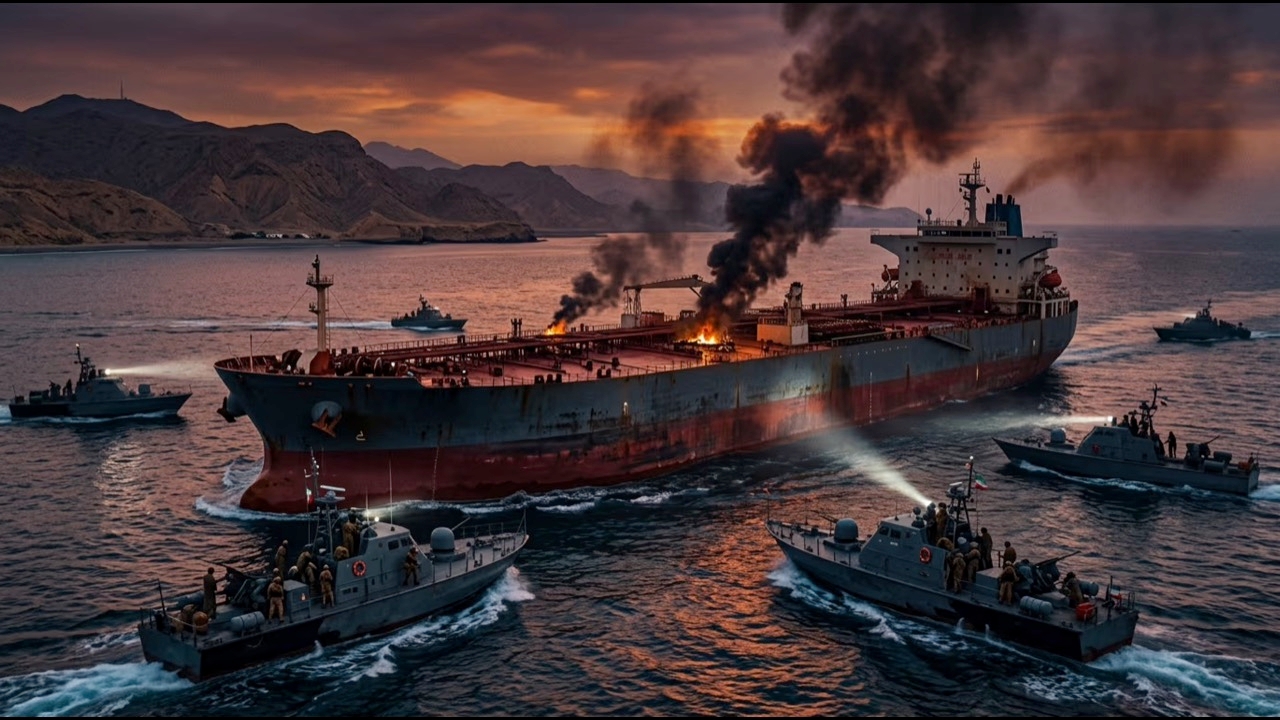
The Middle East conflict in March 2026 has dealt a "double-edged sword" impact on the automotive industry. Rising oil prices have accelerated interest in electric vehicles (EVs), but at the same time, the crisis has posed challenges to supply chains and the overall economy.


The escalating conflict in the Middle East, especially in early March 2026, has severely shaken the global automotive industry on multiple fronts, notably causing crises in logistics and supply chains. Clashes and the closure of the Strait of Hormuz have directly affected two of the world's most critical shipping routes—the Strait of Hormuz and the Red Sea—leading to delays in fuel and automotive raw material deliveries. With the Strait of Hormuz closed, cargo ships carrying automotive parts face standstills, putting automakers' Just-in-Time production methods at risk of disruption.
Transportation costs have surged as shipping routes detour around Africa’s Cape of Good Hope, adding over 4,000 miles and 10-14 days to travel times. This has caused freight rates and insurance premiums to spike multiple times, costs that will ultimately be passed on to vehicle prices.

Energy price and production cost crisis
Because over 20% of the world’s crude oil passes through the Strait of Hormuz, Brent crude oil prices have surged beyond $100-110 per barrel (data as of mid-March 2026).
Upstream material costs: Higher energy prices have impacted energy-intensive industries such as aluminum smelting and steel production, as well as petrochemical materials used in automotive plastics and adhesives. These raw material costs are expected to rise by 15-25%.

Impact on the electric vehicle (EV) industry and technology
Although higher oil prices may boost consumer interest in EVs, the manufacturing sector faces significant challenges, including:
Helium shortages in the Middle East, particularly in Qatar—a major helium producer worldwide—have disrupted semiconductor (chip) manufacturing. This supply interruption could trigger a new chip shortage crisis.
Battery supply chain: The transport of critical minerals and battery components from Asia to Europe and America passes through risky routes, prolonging battery production times.
Automaker adaptations
Price adjustments: Many manufacturers are beginning to consider raising vehicle prices in line with increased shipping and raw material costs.
Production relocation (Nearshoring): Uncertainty in the Middle East may accelerate automakers’ efforts to build supplier networks closer to assembly plants to reduce risks from dependence on long shipping routes.

Positive impact: Rising oil prices stimulate EV interest
Oil prices soared following attacks in Iran and the closure of key shipping lanes like the Strait of Hormuz. Brent crude oil surged above $90-$100 per barrel, causing rapid increases in pump prices in many countries, including Thailand.
Cost savings: With volatile oil prices, consumers are seeking more stable alternatives like EVs, since electricity prices are often regulated and less volatile than global crude oil prices. This has led to a clear rise in EV and hybrid vehicle searches and purchase considerations in March.


Negative impact: Obstacles to growth
Supply chain issues: The war has paralyzed maritime routes in the Red Sea and Middle East, disrupting the shipment of parts and batteries. This raises logistics costs and may cause vehicle shortages or delivery delays. Production costs are increasing as battery manufacturing, an energy-intensive process, is hit by soaring global energy prices, pushing up costs of key minerals like lithium and nickel. Consumer confidence is affected by the ongoing political uncertainty and inflation, causing some to delay large purchases, including new vehicles.

Market outlook for 2026
Despite negative transport factors, experts view this as a "turning point" emphasizing the need for reliance on clean energy for energy security, especially for oil-importing countries.
The war has accelerated interest in switching to EVs to escape high oil prices, but practical challenges remain, such as potential vehicle price increases due to higher production costs and longer delivery times caused by global logistics disruptions.