

Differential (Thailand), a consulting and market research firm, revealed the findings of the first-ever "Product Customer Experience Index (Product CXI) Study℠" in Thailand. This study focused on key aspects such as customer satisfaction with car design, appeal, features, and performance, collectively referred to as "product satisfaction." This is a crucial factor in building "customer loyalty," which strengthens products amid intensifying competition, especially from new car companies entering the Thai market.

This study reflects the perspectives of owners of 14 popular car brands, who rated their satisfaction with their vehicles covering aspects from exterior design, driving performance, to interior comfort, ergonomics, and safety. Conducted from October to December 2025, data was collected from owners who had possessed their cars for 12 to 36 months prior to the interview. Satisfaction was measured across nine main categories encompassing 52 sub-features: 1) exterior design and style, 2) safety systems, 3) usability and controls, 4) performance and driving, 5) lighting and signals, 6) interior design and comfort, 7) cargo space and storage, 8) sound and entertainment systems, and for battery electric vehicles (BEVs), an additional 9) battery and charging. This year, the industry's P-CXI score stood at 890 out of 1,000.


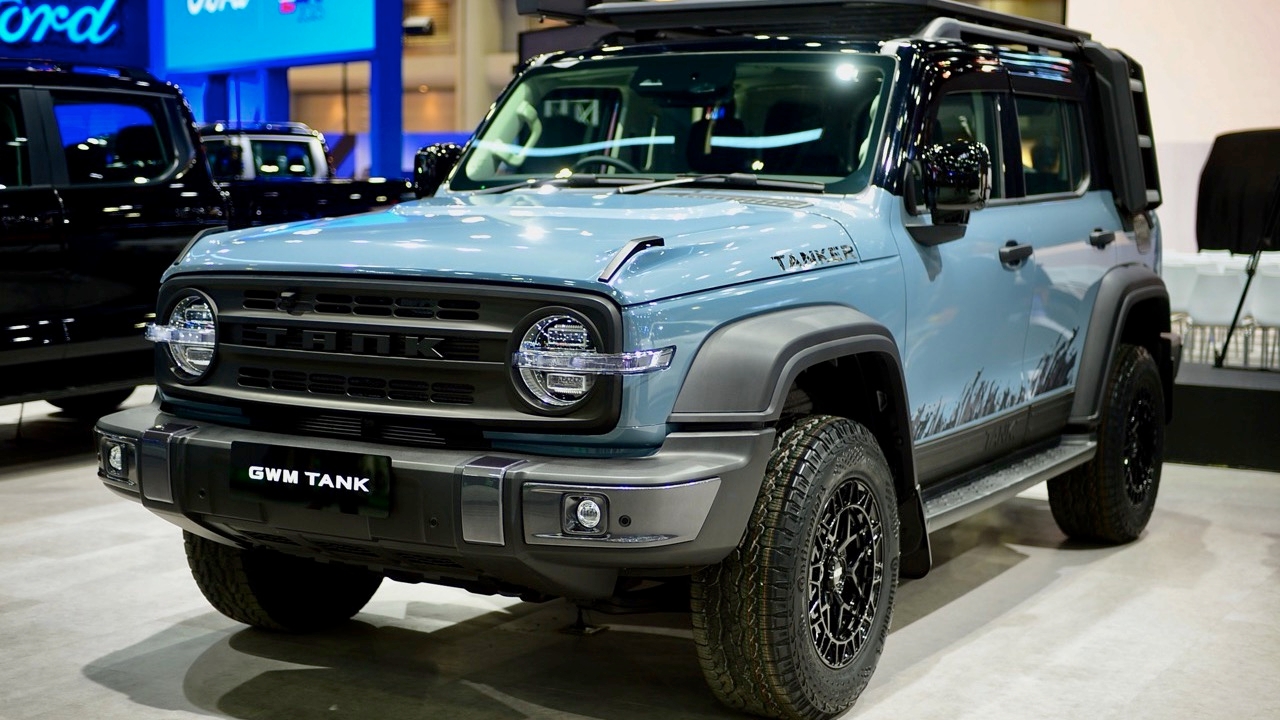
Siras Satrapai, Managing Director of Differential (Thailand), disclosed that the "Product Customer Experience Index (Product CXI) Study℠" revealed GWM owners had the highest average satisfaction score of 896 out of 1,000, ranking first. Honda and Mazda followed with equal scores of 895, Nissan at 894, Ford at 893, and Toyota at 891. All these brands scored above the industry average of 890. MG scored exactly 890, matching the average, while other brands scored below the industry average.
Japanese cars continue to have higher overall product satisfaction scores than Chinese cars (890 versus 886), while owners of battery electric vehicles (mostly Chinese brands) have lower satisfaction than those with internal combustion engine (ICE) and hybrid vehicles (884 versus 891). Battery and charging issues remain the weakest points for BEV owners, who expressed the lowest satisfaction in these areas.
Regarding key satisfaction factors, customers were most pleased with the vehicle's exterior design and style, followed by performance and driving experience, and then usability and control systems. Conversely, the lowest satisfaction scores were for: 1) battery and charging, 2) cargo space and storage, and 3) sound and entertainment systems.

In more detailed subcategories, customers expressed highest satisfaction with: 1) the beauty and function of interior ambient lighting, 2) convenience and utility of charging ports for mobile devices, and 3) the effectiveness of driver assistance systems including visibility aids. This reflects Thai customers’ emphasis on a premium-feeling cabin, essential mobile device charging points, enhanced safety through driver assistance, convenient steering wheel controls, and harmonious interior colors and materials—all contributing to an impressive driving experience.
On the other hand, noise insulation, cabin quietness, odor prevention from outside, and sound system quality (especially bass and clarity) remain areas where customer expectations have yet to be fully met.

The study also found that 70% of respondents, who had an average satisfaction score of 913 (23 points above the industry average), were active promoters willing to recommend their car brands to friends, relatives, and acquaintances. The remaining 30%, classified as Passive or Detractor groups, had significantly lower satisfaction scores averaging 837, which is 53 points below the average. These figures underscore the importance of creating a satisfying product experience to build loyalty, turning customers into effective advocates who actively recommend their cars to others.
Ranking of the 2026 Thailand Product Customer Experience Index for Popular Car Brands (out of 1,000 points).
Study Name: Differential 2025 Thailand Product Customer Experience Index Study (Product CXI) SM
. Note:
This study represents an independent third-party evaluation of car owners’ experiences regarding design, usability, technology, and features offered in vehicles from popular car brands (excluding luxury and sports cars) within Thailand's automotive industry.
Charts and graphs from this press release, if used, should credit “Source: Differential (Thailand) Co., Ltd.” Rankings are based on numerical scores and may not necessarily reflect statistical significance. Use of this information for advertising or promotional purposes requires prior written consent from Differential (Thailand) Co., Ltd.

Mr. Siras further explained, "The 2026 Product CXI study highlights key factors highly valued by Thai car owners: 1) exterior design and vehicle style, 2) safety systems, 3) usability and controls, and 4) performance and driving experience. These are the main drivers of overall product satisfaction, with vehicle aesthetics and passenger safety remaining essential foundations. Next in importance are the demand for everyday usability, confidence, and responsive driving."
"For battery electric vehicles (BEVs), the main weaknesses lowering satisfaction scores are related to battery and charging—specifically charging time and the convenience of home chargers. This emphasizes that the charging experience remains an unresolved issue that undermines overall customer satisfaction. Conversely, these areas present significant opportunities for development to enhance product satisfaction and foster long-term loyalty," Mr. Siras added.