

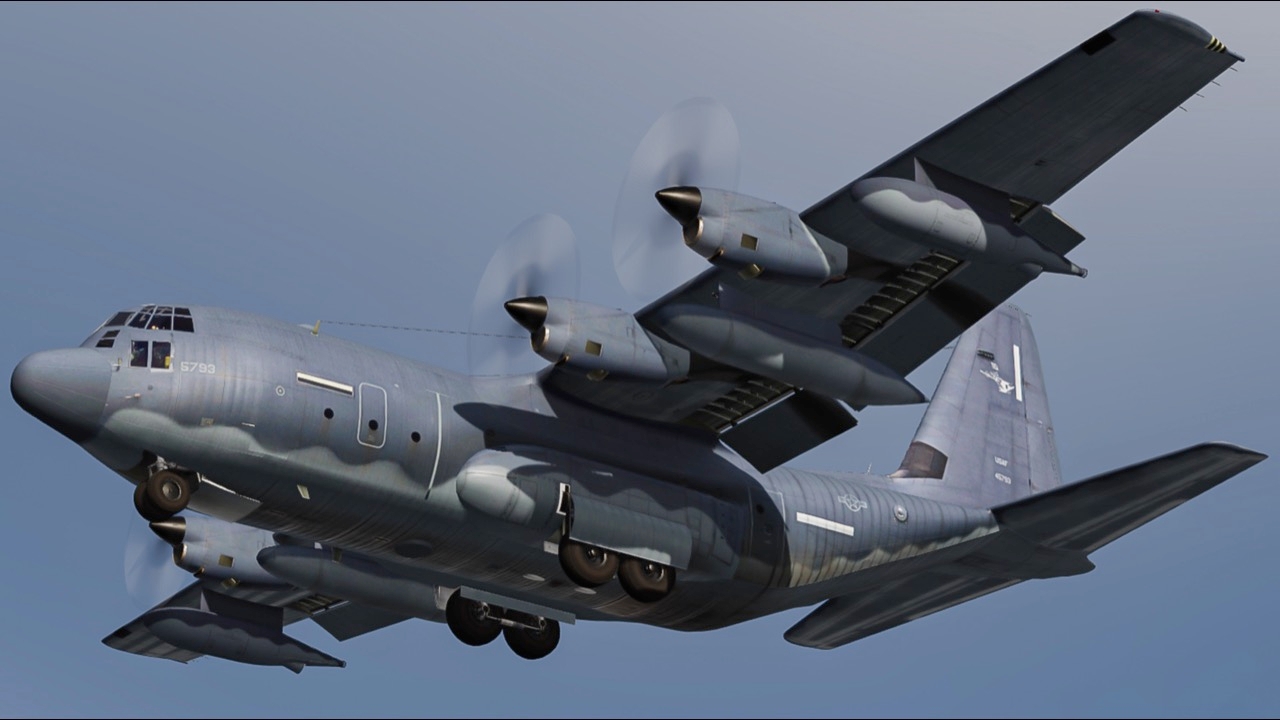
Regarding the incident where Iran shot down a large transport aircraft and helicopters attempting to break through Iranian defenses to rescue an F-15 pilot who ejected after his plane was shot down on 3 April 2026, the latest developments occurred on 5 April 2026. According to reports from Al Jazeera and sources in the Middle East, detailed information has emerged about the losses of a large C-130 transport aircraft and search-and-rescue helicopters during the pilot rescue mission.

Causes of the shoot-down and losses (citing Al Jazeera and local media) involve confrontation with Iran's new generation air defense system. Iranian sources (via Fars and Al Jazeera reports) state that the Iranian military deployed an advanced, previously undisclosed air defense system to intercept U.S. forces. Although the U.S. had attempted to disable local radar systems beforehand, Iran claims their air defense remained fully operational and was the primary force that shot down Black Hawk helicopters while pressuring other support aircraft.

Ground ambush by Faraj Rangers: Al Jazeera cites Iranian sources stating that C-130 family aircraft (some reports specify the MC-130J used for special missions) were destroyed by a commando unit called Faraj Rangers, which ambushed them in the mountainous area where the F-15 pilot ejected after losing full control of his aircraft.


Intensity in the Search and Rescue (SAR) zone: From 3 to 5 April 2026, the mission to rescue the American pilot was highly complex due to the mountainous terrain in western Iran. Al Jazeera reported heavy clashes between U.S. special forces and Iran's Islamic Revolutionary Guard Corps (IRGC) near the wreckage of the MC-130J. Traces of two MH-6/AH-6 Little Bird helicopters, operated by the U.S. 160th Special Operations Aviation Regiment known as the "Night Stalkers," were found burned. At least two Black Hawk helicopters were severely damaged while attempting to land to retrieve the pilot.

Western-leaning media have speculated that the MC-130J was not shot down but deliberately destroyed to prevent capture. This is highly questionable since such a large aircraft, despite its armaments, is a conspicuous target easier to shoot down than a fighter jet. Middle Eastern outlets aligned with the West, such as the Jerusalem Post, claimed some U.S. MC-130J aircraft were not directly shot down but rather "destroyed by U.S. forces themselves" after sustaining damage from ground combat and becoming unflyable, to prevent Iran from seizing the technology and aircraft. This is also dubious because the MC-130J is an older model still in active use, without particularly advanced aviation technology.

The MC-130J Commando II is a large multi-purpose transport aircraft specially modified for special operations missions. It is developed from the C-130J Super Hercules and serves in the U.S. Air Force Special Operations Command (AFSOC).
The main missions of this aircraft are more complex than those of standard transports, with the following notable details:
1. Primary Missions
Aerial Refueling: It can refuel special operations helicopters such as the MH-60 Black Hawk or tiltrotor aircraft like the CV-22 Osprey at low altitude and during night operations.
Infiltration/Exfiltration: It transports paratroopers, special forces, or equipment into and out of areas lacking permanent runways or controlled by enemy forces.
Resupply: It uses precision delivery systems to drop supplies to frontline units.

2. Technical Capabilities
Advanced avionics including radar and sensors enable terrain-following flight at very low altitude even in zero visibility to evade enemy radar detection.
Powered by four Rolls-Royce AE 2100D3 turboprop engines with six-blade propellers, offering high torque and better fuel efficiency than older models.

Self-defense systems include radar and laser warning receivers and chaff/flare dispensers to counter missiles. Despite these, the aircraft could not avoid being targeted and shot down by Iranian forces. The U.S. likely suffered significant losses, as besides the crew, special operations forces onboard would have been at high risk of no survivors if the aircraft was downed.