

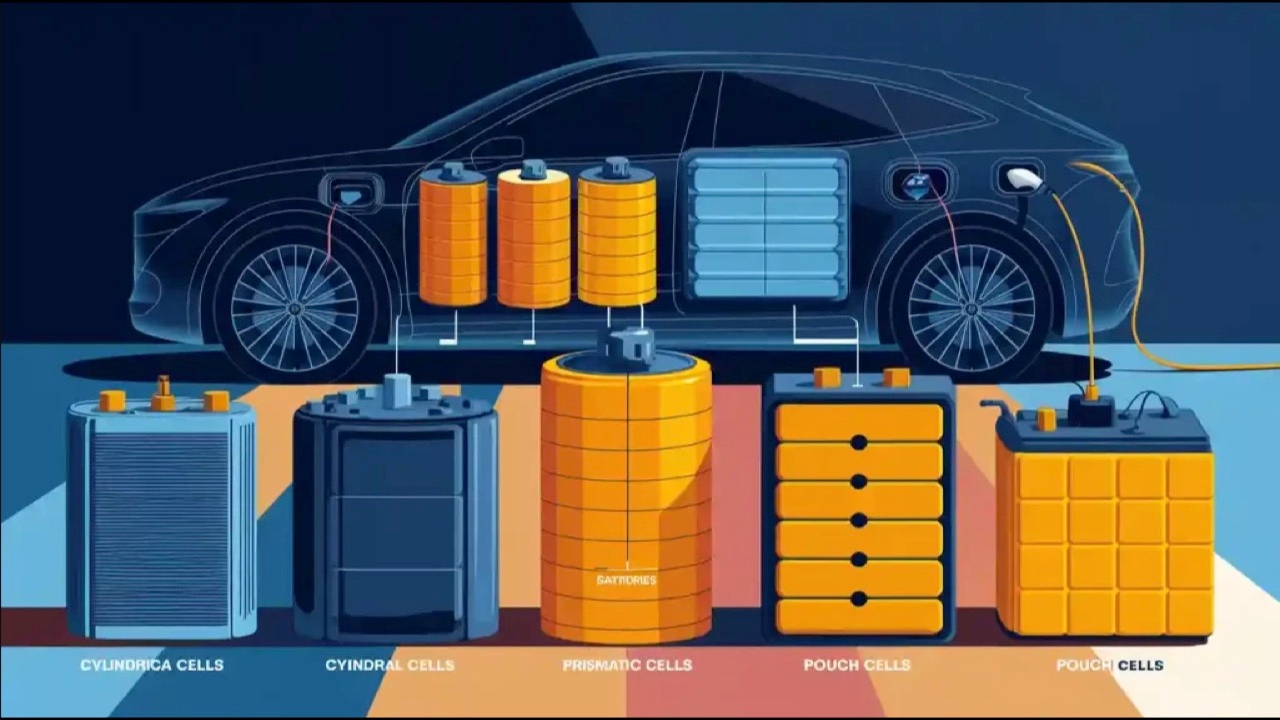
This incident, whether the vehicle is parked anywhere but especially at home, is a dangerous and urgent situation if smoke is emitted from beneath the vehicle accompanied by the inability to move. The cause usually involves the high-voltage electrical system or the main drive system, often originating from the battery. The battery may have been damaged by impact, electrical short circuits inside the battery system, or cooling system failure—whether malfunctioning or underperforming—resulting in the battery overheating and producing smoke.

Battery thermal runaway is the cause of the smoke. Smoke emerging from under the vehicle (where the battery pack is located) may result from damaged battery cells due to impact or a cooling system failure, causing a chemical reaction that generates excessive heat. There is a question of why the affected vehicle cannot move. The immobility is due to the battery management system monitoring for malfunctions; upon detecting a problem, it immediately cuts off all electrical power for safety.

Motor or inverter failure can occur when an electric vehicle is driven at high speeds or continuously accelerated for a long time, or after heavy use such as climbing steep slopes or sustained high-speed driving. The motor or inverter may short-circuit or burn out, producing smoke. When the motor is damaged or the inverter stops supplying power, the wheels cannot turn. While this can happen, it is less common than failures or malfunctions in the battery cooling system.

High-voltage wiring short circuits can occur when the vehicle is parked in areas frequented by rodents at night. Rodents may chew the wiring insulation, causing damage and short circuits. Impact to the vehicle's underside can also damage the orange high-voltage wire insulation, causing sparks and smoke. When the system detects electrical leakage or short circuits, the safety system immediately cuts off the main battery power, rendering the vehicle immobile.
Immediate actions to take
Exit the vehicle immediately, get away from it, and maintain a distance of at least 15–20 meters.
Do not attempt to spray water unless you are certain of the fire type. Applying small amounts of water to the battery may worsen the situation.
Call the service center or emergency responders, specifying that there is smoke under an electric vehicle so they can prepare appropriate chemical fire extinguishing equipment.
Do not attempt to start the vehicle or force it to move, as this may cause sparks.
Because the vehicle cannot move and is electric, it must be transported only by a flatbed tow truck. Do not tow with wheels on the ground, as this can cause electrical feedback that further damages the compromised system.
Electric vehicles (EVs) represent new technology, and when problems occur, they often receive more alarming news coverage compared to conventional gasoline vehicles.

In reality, this fear stems from the unseen nature of the problem. Unlike gasoline cars where overheating may suggest a radiator leak, smoke under an EV typically indicates battery issues, the most expensive and complex component. Initial uncertainty about the cause often raises concern. With many EV brands entering the market, both established and new, consumer confidence depends on after-sales service. If manufacturers promptly investigate, fairly compensate, and transparently explain causes (such as impact damage or software errors), confidence returns quickly. Conversely, if manufacturers conceal information or blame users, brand trust declines sharply.

Statistically, the rate of vehicle fires worldwide is lower for electric vehicles than for internal combustion engine (ICE) vehicles. However, when EV fires do occur, they tend to be intense and harder to control, which can amplify media coverage. The safety systems of EVs sold in Thailand meet standards. New EV models have very responsive automatic power cutoff systems, which is why the vehicle cannot move during issues.Such incidents inevitably affect short-term consumer confidence, especially among those considering purchasing an EV due to fuel cost concerns.For current EV users, regaining confidence depends largely on straightforward technical explanations from manufacturers about what happened, identifying the cause, and how it can be resolved without withholding information.