

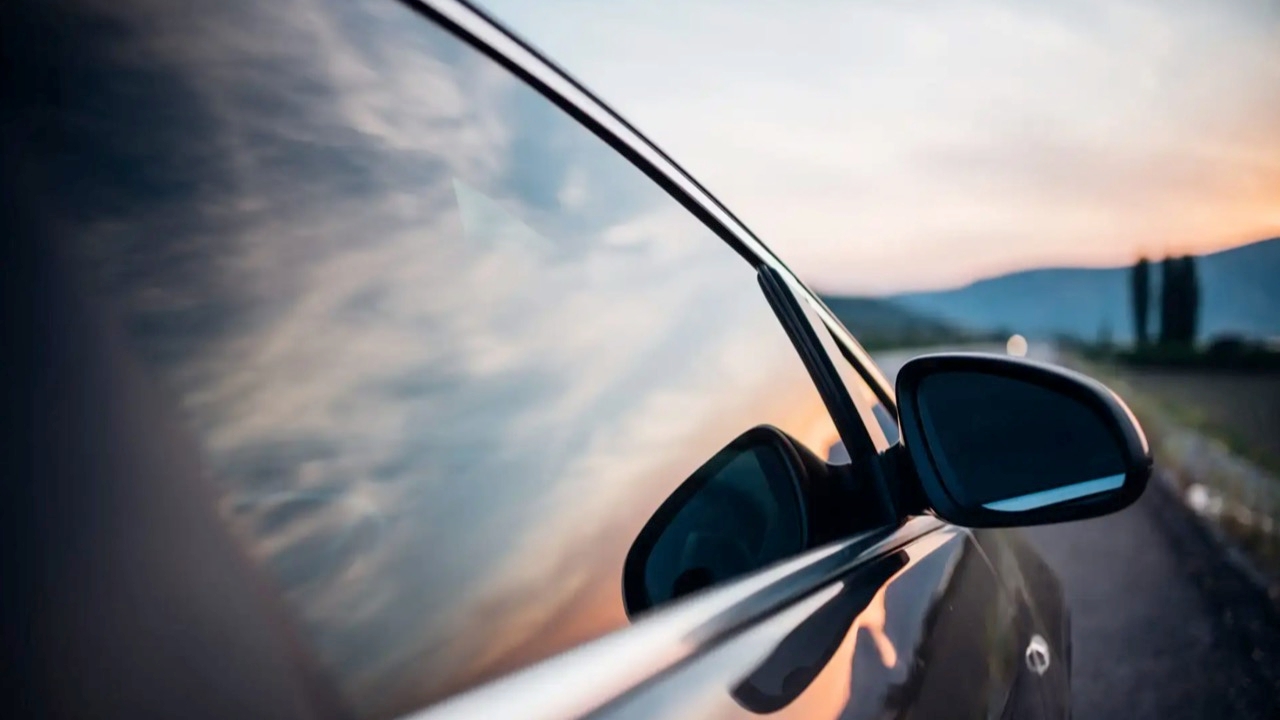
When applying heat-reducing window film to electric vehicles, special films are necessary to maximize heat protection from outside and allow sensors to function properly. Typically, high-performance ceramic or nano-ceramic films without metal components are used. These films primarily enhance energy efficiency, protect sensitive electronic systems, and manage intense cabin heat without disrupting signals. While conventional cars mostly use window films for aesthetics, EVs use film as a crucial "passive cooling" tool to lessen air-conditioning load, which otherwise draws battery power and can reduce driving range by up to 17% in hot weather.

Electric vehicles (EVs) require specialized window films because their operating systems differ from combustion engine cars, for several main reasons.
No interference with digital signals: EVs rely constantly on smart systems such as GPS, 4G/5G, Bluetooth, and various sensors. Conventional metallic window films (like mirror films) can reflect and block these signals, causing navigation or driver assistance systems to malfunction.


Energy savings and extended driving range: EVs use battery power to run air conditioning. Excess interior heat forces the AC to work harder, consuming more battery. High-performance heat-rejecting films can reduce AC load by up to 30%, enabling the vehicle to travel farther per charge.
Support for panoramic glass roofs: Many EV models feature large glass roofs that absorb more heat than usual. Specialized films are designed with exceptionally high total solar energy rejection (TSER) values to address this specific issue.

Protecting electronic equipment: EV interiors contain numerous screens and digital devices sensitive to temperature. High-quality films block UV radiation and accumulated heat, preventing premature wear or malfunction of these components.
Recommended film types for EVs include ceramic films or multi-layer optical films, as they contain no metal, provide clear visibility, and offer excellent heat rejection. SPMS-EST +1.

Lamina is one of Thailand's top trusted sun protection film brands, offering products specially designed for electric vehicles (EVs) and smart cars under the DigitalBoost technology line.
These films focus on not blocking signals, ensuring that smart EV systems like GPS, 5G, ADAS (driver assistance), and Easy Pass operate at 100% stability.
Recommended models for electric vehicles include:
Lamina Digital EV Boost: A premium film made specifically for EVs, emphasizing fast, strong, and stable digital signal transmission alongside high heat rejection.
Lamina Digital EVS Boost: A new energy-saving film that reduces air-conditioning load, extending battery range, while maintaining high clarity.
Lamina Digital Ceramatrix Boost: A 100% genuine ceramic film popular among EV car clubs, offering a dark black exterior look with bright interior visibility and quick heat dissipation.
Other models in the Digital Boost family include Ceramic Onyx Boost (luxury-focused), Mystery Boost, and CM Icon Boost, all supporting digital signals well.

In summary, Lamina's advantages for EVs include uninterrupted signals supporting 5G, Wi-Fi 7, and Bluetooth 5.4, enabling smooth OTA (over-the-air) software updates; high heat rejection protecting battery and electronic devices; and clear visibility for confident daytime and nighttime driving.