

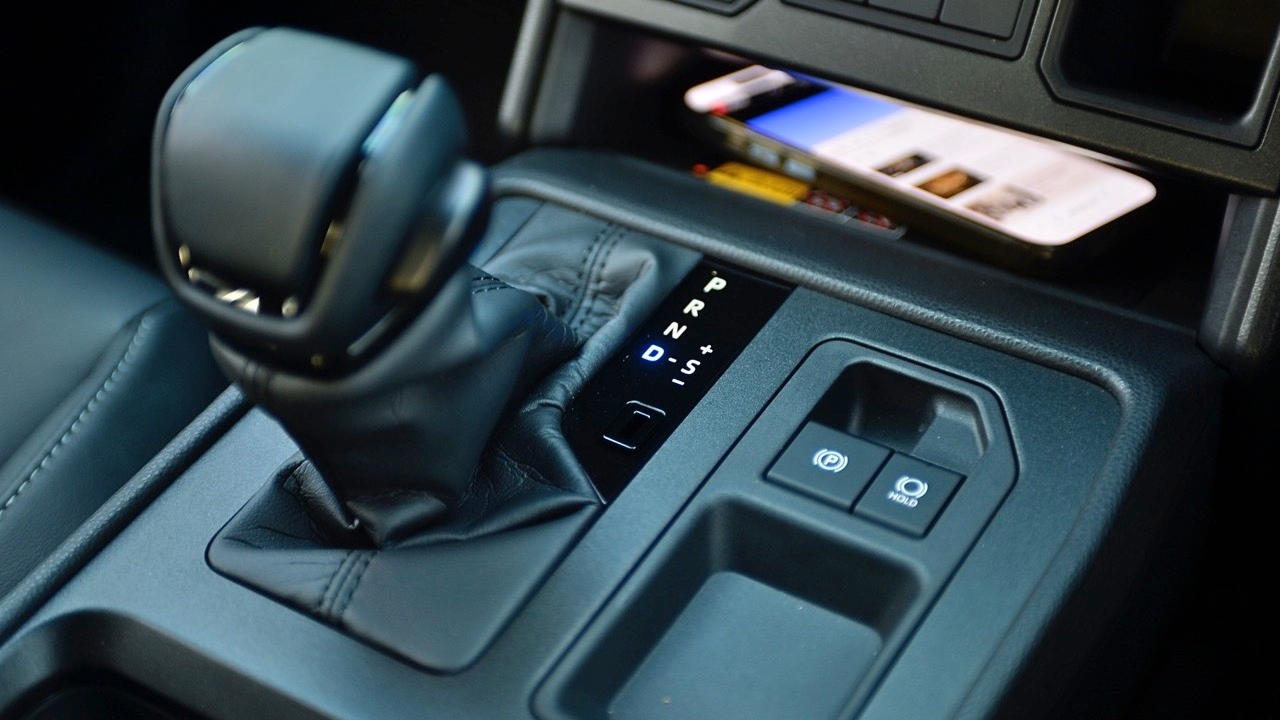
Currently, many electric and hybrid vehicles do not have a traditional "transmission" with different gear ratios for us to use. However, we must remember that many gasoline and diesel cars are still widely used. Proper care and correct use of the transmission—a vital and costly part of the car—can extend its life. Using the transmission correctly does not mean gingerly tapping the accelerator or driving so slowly that even turtles overtake you, or driving anxiously. There are ways to drive and maintain your car that keep both your mind and wallet at ease with balance.

I won’t take you through the history of automatic transmissions back to Archimedes inventing launch control for horse-drawn chariots in ancient Greece, nor explain the engineering principles. Let’s just understand that the automatic and CVT transmissions we refer to are those found in most cars today—not including hybrids or EVs that don’t have traditional gearboxes. From my observations, about 80% of younger relatives and friends already drive correctly. The truth is automatic and CVT transmissions prefer a balanced approach to driving, somewhat like some of our bosses who dislike anything too slow and drawn-out or any surprises—such as suddenly flooring the pedal repeatedly for aggressive kickdowns.

So, the first secret to making these transmissions last longer is to accelerate only as much as necessary. For example, if you’re on a two-lane road overtaking a large truck on a hill, it’s understandable to prioritize your safety over worrying about the transmission. Just don’t stomp on the accelerator unnecessarily. Doing so earns you one point for saving the transmission. But that doesn’t mean you should never kick down and fear damaging it. Modern transmissions often have manual shift modes (to increase or decrease gears). Avoid stomping the pedal but don’t simply shift into fifth or sixth gear and lug the engine uphill—that’s not good either.

Returning to the point that transmissions like balance: using a high gear at low RPMs uphill or during overtaking, hoping the transmission won’t fail or that it will save fuel, is incorrect. Lower gears provide better pulling power uphill or when overtaking. Higher gears allow for higher speeds during travel. For instance, accelerating from 50 to 80 km/h in third gear versus sixth gear—the latter causes more strain on the engine and transmission because the low gear ratio reduces engine power reaching the wheels. You can observe that accelerating from 50 to 80 at the same throttle in third gear takes less time. This means less strain and quicker overtaking. Engines running slightly higher RPMs—up to about 4,500 in gasoline cars or 3,500 in diesel—remain comfortable. The gears and transmission parts also endure less stress.

Manually shifting gears may contribute somewhat to internal wear, but if done only when necessary, such as on hills, modern automatic and CVT transmissions have very intelligent control units that protect the transmission’s health. They are far better than automatics from 30 years ago. Back then, the transmission and engine operated more independently, with limited communication. Modern cars’ transmissions constantly coordinate with the engine behind the scenes.

You can manually shift when needed, but when accelerating, increase the throttle gradually to the desired point. Avoid downshifting and then flooring the pedal abruptly. Use the middle path. If you want to accelerate quickly on a flat road, press the accelerator quickly to about 50% for a kickdown. Then, if you want to increase speed further, slowly raise the throttle from 50% to 75% over about two seconds. Try this method: a quick initial kickdown followed by a gradual increase in throttle. This approach is useful for overtaking or accelerating, not for constant use.

If you suddenly get bored of my advice and want to ruin your transmission quickly, it’s easy. Transmissions like balance but dislike surprises and pressure. Try revving the engine high in neutral, then quickly shifting to drive with a screech, or hold the brake with your left foot while flooring the accelerator with your right, and release the brake suddenly to launch hard. This stresses the transmission heavily because the wheels try to turn while the brakes hold them back. If you do this with certain CVT models (except Subaru WRX CVT), a few attempts might cause the belt to break, leading to costly repairs—like a love affair gone bad.

For city driving, if you have the habit of repeatedly pressing and releasing the accelerator in short bursts, stop. The transmission dislikes this, and passengers might feel nauseous. This isn’t about aggressive driving but about drivers who constantly tap the accelerator as they drive. Also, when stopping briefly, there’s no need to shift from D to N every time. You can keep the gear in D while braking, especially at intersections with countdown timers. My rule of thumb: if the stop lasts less than 60 seconds, keep it in D; if longer, shift to N. Contrary to some beliefs, pressing the brake in D doesn’t cause rapid transmission wear because as long as the accelerator isn’t pressed, the transmission isn’t under load and has mechanisms allowing the drivetrain to rotate freely. So shift to N only if stopped longer than 60 seconds.

Also, don’t shift to N to coast as you approach a stop—it doesn’t save the transmission or fuel. If a truck loses its brakes behind you, you’ll want to swerve and accelerate quickly, and shifting back to D wastes time. Modern cars have a coasting function controlled by the computer, managing transmission fluid and allowing the car to coast naturally. Try selecting the Economy or fuel-saving mode on your car; some models let the car coast further when you lift off the accelerator near slowing down (though not all cars behave this way).

Following these principles alone can significantly extend your transmission’s life. Another equally important factor is maintenance, which isn’t difficult. Modern cars are smart but secretive; checking transmission fluid with a dipstick like older cars isn’t possible in many models—some lack dipsticks entirely, and some don’t allow checking via the central display. So forget about daily fluid checks like your uncle’s old car. Simply follow your vehicle’s manual and have the transmission fluid and filter changed at the recommended intervals.

My colleague and I typically recommend changing the transmission fluid every 40,000 kilometers. This doesn’t mean you must strictly not exceed 40,000 km—it’s okay to go a bit beyond. Some models can use fluid longer. From my experience reading manuals and studying fluid lab tests, in humid and frequently flooded countries like Thailand, transmission fluid deteriorates faster. Trust us—no transmission lasts 10 years or 200,000 km without fluid changes. If you change your fluid every 40,000 km, the fluid may not be perfectly fresh, but frequent changes reduce moisture and metal dust in the fluid, extending transmission life and maintaining performance.

When changing transmission fluid at your service center, they have the proper equipment. Outside service, methods include draining from the transmission pan, draining from a designated plug, or suction and refill. This saves time and money but leaves about one-third of the old fluid in the system. For detail-oriented people, there is a flushing service that forces fresh fluid through the transmission, removing more old fluid until the output runs clear. This method removes more fluid but costs more. Is it necessary? For most people, no.
Also, when checking the radiator fluid in the morning, look for any oily or chemical-like rainbow sheen on the coolant at the neck. If while driving, shifting gears, or pressing the accelerator you notice a 1-2 second delay before the car suddenly jerks forward, this indicates coolant leaking into the transmission fluid. This leak occurs where the transmission fluid is cooled by the radiator. European cars are more prone to this, and high water crossings can flood the transmission breather tube, causing water ingress. If you notice this, take your car to a workshop or service center immediately; do not continue driving.
Another symptom to watch for is delayed engagement when shifting into reverse. If, after selecting R, the car takes more than 2 seconds to start moving backward, it likely indicates real wear in the transmission components. Prepare to have your transmission inspected and repaired.
That’s essentially all there is to know about automatic transmissions in modern cars. If you remember and follow these guidelines, you can extend your transmission’s lifespan.
Pan Paitoonpong