

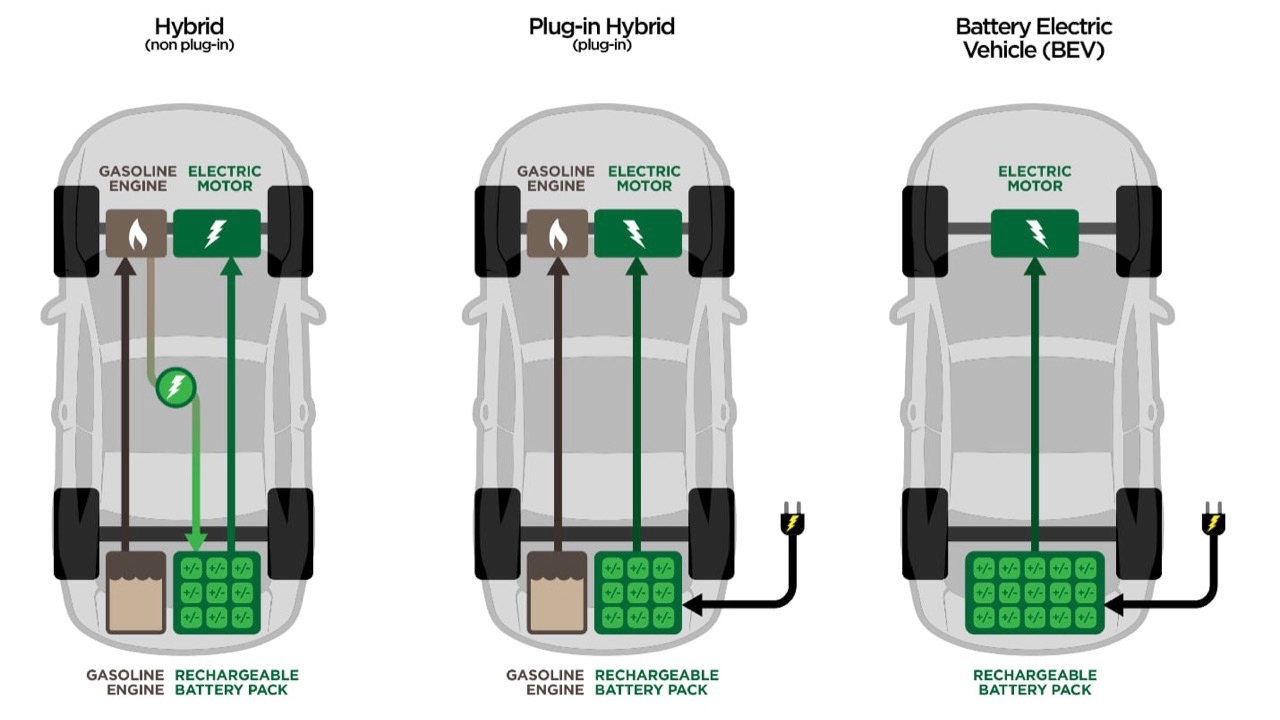
When comparing electric vehicle types—HEV (Hybrid), PHEV (Plug-in Hybrid), and EV (fully electric)—using international accident statistics and insurance research (such as data from NTSB and leading research institutes), the group with the highest risk of fire may surprise many.

Rank 1: Hybrid vehicles (HEV and PHEV) have the highest fire risk. Why is this the case? According to statistics on fire incidents per 100,000 vehicles, hybrids—both plug-in and non-plug-in—record the highest fire occurrences among all vehicle types, exceeding those of conventional gasoline cars and EVs by several dozen times.
Why the greatest risk? Hybrids combine two worlds with inherent risks: a gasoline system—which is highly flammable and volatile as previously discussed—with hot exhaust pipes, plus a high-voltage electrical system and lithium-ion batteries. This creates a highly complex drive system with many components, numerous wires, and fuel lines passing near electrical parts. The risk at connection points rises accordingly. In the event of a collision or a thermal management failure, chemicals from the battery and fuel can act as mutual accelerants.


Rank 2: Fully electric vehicles (EV / BEV) might seem more intimidating, but they actually have the lowest risk of fire in terms of frequency or likelihood. EVs score the lowest fire incident numbers in this group, clearly lower than hybrids and gasoline cars, because they lack flammable liquid fuel, do not have exhaust pipes reaching hundreds of degrees Celsius, and their battery packs are designed with very robust safety systems.

However, a cautionary note: although EVs are least likely to catch fire, their fires are rated the most severe and dangerous. If the battery sustains serious damage causing an internal short circuit (thermal runaway), it generates its own heat and oxygen, leading to intense fires that are difficult to extinguish and require much more water than conventional vehicle fires to control the temperature.
Summary of risk ranking (from most frequent to least frequent incidents):
High risk: HEV / PHEV (Hybrid) due to combined gasoline and electrical systems and high complexity.
Low risk: EV (100% electric) with the least frequent fire occurrence but the most difficult to extinguish if a fire occurs.

HEV, PHEV, and BEV are different types of electric vehicles with varying levels of electric energy use. Below is a brief overview of each type, including technology, advantages, and disadvantages.
1. HEV (Hybrid Electric Vehicle)
- Technology: Combines an internal combustion engine (ICE) with an electric motor and a small battery.
- Advantages
- More fuel-efficient than conventional vehicles.
- Regenerative braking system helps recharge the battery.
- No range anxiety since it does not rely solely on the battery.
- Disadvantages
- Limited driving range using electric power alone.
- Higher price than conventional cars.

2. PHEV (Plug-in Hybrid Electric Vehicle)
- Technology: Combines an internal combustion engine (ICE) with a larger battery that can be charged from external power sources.
- Advantages
- Longer electric-only driving range, reducing fuel use.
- Lower emissions and better fuel economy when driving in electric mode.
- Flexibility to use both electric power and combustion engine.
- Disadvantages
- Higher upfront cost due to larger battery size.
- Limited charging infrastructure may affect convenience.

3. Battery Electric Vehicle (BEV)
- Technology: Powered solely by electric motors driven by a large battery pack.
- Advantages
- Zero emissions, reducing environmental impact.
- Lower operating costs due to less maintenance and no gasoline.
- Potential to use renewable energy sources for charging.
- Disadvantages
- Driving range is limited compared to conventional vehicles.
- Charging takes longer than refueling a gasoline car.
- Dependent on the availability of charging infrastructure.