

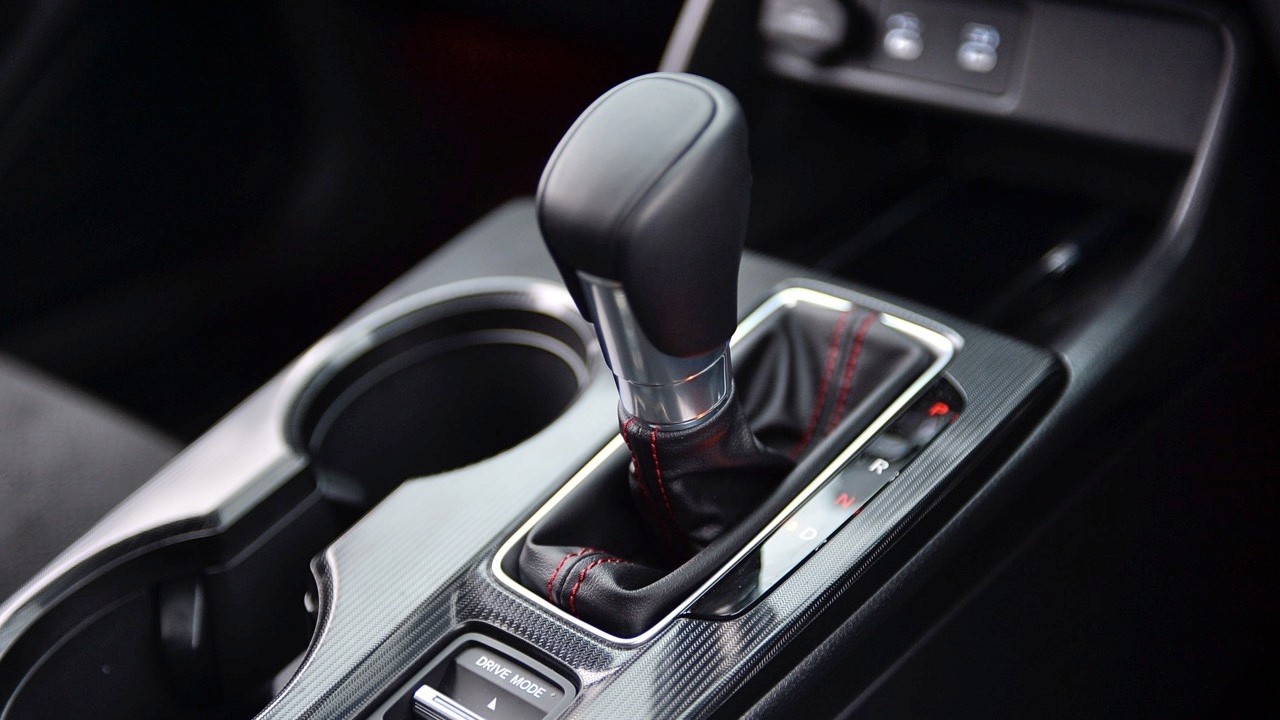
Driving an automatic car aggressively in the city—constantly stopping and going, frequently kickdown shifting (sharp torque surges), and enjoying short bursts of speed—causes higher than normal heat buildup in the transmission system. This is considered a Severe Condition or extreme heavy use for the costly automatic transmission, often overlooked by drivers. In this case, it is advisable to forget the typical 40,000 or 100,000 kilometer intervals recommended by service centers. To preserve the transmission's longevity, changing the transmission fluid according to this adjusted interval is definitely better.

Recommended interval for automatic cars used in city traffic (heavy congestion).
Every 25,000 to 30,000 kilometers or one year, whichever comes first. Changing transmission fluid at 25,000 kilometers may seem early, but it is a safe zone for heavy-footed drivers who enjoy spirited driving with frequent speed changes but short distances. Frequent kickdowns cause intense clutch plate friction inside the transmission, producing fine metal particles and generating excessive heat, which rapidly degrades the transmission fluid's molecular structure.
Why change fluid so soon? It costs several thousand baht, and some European cars require even more for a full fluid change.... Remember, heat is the enemy of powertrain systems, both engine and transmission. City driving with stop-and-go traffic means no airflow cools the oil cooler. If you add spirited driving and frequent kickdowns for fun, transmission fluid temperature can easily spike to 100°C, thinning the fluid so much that the lubrication film cannot withstand pressure.

Clutch wear begins during extreme heat. Each kickdown forces rapid gear ratio changes under massive torque—400 to 600 Newton-meters in high-performance European cars—which is thrilling but causes clutch dust and metal particles to contaminate the fluid. If left unchecked, these particles clog the transmission’s valve body, causing gear jerks or failures.
Bangkok’s traffic conditions make automatic transmissions work harder. Although the odometer may show 20,000 km, the engine’s running hours in stop-and-go traffic can equal driving 50,000 km on highways.

Why change fluid early?
Heat and frequent kickdowns cause high friction in the clutch packs and torque converter, rapidly raising transmission fluid temperature. The fluid may overheat, oxidize, and degrade much faster than during steady highway driving.
Metal debris from torque surges damages the transmission. Aggressive driving and frequent high-RPM gear shifts produce more clutch dust and metal particles than usual. If not removed promptly, these will clog the valve body, leading to gear slips or failures.
City traffic congestion with frequent stops and long idling means the oil cooler lacks airflow to dissipate heat, yet the transmission fluid must keep circulating. This reduces lubrication efficiency.

Don’t believe the claim that this transmission is "lifetime fluid" and never needs changing. From an engineering standpoint, "lifetime" refers to the warranty period—about 100,000 km—after which transmissions often fail. Repair or replacement costs far exceed the price of fluid changes, especially with expensive units like the new ZF8 transmissions, whose replacement bills can be shocking.
Install an external oil cooler if you really like to drive fast. A separate transmission oil cooler helps keep temperatures below 80–90°C, clearly extending transmission life. Use only genuine or high-grade transmission fluid specified for your model. Strictly follow the recommended fluid standards and never use the wrong type, especially for CVT transmissions, which are highly sensitive to fluid quality.
Avoid random high-pressure flushing. If the transmission starts slipping, high-pressure flushing can push debris into critical areas. It is safer to perform frequent regular fluid changes instead.
Choose premium transmission fluids after your warranty expires. Fully synthetic fluids that tolerate higher temperatures than typical dealer fluids can improve shift smoothness during kickdowns.
The takeaway: spending a few thousand baht on fluid changes is better than paying hundreds of thousands to replace a transmission. You can drive fast but must take good care of your car!