

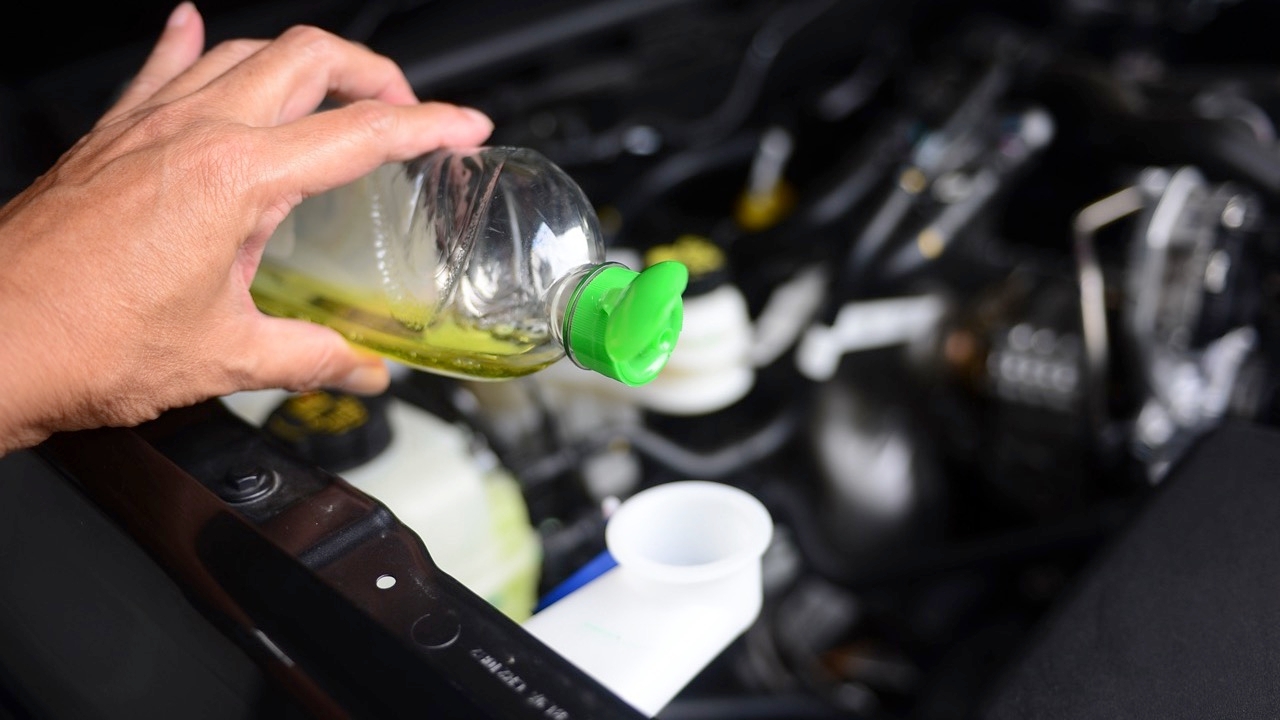
Some people use dishwashing liquid in their windshield washer reservoir thinking it will clean the glass as clearly as freshly washed dishes. Insects leave protein and fat stains that obstruct the windshield’s view at night when driving through fields. Swarms of insects attracted to headlights hit the windshield, prompting drivers to use wipers and washer fluid mixed with dishwashing liquid for better cleaning. This practice has sparked endless debate among car enthusiasts; some claim they’ve used it for years without issues and find it effective, while others warn it causes severe damage. So, what are the long-term effects of adding dishwashing liquid to windshield washer fluid?
Examining this deeply from the perspectives of dishwashing liquid chemistry and automotive engineering, the benefits and drawbacks of mixing dishwashing liquid or shampoo into windshield washer fluid involve some key points to consider.

Benefit (which is only one):
It effectively removes grease. The main function of dishwashing liquid is to break down grease. When driving long distances, encountering oil stains on roads, diesel soot, or at night passing through farms where millions of insects splatter against the windshield, plain water often just smears the grease, making the glass foggy. Dishwashing liquid helps cut through grease, allowing wipers to remove dirt easily and restore clear visibility quickly.

Drawbacks:
1. Chemical corrosion of rubber and plastic parts. Dishwashing liquid is formulated for washing hard materials like ceramics, glass, and stainless steel. However, its chemicals are too harsh for car parts. When sprayed mixed with water onto the windshield, the liquid runs down and accumulates on rubber seals, washer fluid hoses, and wiper blade rubber. Over time, it extracts elasticity from the rubber, causing window seals to harden and crack prematurely, rubber parts to degrade faster than normal, and wiper blades to stiffen, resulting in skipping and noise during wiping.

2. Reservoir and washer motor clogging due to sediment buildup. This is a common failure point. Dishwashing liquid mixed with water and left in the reservoir exposed to engine heat over time forms thick gel-like deposits that clog the washer pump filter and tiny spray nozzles on the wiper arms. Once clogged, forcing the system to spray overworks the pump motor, eventually causing it to burn out and fail.

3. Reduced visibility from foam and white haze. Dishwashing liquid produces dense foam. If mixed too concentratedly, spraying at speed causes white foam to cover the windshield, immediately obstructing the driver’s view. After wiping, chemical residues leave a sticky film on the glass surface. During drizzle or when headlights shine at night, this film creates a white haze that reflects light dangerously and impairs vision.
4. Damage to paint coatings and glass treatments. Cleaning agents in dishwashing liquid have a higher alkaline or acidic level than typical car wash products. When sprayed and running onto the car’s paintwork, especially on roofs and hoods exposed repeatedly to sunlight, they can etch the paint’s lacquer layer causing stains that cannot be wiped off. Additionally, these chemicals strip off water-repellent coatings like Rain Repellent treatments from the glass.

For the safest and best results, use pure water—preferably drinking or filtered water to prevent mineral deposits—mixed with dedicated windshield washer fluid at the ratio specified on the bottle. These fluids use isopropyl alcohol-based cleaners that evaporate quickly, leaving no residue or gel buildup. They also contain lubricants that preserve the rubber of wiper blades directly.
If you must use dishwashing liquid, add only 1–2 drops per full reservoir, never a large amount. This minimal quantity provides surfactants to break grease without concentrating enough to damage rubber parts or paint.