

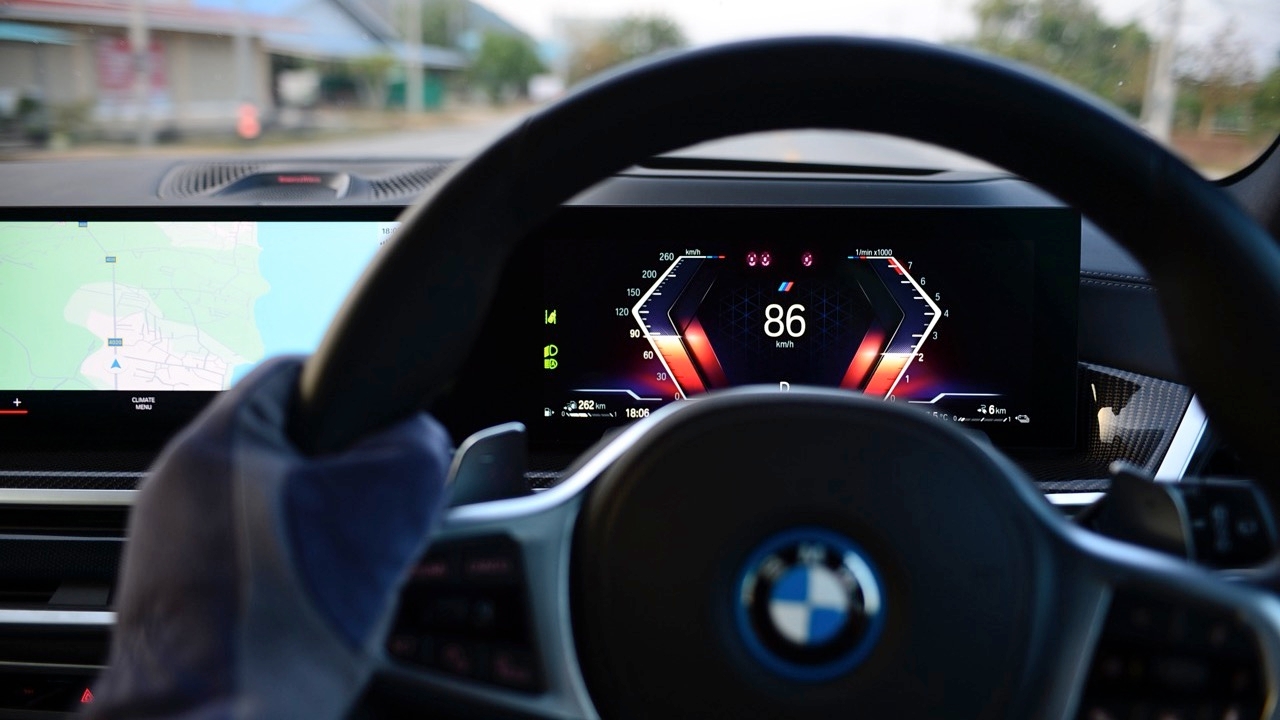
Entering retirement age, around 60-65, after a lifetime of working from youth with good eyesight and sharp focus, the human body and reaction times naturally change with age. This is an unavoidable part of nature. However, for seniors who still enjoy driving and need to use their cars daily—whether going out to eat, socializing with friends, or taking long trips for leisure without other burdens besides maintaining their health and peace of mind—adjusting their "mindset" and driving behaviors to align with their changing physical condition is crucial. This is the key to driving safely while preserving dignity and confidence on the road.

Guidelines for seniors to adjust their driving habits to ensure every trip is safer and more enjoyable.
1. Adjust speed and reduce rushing.
Drive at a consistent speed. Retirement means the rush of work life is over. Naturally, vision isn’t the same—it might not be poor, but it has declined somewhat. Those with good eyesight are fortunate not to face vision problems. In city driving crowded with motorcycle riders all around, seniors should focus on smooth, safe driving, exercising greater caution when changing lanes, always signaling in advance, and primarily using the middle lane without habitually driving slowly in the right lane. There’s no need to frequently speed up to overtake or tailgate, which is considered rude.

The key point is reaction time. If it has slowed compared to youth, simply increase the distance from the vehicle ahead. Vision and brake response at this age may be 1–2 seconds slower than in youth, but not so for those testing media vehicles almost daily. Increasing the following distance to 3-4 seconds provides a safer stopping margin, especially for seniors switching to heavier electric or plug-in hybrid cars, which require more careful braking distance awareness.

2. Choose appropriate travel times.
Avoid driving at night. Whether young or old, night vision and tolerance for oncoming headlights diminish with age. If possible, travel during daylight with clear sunlight. Dark window tints on windshields should be reduced or removed for clearer visibility. Good vision allows the brain to make faster decisions compared to unclear sight, especially dangerous when it rains at night with 60-80% dark windshield tint—this is hazardous.

Avoid rush hour driving. Without the need to commute early for work, heavy morning and evening traffic often causes stress and fatigue. Shifting travel times to mid-morning or early afternoon can greatly reduce road pressure. Alternatively, use traffic apps or Google Maps to check conditions before traveling.

3. Plan routes in advance.
Stick to familiar routes. Driving unfamiliar roads may distract from watching signs or navigation systems, causing loss of focus on controlling the vehicle. At an older age, everything changes—even driving habits. Plan rest stops and locations ahead: on long trips, plan breaks every 1-2 hours to stretch, relax muscles, and rest eyes. Avoid pushing through long drives without breaks.

4. Adjust ergonomics and vehicle equipment use.
Set seat position for maximum visibility. Adjust the seat height to have the widest possible forward view and to comfortably and firmly reach pedals without stretching.
Use technology as needed and safely. New cars often have complex touchscreens and controls that can distract. Seniors should set air conditioning, audio, and navigation before starting to drive and rely mainly on basic safety features like rearview cameras or Blind Spot Monitors.

5. Regularly check health and vehicle condition.
Have annual vision and hearing tests. Eyesight and hearing are crucial for safe driving. If problems like cataracts, farsightedness, or unclear horn sounds arise, consult a doctor promptly.
Keep the vehicle in top condition. Regularly check brakes, tire pressure, and all lights to ensure 100% readiness. A well-maintained car helps compensate for physical limitations in emergencies.
Accepting physical limits and adjusting driving style is not a loss of dignity for experienced senior drivers but rather an expression of

responsibility and professionalism. Seniority shows through carefulness and composure, shaped by life experience. Discipline on the road ensures every trip ends safely and smoothly.