

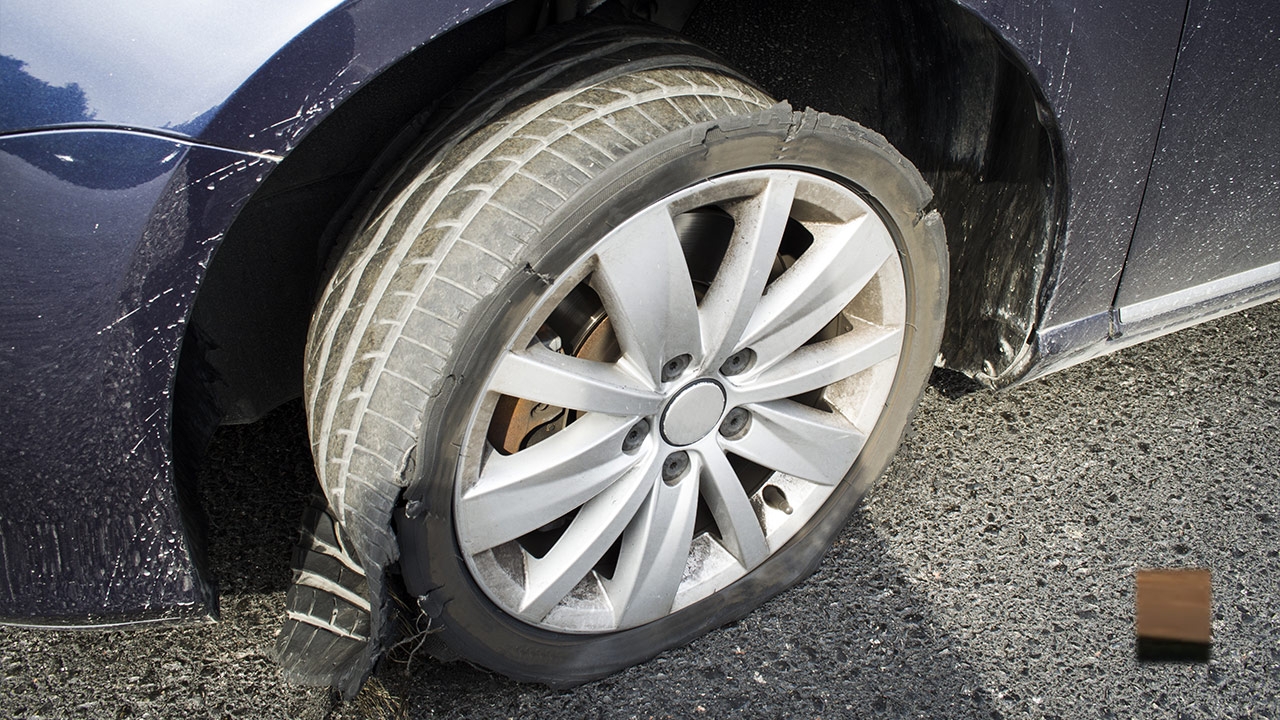
Car tires are the only part that contacts the road surface. No matter how powerful the engine or advanced the safety systems are, worn tires can increase accident risk. Here are 5 simple warning signs that it’s time to replace your tires.
How do you know when to change your car tires?
Many people focus on regular oil changes but forget to check their "car tires," which are the most crucial part for road grip. Driving with worn tires not only reduces vehicle control but also raises the chance of accidents, especially in rain or during sudden braking.
1. Tread depth less than 1.6 millimeters
Tread grooves channel water and provide road grip. If tread wears below 1.6 millimeters, grip performance drops significantly, especially on wet roads, increasing the risk of hydroplaning.
An easy way to check is to look for the "tread wear indicator" located in the tread grooves. If the tread is worn level with these indicators, it’s time to replace the tires immediately.
2. Tire age exceeds 5-6 years
Even if tread remains, rubber degrades over time, losing flexibility and reducing road grip. You can check tire age from the 4-digit code on the sidewall, for example, **2622** means the 26th week of 2022. Most manufacturers advise thorough tire inspections around 5 years and replacement around 6 years, or sooner with heavy use.
3. Cracked or bulging sidewalls
If you see crack patterns, tears, or bulges on the sidewall, it means the tire structure is damaged. You should avoid using such tires to prevent blowouts, especially at high speeds.

4. Uneven tire wear
If the inner or outer edges wear more than normal, or if the tread wears in ridges, it could be caused by
Even if you replace the tires, failing to fix these issues will cause abnormal wear on the new set as well.
5. Abnormal symptoms while driving
If you notice any of these signs, check your tires immediately. These symptoms may result from worn tires or hidden damage not visible externally.
How to maintain your tires for longer use
Don’t wait until a tire bursts or blows out to replace it, as accident costs can far exceed tire prices. Regularly checking tread depth, tire age, and sidewall condition helps maintain good road grip, confident braking, and overall safety on every trip.
Always remember, "Good tires" don’t make your car go faster but help you stop safely when it matters most.