

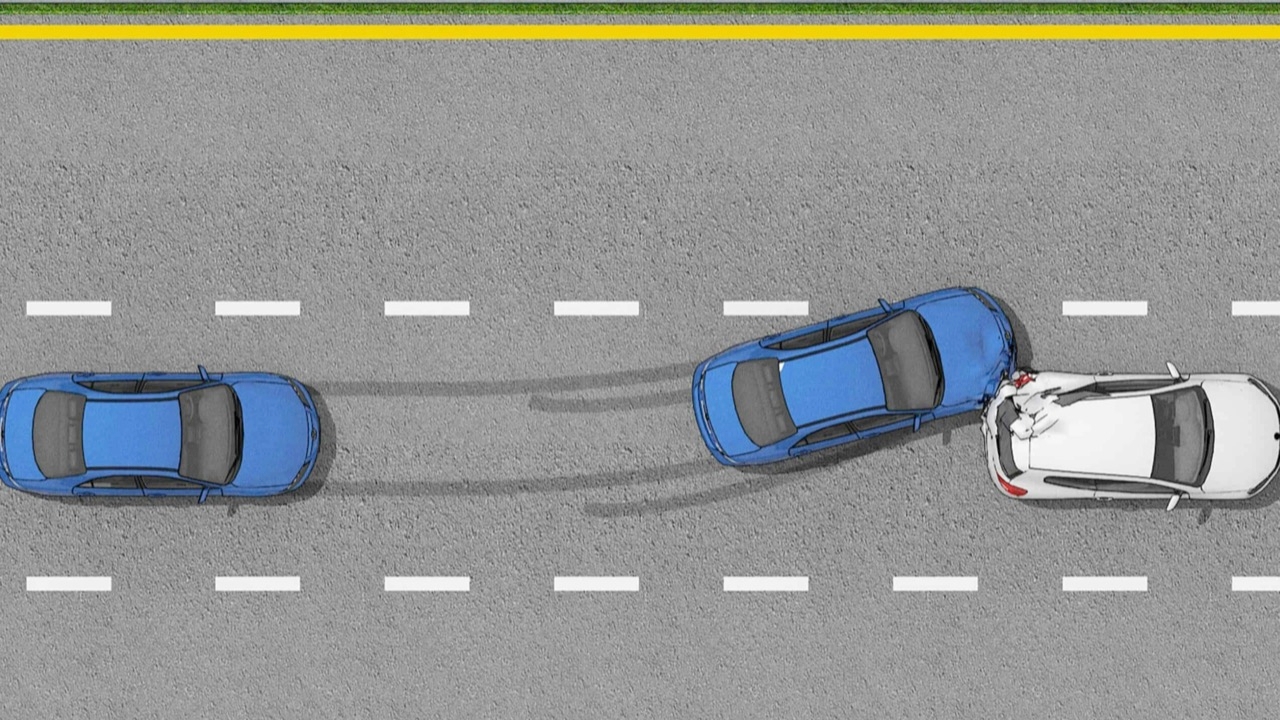
Braking distance is part of the overall stopping distance. While driving, you don’t need to brake every time you see something on the road, which could be a variable increasing accident risk. Safe braking involves analyzing and gathering information to predict what might happen and how you will handle the situation ahead, rather than driving thoughtlessly and gambling that the brakes will stop you if something cuts in front. The brief moment your brain processes and orders your foot to brake costs you half of the safe braking distance. The faster you drive, the more braking distance you lose during this thinking time.

Thinking distance and braking distance vary inversely depending on factors like speed, tire condition, road surface, weather, and your vehicle’s braking system and assist technologies. However, adjusting these distances based on driving experience and a safety-focused perspective directly affects your ability to stop in time. Loss of focus, alcohol, or drug use often cause failure to brake in time. Your physical and mental readiness before driving influences your thinking and decision-making. Drivers focused on the road decide faster than those distracted, fatigued, intoxicated, or emotionally upset. External distractions can disrupt concentration anytime. Always ensure your body is in normal condition before driving, avoid substances causing intoxication, and clear any emotional turmoil before controlling a vehicle. If you cannot, you should not drive at all.

Braking distance is part of the "stopping distance." Safe drivers don’t slam on brakes every time they see something unusual on the road. Instead, safe braking means analyzing, gathering data, and anticipating (hazard perception) what might happen ahead to respond calmly, rather than accelerating recklessly and gambling on the vehicle’s braking system holding up.
Physically, the "stopping distance" consists of two key parts working in sequence:
Thinking or reaction distance: From the moment your eyes see the event, your brain processes it and signals your foot to release the accelerator and press the brake. Under normal conditions, this takes about 0.75 to 1.5 seconds. Although it seems brief, if you’re driving at 100 km/h, during that thinking time the car travels about 28 meters before the brakes even start working. The faster you drive, the longer this lost distance grows accordingly.
Braking distance: This is the distance from when you start pressing the brake until the vehicle comes to a complete stop. It depends on the physical interaction between the vehicle’s kinetic energy, tire friction, and brake system.
Both thinking and braking distances fluctuate based on many factors: speed (doubling speed quadruples braking distance due to kinetic energy), tire condition, road surface, weather, and the condition and technology of your vehicle’s braking system.

However, reducing thinking and braking distances depends not only on vehicle technology but primarily on a safety-first driving mindset (defensive mindset) and experience in anticipating risks.
Focused attention enables the brain to process and decide to stop quickly. Conversely, distractions like mobile phone use, loud music, fatigue, emotional distress, alcohol, or drug use interfere directly with brain function, dangerously extending the thinking distance and often causing failure to brake in time, leading to severe accidents.

In summary for safe stopping: prepare your body and mind fully before sitting behind the wheel, clear emotional turmoil, avoid intoxicants, and maintain focus on the road ahead. In an emergency, "awareness and anticipation" are the best brakes to save your life and others’. If your physical or mental state isn’t ready, the safest decision is not to drive at all.
Although most drivers know speeding is dangerous, many still exceed speed limits. This raises the question: why do people take such risks despite knowing the dangers?
To understand this behavior, we must look beyond traffic signs to social values, cognitive biases, and drivers’ sense of control over situations.

Why is mere "awareness" insufficient?
Underestimating risks: Research shows many drivers don’t realize how much speeding increases accident risk. They tend to underestimate how doubling speed massively increases collision energy, so they don’t view high speed as inherently dangerous.
Self-contradiction: Surveys find nearly all drivers agree speed limits matter, but very few think they personally drive dangerously when speeding, revealing a gap between "what they think" and "what they actually do."
Knowing the rules but not following them: Studies worldwide show over 80% of drivers have exceeded speed limits, emphasizing that knowing the law doesn't guarantee compliance.

Social and psychological triggers for speeding:
Social norms of "everyone else does it": When drivers see others speeding, they’re likely to follow suit. The belief that "everyone else is fast" strongly predicts personal speeding, so changing this behavior requires shifting societal norms, not just targeting individuals.
Overconfidence: Many mistakenly believe their driving skills are good enough to handle high speeds, excluding themselves from risk. This "it won’t happen to me" attitude undermines safety campaigns.
Time-saving bias: Drivers often overestimate how much time they save by speeding, especially at high speeds, using this as justification to accelerate despite the actual time saved being minimal.
Road environment and vehicle factors also influence speed choices. Road design, engine performance, and law enforcement strictness affect decisions. People choose speeds based not just on posted limits but on "feeling safe," surrounding traffic speeds, and chances of getting caught.
Safe braking isn’t about slamming the pedal every time something unusual appears but mastering the skill of "reading and anticipating" traffic conditions ahead to assess risks in advance, instead of recklessly accelerating and gambling that your vehicle’s advanced brakes will save you.

Physically, the true "stopping distance" includes two connected parts:
1. Thinking or reaction distance: From the moment your eyes see an event, your brain processes it and signals your foot to move from the accelerator to the brake. For most people, this takes about 0.75 to 1.5 seconds. It may seem quick, but at 100 km/h, during that thinking time your car travels 28 meters before the brakes even engage. The faster you drive, the greater this lost distance.
2. Braking distance: This is the distance from when your foot presses the brake until the vehicle stops completely. It depends purely on physics—kinetic energy, tire contact, and brake effectiveness.
Both thinking and braking distances are variable, influenced by speed (remember, doubling speed quadruples braking distance), tire condition, road surface, weather, and your vehicle’s driver-assist technologies.
But what saves lives and shortens stopping distance most effectively isn’t your vehicle’s high-tech systems but your own safety awareness (defensive mindset) and focus.
Concentration on the road allows your brain to respond quickly. In contrast, distractions like looking at your phone, daydreaming, drowsiness, anger, alcohol, or drugs extend your thinking distance and are major causes of severe crashes often seen on roads.
Before starting your engine and sitting behind the wheel, check your physical and mental readiness, clear irritation, avoid intoxicants, and maintain focus on the road ahead. In real emergencies, "awareness and anticipation" are the world’s most effective brakes. But if you’re not ready physically or mentally, choosing not to drive is the safest decision.
Arkom Rumsuwan
E-Mailchang.arcom@thairath.co.th
Facebookhttps://www.facebook.com/chang.arcom
https://www.facebook.com/ARCOM-CHANG-Thairath-Online-525369247505358/