

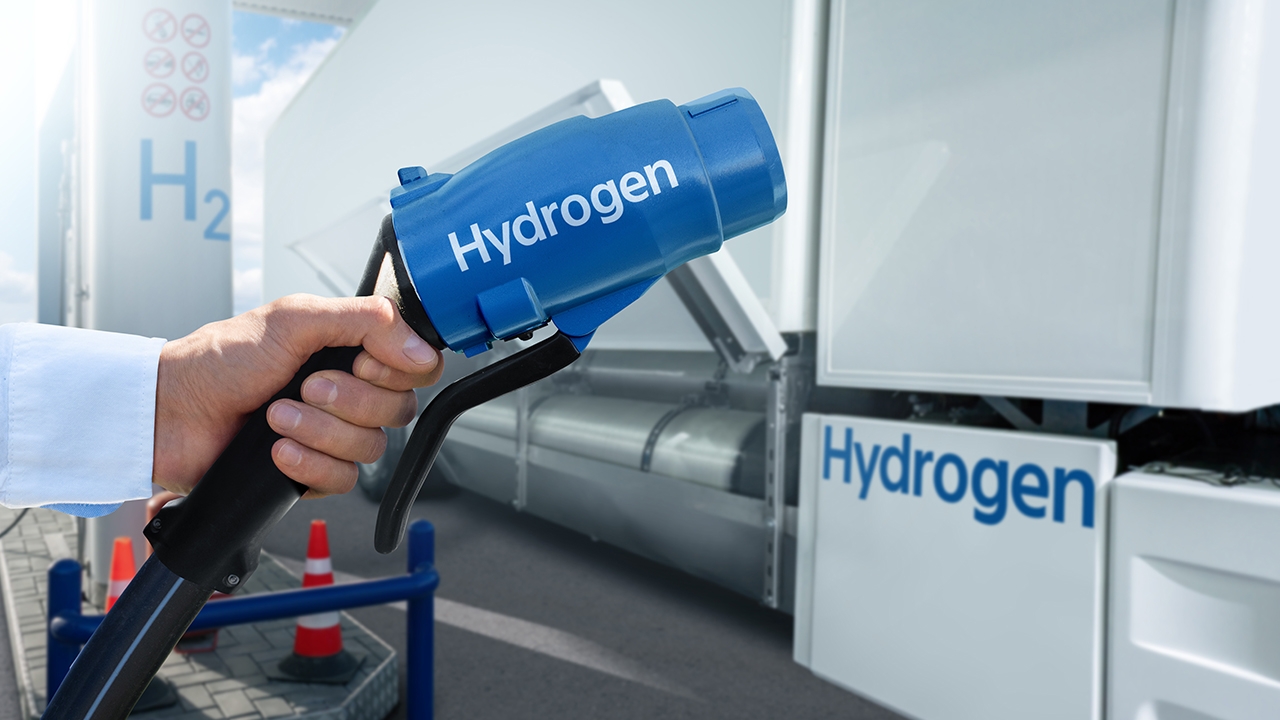
Toyota has partnered with Volvo Group, Daimler Truck, Bosch, and energy allies to accelerate the creation of a hydrogen truck ecosystem in Europe, spanning fuel production, refueling stations, and vehicle manufacturing. The goal is to reduce costs to compete with diesel and use Germany as a model for regional expansion by 2030.
Toyota Motor Corporation announced a collaboration with leaders in the automotive and energy sectors to accelerate hydrogen vehicle adoption in Europe, focusing on developing a full ecosystem that covers hydrogen production and delivery, refueling station construction, and hydrogen-powered truck development.
This collaboration was unveiled at the IAA Transportation event, featuring key partners including Volvo Group, Daimler Truck, Toyota Motor Corporation, Bosch, Air Liquide, TotalEnergies, TEAL Mobility, and MB Energy.
The alliance stated that Germany is the first European country to begin establishing key components to support a large-scale hydrogen truck market by 2030, backed by German government support and leading industrial companies across the value chain.
However, expanding this model across Europe requires aligned support from each country's governments and the European Commission to ensure energy security and maintain the industry's long-term competitiveness.
Industry views hydrogen as an additional option to complement battery electric vehicles (BEVs) in meeting the European Union's carbon reduction goals, especially for trucks covering long distances, carrying heavy loads, needing short refueling times, and requiring operational flexibility.
Currently, Daimler Truck customers have tested fuel cell trucks over nearly 600,000 kilometers, and the company plans to deploy 100 new-generation fuel cell trucks for commercial use starting late 2026.
Simultaneously, Daimler Truck is preparing to launch hydrogen combustion engine trucks next year, with planned investments in hydrogen trucks reaching several hundred million euros through the decade's end.
Volvo Group is also advancing hydrogen energy technologies, including both fuel cell trucks and hydrogen combustion engine trucks, aiming to bring them to market around 2030.

Toyota takes on the role of technology partner.
Toyota will participate as a technology partner to support expanding hydrogen mobility systems, leveraging over 30 years of experience in developing and supplying fuel cell systems to drive the project forward.
Bosch will supply key components for hydrogen gas-powered vehicles; its fuel cell systems have been proven over 30 million kilometers of real-world use, and it is developing refueling technologies for both liquid and gaseous hydrogen.
For infrastructure, Volvo Group and Daimler Truck will collaborate with energy producers and suppliers such as Air Liquide, TotalEnergies, and MB Energy, as well as station operators MB Energy and TEAL Mobility, to expand the hydrogen supply chain in both gaseous and liquid forms.
These partners plan to invest in developing large hydrogen refueling stations capable of serving up to approximately 100 trucks per day, linked to growing renewable hydrogen production for industry under Europe's RED III regulation.
A critical condition for transport operators to accept hydrogen is that its price must compete with diesel. The cooperation between the German government and industry will drive this through three main approaches:
1. Lower truck costs via incentives and mass production.
2. Reduce hydrogen sales prices to compete with diesel through an efficient supply chain and greenhouse gas quota mechanisms.
3. Implement operational support measures, such as toll exemptions for zero-emission trucks.
Business demand is already signaling strong interest after Germany's NOW support program received applications exceeding its budget, with industry firms applying for support for over 70 high-capacity hydrogen stations and approximately 800 large trucks, reflecting logistics sector enthusiasm.
Industry leaders call on national governments and the European Commission to scale Germany's model continent-wide, aligning budgets for vehicles and refueling stations, creating toll incentives, and reducing risks throughout the supply chain—from production, liquefaction, and transport to vehicle deployment.
This collaboration aims to promote zero-emission freight transport, enhance European industry competitiveness, ensure energy security, preserve jobs, and reduce carbon emissions from the transport sector over the long term.