

The issue known as "the charger and car fail to communicate," or what EV users call a "Handshake failure" (Handshake Error / Charging Error), is among the most frequent problems. Setting aside basic issues like invalid key cards, loose handshake locks, or insufficient app credit, what technical reasons cause the charger’s computer system and the car’s control unit to fail to communicate?

Communication protocol conflicts (Protocol/Software Mismatch) are a leading cause, especially with new cars or chargers that have just updated software. If standards don’t match, it’s like speaking different languages. Electric vehicles, particularly with CCS2 or ChAdeMO connectors, must communicate with chargers via standard protocols like ISO 15118 or DIN 70121 to negotiate voltage and current requirements. If either charger or car software is too old or too new, the codes sent are misinterpreted, causing the system to shut down immediately for safety, resulting in red error lights on the charger or the display freezing at the Connecting stage.

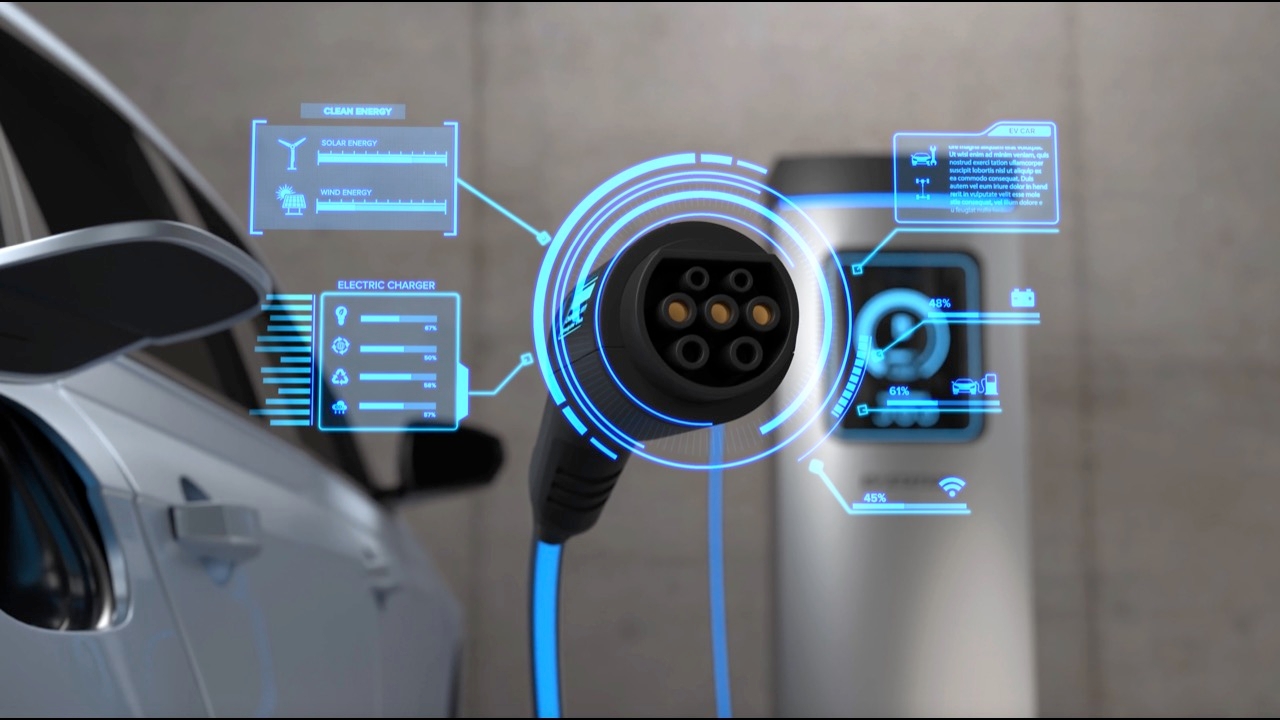
Problems with the Pilot Line signal occur at the charging nozzle, which contains small pins called CP (Control Pilot) and PP (Proximity Pilot). These send square wave signals to verify connection status. If the contact points are dirty, damaged, dusty, humid, or if the brass pins inside the charger nozzle or car socket are bent, the low-voltage signal on the CP pin may fail to reach or have altered resistance. This prevents the car and charger from recognizing that the plug is securely connected enough to safely deliver high current.
Internal cable breaks in the DC charging cable are common because public charging cables are large and heavy. Frequent pulling, dragging, or being driven over can cause the thin signal wires inside to break intermittently, disrupting communication signals.

An incomplete grounding system at the charging station is another issue. Before delivering 400V–800V to the car, the EV’s safety system checks the charger’s Earth Ground. If the grounding wire is loose, there is leakage current, or the grounding resistance exceeds the sensor’s safety threshold, the car will reject the current to avoid electric shock risk. This causes the charger and car to fail to finalize their communication.

Insulation resistance below required standards also causes failures. Before charging, the charger and car send low-voltage test signals to check for insulation faults, ensuring no current leaks to the vehicle frame. If the station is damp (such as after heavy rain) or the nozzle is wet, insulation resistance may drop below acceptable levels. The charger or car's safety system will immediately cancel the process, cutting the connection at the initial communication stage.

Electromagnetic interference is another cause. DC Fast Charge stations have large power converters that produce strong electromagnetic fields. If the charging cable’s shielding is inadequate, these fields can disrupt the digital signals exchanged between the car and charger, corrupting data packets. The car cannot interpret commands and will stop charging midway.


To fix this issue, try turning off the car, locking it, and stepping away for 1–2 minutes to allow the vehicle’s ECU to enter sleep mode and clear its cache. Then reset the charger if possible, or switch to another charger, and start the connection process anew by plugging in again to initiate a fresh handshake.