

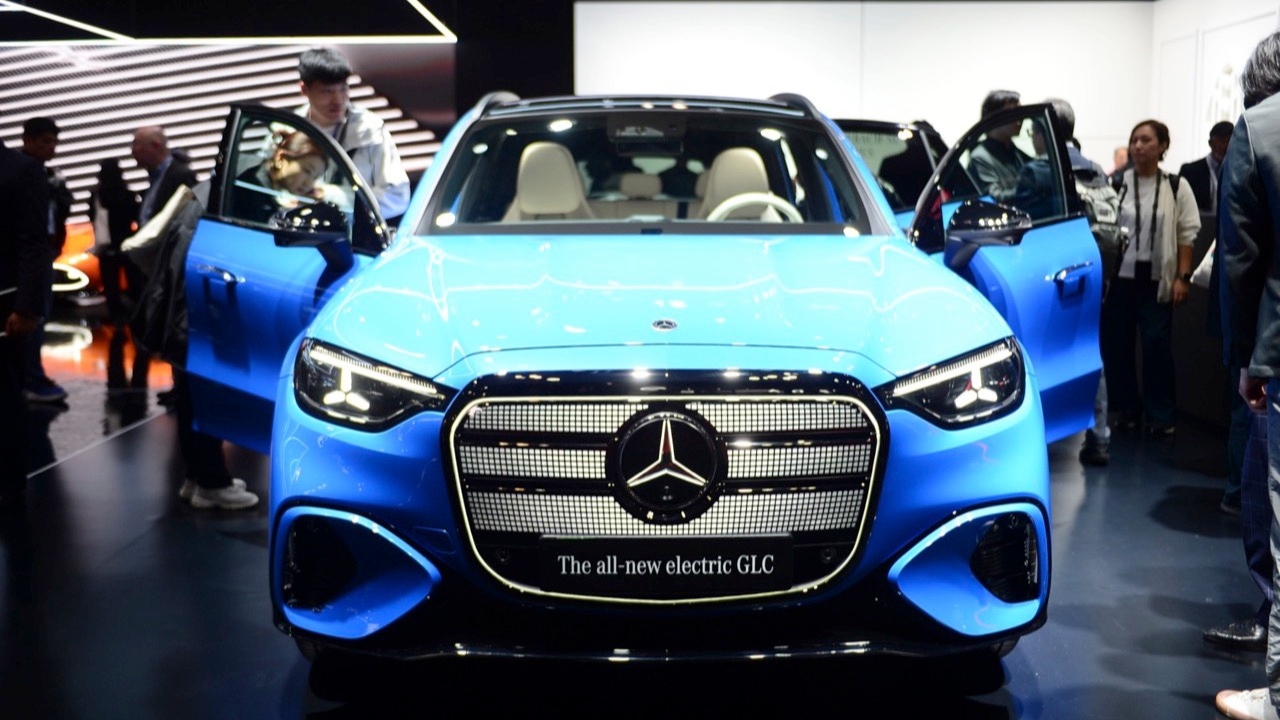
This is the new GLC Electric, officially named Mercedes-Benz GLC with EQ Technology, though PR from the three-pointed star brand prefers to use "Electric" instead of "EQ" for clearer identification with their new electric models. This mid-size SUV is positioned to challenge the BMW iX3, named the 2026 Car of the Year by Top Gear magazine. The all-electric new GLC is a critical model because the combustion-engine GLC—both petrol and diesel variants—is Mercedes-Benz's best-selling vehicle worldwide and popular among Thailand's wealthy. After the brand recovered from initial setbacks with models like the EQS, EQE, and EQC, and successfully launched the new CLA Electric, expectations for the GLC Electric are very high.

The design details of the new Mercedes-Benz GLC Electric's headlights, grille, and taillights clearly showcase the latest design language from the three-pointed star brand, emphasizing an illuminated signature to assert its technological edge over competitors.

The headlights feature a three-pointed star shape as the signature. The key highlight is the Daytime Running Light (DRL) inside the newly designed housing, forming a three-dimensional three-pointed star pattern, the new signature for this generation of electric vehicles. The top-tier DIGITAL LIGHT technology is marked by small silver lettering on the side of the housing. The upper edge of the headlamp is detailed with a chrome trim engraved with "MERCEDES-BENZ." The smoked glass effect housing contains a large spherical projector lens capable of projecting symbols onto the road surface.

The grille features a pixel pattern with 942 light points, forming a large iconic grille. Its surface uses a smoked-glass-effect lattice structure—dark tinted glass embedded with many backlit square dots arranged in a futuristic digital grid. The grille is framed by LED contour lighting, with two solid black horizontal stripes flanking a large central three-pointed star logo. Both the large star emblem and the inner edge stripe incorporate a white-purple glowing animated light show.


The taillight graphics also feature the three-pointed star. The full LED rear lights have glowing circular graphics inside the housing that hide two red three-pointed star symbols on each side, totaling four at the rear. A seamless light bar connects the left and right sides with a solid LED strip passing through a glossy black panel at the center, where a chrome star logo sits, emphasizing the vehicle's width in typical SUV style. Below the right taillight is a 4MATIC badge clearly indicating the all-wheel-drive system. This design replaces traditional chrome with digital lighting, creating a clean yet high-tech luxury appearance.
The GLC Electric shares most components with the CLA but is the first model built on the new MB.EA-M platform, where M stands for Midsize under the Mercedes-Benz Electric Architecture (MB.EA). This platform is also used for the new all-electric C-Class.
The PR from this historic German luxury brand states the vehicle is built with a Built Electric-First concept, focusing on electric vehicles initially while preparing for varied powertrains to meet different customer needs. This means future versions could include hybrids, gasoline, or possibly diesel variants in some markets, following the approach used in the new CLA. However, at launch, only the 100% electric version is available. The new GLC Electric matches or exceeds the battery capacity of the BMW iX3 in terms of range, clearly targeting the blue-and-white propeller brand.

At launch, Mercedes-Benz offers only one model: the GLC 400 4Matic, powered by dual electric motors delivering 483 horsepower with all-wheel drive. The front motor automatically disengages when not needed to conserve battery power. The GLC Electric uses a two-speed transmission on the rear axle to improve energy efficiency. The usable lithium-ion battery capacity is 94 kWh. The claimed WLTP range is about 651 kilometers per full charge, with realistic driving range estimated around 500 kilometers. While respectable, this is still less than the BMW iX3’s 804 kilometers, although the BMW carries a larger 108 kWh battery, explaining its greater range but also higher weight.
The GLC Electric’s electrical architecture uses an 800-volt system, similar to the BMW iX3, supporting DC Fast Charge up to 330 kW. It can add approximately 299 kilometers of range in just 10 minutes of charging. However, rapid charging at such high power may stress the battery, requiring continuous cooling to manage heat during DC charging.
Mercedes-Benz’s suspension system is known to rival BMW’s. The new GLC Electric offers an optional Air Suspension system borrowed from the S-Class and a rear-wheel steering option allowing the rear wheels to turn up to 4.5 degrees, reducing the turning radius to 11.2 meters. The vehicle can tow up to 2.4 tons, easily hauling a jet ski trailer.


The interior exudes luxury in typical German style. The dashboard features a massive 39.1-inch Hyperscreen stretching from the left A-pillar to the right, integrating the instrument cluster, central display with the new MB OS, and the front passenger screen seamlessly. While other luxury brands are reducing screen size and numbers, Mercedes-Benz continues to push this technology, creating a stunning experience for tech-savvy owners who enjoy large, feature-rich displays.


The MB.OS operating system works with artificial intelligence (AI) for fast and responsive control, making operation smooth and user-friendly, though it may feel overwhelming initially. Notably, Mercedes-Benz has reintroduced physical scrolling buttons on the steering wheel. The interior assembly uses high-quality materials with meticulous finishing, including real metal trim in some areas. This is the first model to offer certified vegan interior materials. Rear passenger headroom and legroom have increased thanks to an 84 mm longer wheelbase compared to the current GLC, with a larger trunk and a front storage compartment added.

The equipment is straightforward since there is only one powertrain option, but the market offers five trim levels. The base Sport trim has 20-inch alloy wheels and a standard round steering wheel, unlike other trims with a flat-bottom style. It features a 10.3-inch driver display, 14-inch central screen, and a 14-inch passenger screen but lacks the full 39.1-inch Hyperscreen. In Germany, Mercedes-Benz’s starting price is about 66,000 baht higher than the BMW iX3.

Higher trims include the AMG Line, AMG Line Premium (which is the entry-level trim with the Hyperscreen as standard), AMG Line Premium Plus, and the top Premier Edition, which comes fully loaded with nearly every option available.
Spending nearly 4 million baht on the new GLC Electric grants access to a luxurious and high-performance vehicle meticulously developed to be a premium clean-energy car for modern, progressive families. The vehicle comes equipped with numerous technologies and displays consistent with the brand's approach, while maintaining exceptional ride comfort and refinement. Although the BMW iX3 offers a sportier drive and better handling, Mercedes-Benz aims to set a new benchmark for comfort with the GLC Electric, clearly succeeding in this aspect.


Whether the large interior screens appear distracting or appealing depends on individual taste. Nevertheless, the operating system is smoother and easier to use than before. The AI-powered voice command system, though more advanced than typical systems, still faces the common challenges of virtual assistants. While the concept is good, actual frequent use by drivers remains uncertain.

Overall, it is difficult to find flaws in the new German electric vehicle, the GLC Electric. It supports fast charging, delivers high performance, offers spacious interiors, fine craftsmanship, and is priced close to the BMW iX3, minimizing significant differences. However, while its 600+ kilometer range suffices for most users, its range is nearly 200 kilometers less than the BMW iX3, giving BMW a psychological edge in consumer purchasing decisions when compared side by side in showrooms.