

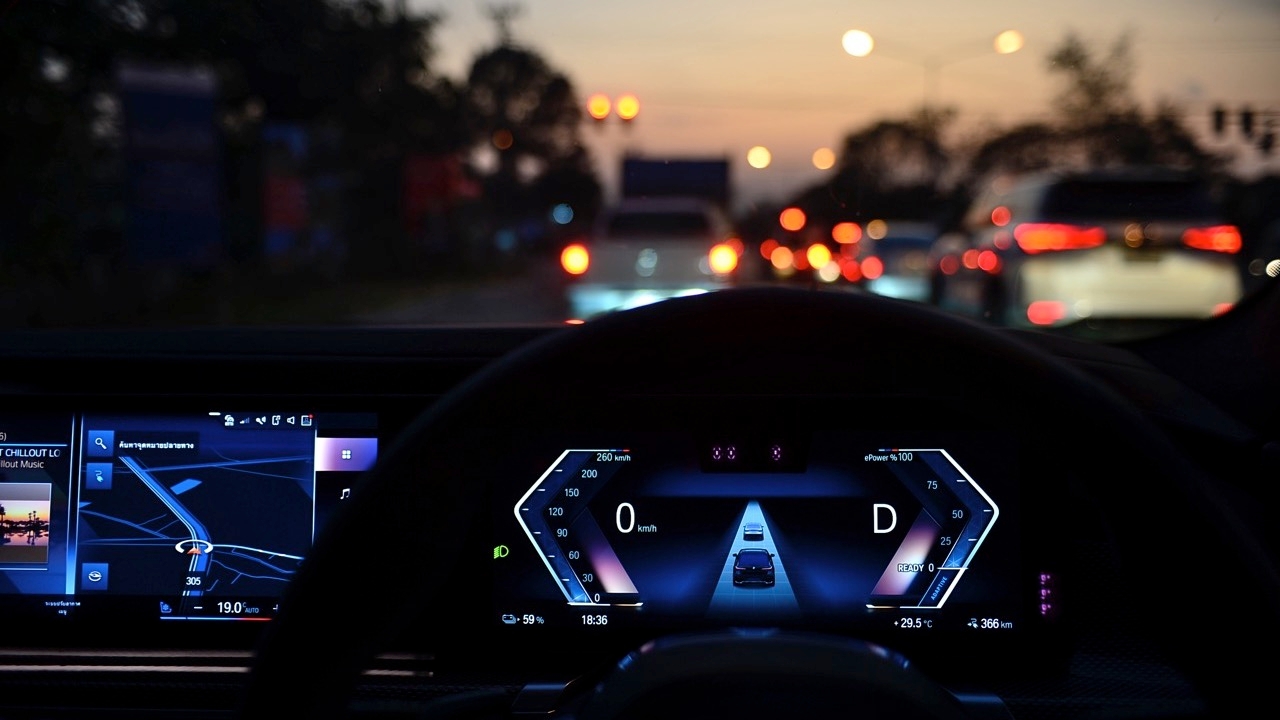
Welcoming the New Year with a long holiday, many people drive back to their hometowns to visit relatives or travel to other provinces during the extended break. Besides maintaining the vehicle's engine for readiness before setting off during the New Year holiday, caution is especially needed on the return trip. Many tend to rush, drive fast, and are often sleep-deprived, which can lead to accidents.

1. Don't speed.
Seeing clear roads, some drivers speed excessively, especially those tired of traffic jams during the year-end holidays who choose to avoid crowded popular tourist spots. Driving in Bangkok when roads are empty may tempt some to speed, increasing accident risks. Clear roads require extra caution. Motorcycles at intersections or driving late at night amid celebrations and alcohol consumption create dangerous conditions that need special care. Drive slowly, look far ahead, keep distance, stop to rest if drowsy, and strictly obey traffic rules.

2. Sleep little, but do sleep.
Returning to Bangkok after several days of traveling with family or visiting relatives in the provinces, sometimes with little rest before rushing back to work, remember that both driver and vehicle readiness are key to survival and safety on the road. Returning to work refreshed is essential. Drivers must get adequate rest before sitting behind the wheel. Lack of sleep, insufficient rest, and drinking celebrations can lead to accidents. Driving with full attention, careful judgment, avoiding recklessness, and never drinking before driving are crucial. Driving while intoxicated or drowsy can end disastrously.

3. Good tires mean safety.
Before departing, tires must be checked and kept in good condition. Slightly overinflate tires when carrying passengers and luggage to prevent blowouts, protect tire sidewalls, and improve fuel efficiency. Slightly harder tires for long trips help prevent overheating. Old, worn tires or tires used heavily without proper care are major causes of accidents. Don’t tolerate worn tires thinking they’re fine—tires support the entire vehicle weight, roll on various road surfaces, and wear down if tire pressure doesn’t match the load.

Emphasizing that tires are life, if it’s time to replace them, don’t hesitate to spend the money. Tires are critical components that bear vehicle weight and face pressure from hard braking or sharp turns. Good quality, fresh tires enhance driving safety. Underinflated tires heat up rapidly, wear the sidewalls, consume more fuel, and risk blowouts. Proper tire pressure for the vehicle size and load is the best for long-distance driving.

4. Beware of overheating due to neglect.
Whether your car is new or old, check the cooling system: radiator fluid, water pump belt, coolant system, and cooling system components. The return trip usually involves traffic jams and hot daytime temperatures. Stop-and-go driving under intense sunlight can cause overheating. If the cooling system malfunctions or parts break, you might arrive late or even require an engine overhaul. Check the cooling system thoroughly before traveling.


Open the hood to check radiator fluid levels before departure. Fluid in the reservoir or plastic tank may be low due to continuous use—top it up to the correct level. Also check engine oil levels and refill if low before a long trip. These checks won’t take much time. Additionally, fill the windshield washer fluid reservoir because you and your family might encounter unexpected seasonal rain in mountainous areas.

5. Enjoy pleasant music to stay alert.
Focusing on favorite music can help fight drowsiness while driving. If traveling in a group and confident in your voice, singing along to your preferred tunes may help relieve sleepiness. However, if music makes you more drowsy, stopping for a break is the only safe choice to avoid falling asleep at the wheel, which is very dangerous.

6. Stop distractions, focus on driving.
Phones destroy driving concentration. Keep your mobile phone out of reach and don’t check it while driving. On long highway drives, looking far ahead beyond the vehicles immediately in front helps anticipate situations accurately and increases safety. Clear vision allows quicker decisions in emergencies. Drive at appropriate speeds and, most importantly, keep ample distance from the car ahead. This ensures you have enough braking distance if the front vehicle stops suddenly, avoiding rear-end collisions caused by tailgating. Avoid rushing or impatience; respect traffic rules, yield when appropriate, and be courteous to fellow travelers returning home or traveling with family.