

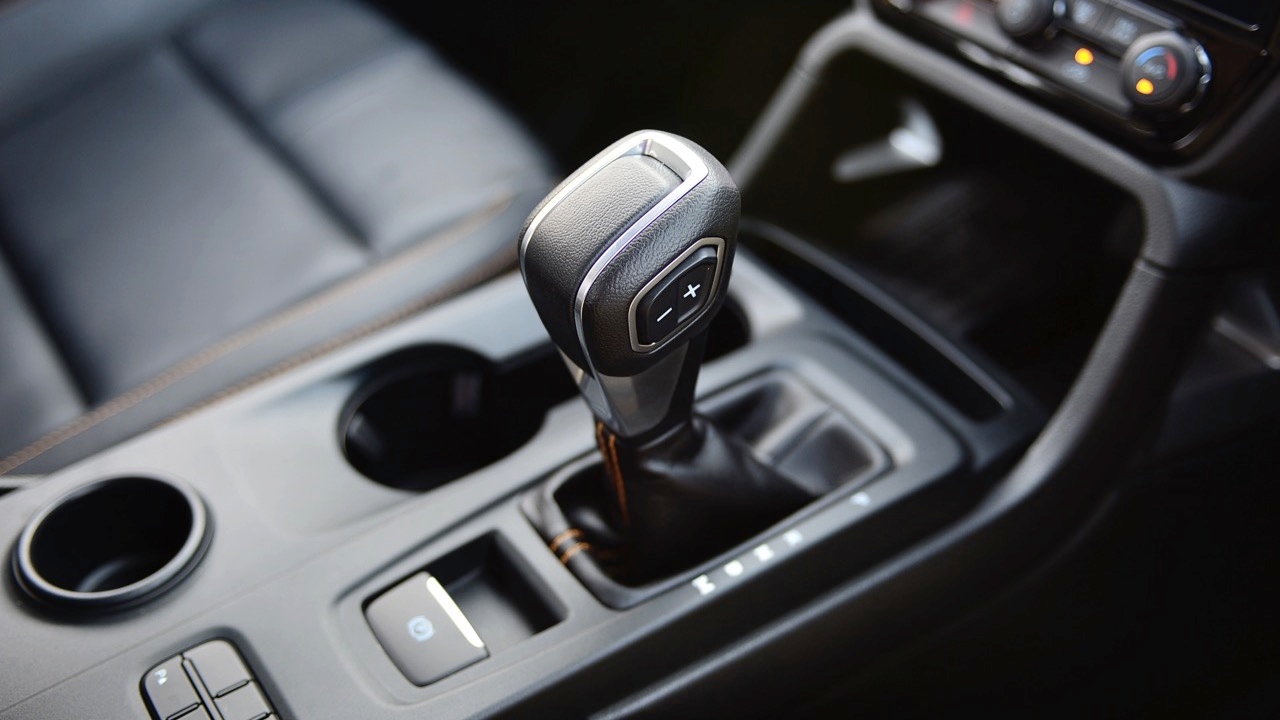
The transmission is a vital system connecting the engine to the wheels, one of the most important factors in vehicle propulsion. Whether using a manual or automatic transmission, this complex powertrain endures maximum stress whenever accelerating, decelerating, or shifting gears. Continuous power transfer from the engine to the wheels inevitably causes wear. Gears grind against each other thousands of times over just 5 kilometers, clutches work hard, and high-pressure, high-temperature transmission fluid circulates. Continuous use naturally leads to wear, but with careful use and maintenance, some transmissions remain functional even after the engine has failed.

Automatic transmissions showing early signs of deterioration present warning symptoms during driving. Owners who carefully maintain their vehicles, especially the powertrain, can keep their transmissions functioning even after extensive use. Some brands claim their transmissions never require fluid changes, but in reality, transmissions tend to fail beyond 100,000 kilometers if fluid and filters are not replaced. To avoid failure, changing transmission fluid every 30,000-40,000 kilometers and driving gently—avoiding frequent gear changes or harsh gear dragging—helps prolong automatic transmission life.
Regardless of care, wear from use is inevitable. Warning signs that your automatic transmission is close to failure come in two forms: visible signs like transmission fluid leaks on the ground, or operational issues such as shifting into Drive (D) or Reverse (R) with no vehicle movement or long delays before the car moves.
Another disagreement with car manufacturers is their claim that transmission fluid never needs changing during the vehicle’s lifetime. Ultimately, the transmission will fail. Some cars break down close to the end of their warranty, which allows a replacement claim, but most fail after warranty expiration at 100,000 to 150,000 kilometers. Repair or replacement costs are high, and once out of warranty, expenses can be severe.
I strongly disagree with the idea that transmission fluid never needs changing. Cars in Thailand are expensive due to taxes and represent significant assets worth more than in other countries. Many vehicles are heavily used, sometimes covering 30,000 to 40,000 kilometers per year, which is quite normal.
An automatic transmission can cost about 30% of a car’s price. Many use their cars extensively because public transport is often inadequate. Vehicles may reach 200,000 kilometers or more before being sold. Thailand's year-round heat means transmissions operate at high temperatures continuously. Transmission fluid should be replaced every 40,000 kilometers. I have seen transmissions fail near 100,000 kilometers due to never changing the fluid; the fluid inside looked like chocolate paste. New Japanese transmissions can cost over 100,000 baht, while European ones can cost three to four hundred thousand or even exceed five hundred thousand baht.

Modern automatic transmissions are somewhat less durable than manuals but not always; durability depends on driving style and maintenance. Today’s automatics have more components, electrical systems, and are far more complex, whether CVT belt-pulley types or torque converter gearboxes. Warning signs before automatic transmission failure vary, including:
1- Jerking or jolting when shifting gears.
2- Slow, sluggish power response, not as quick or precise as when new.
3- Gears not shifting or even failing to move in reverse when selecting R; the car remains still.

Initial symptoms often occur with reverse gear (R) when the engine is cold: delayed or jerky engagement, not smooth. After running a while and warming up, symptoms may improve intermittently.

After experiencing reverse gear failure, later symptoms include slipping clutch plates during shifts, causing rough gear changes instead of smooth transitions.
Sometimes the car won’t move when a gear is selected; it may require warming up or shifting to second gear to start moving before returning to Drive (D) after some running.
Following initial jerking in reverse, the transmission may refuse to engage reverse gear when cold but work normally when warm.
When pressing the accelerator, the engine revs rise, but the speedometer lags or doesn’t increase proportionally. The car accelerates poorly, feeling sluggish like a heavily loaded truck, which is dangerous especially when needing to overtake.
Abnormal loss of transmission fluid (either fluid consumption or leaks).

Engaging D or R results in slower-than-normal vehicle movement or delays before moving, a late-stage failure sign. Transmission may shift between N, D, and R slowly or fail to move, even when revving the engine. Gear changes may jerk, the transmission may slip out of gear, or acceleration may be severely impaired. This can happen whether the engine is cold or hot. Sometimes the transmission enters limp home mode, running only in one gear (usually third).

Repairs beyond user capability require experienced powertrain technicians: cleaning solenoid sets, control modules, replacing transmission fluid and filters every 30,000-40,000 kilometers, driving gently without harsh shifting, waiting for the vehicle to stop before shifting to reverse, and checking for water contamination after driving through water. Avoid unnecessary gear shifting on flat roads. These practices help extend automatic transmission life.