

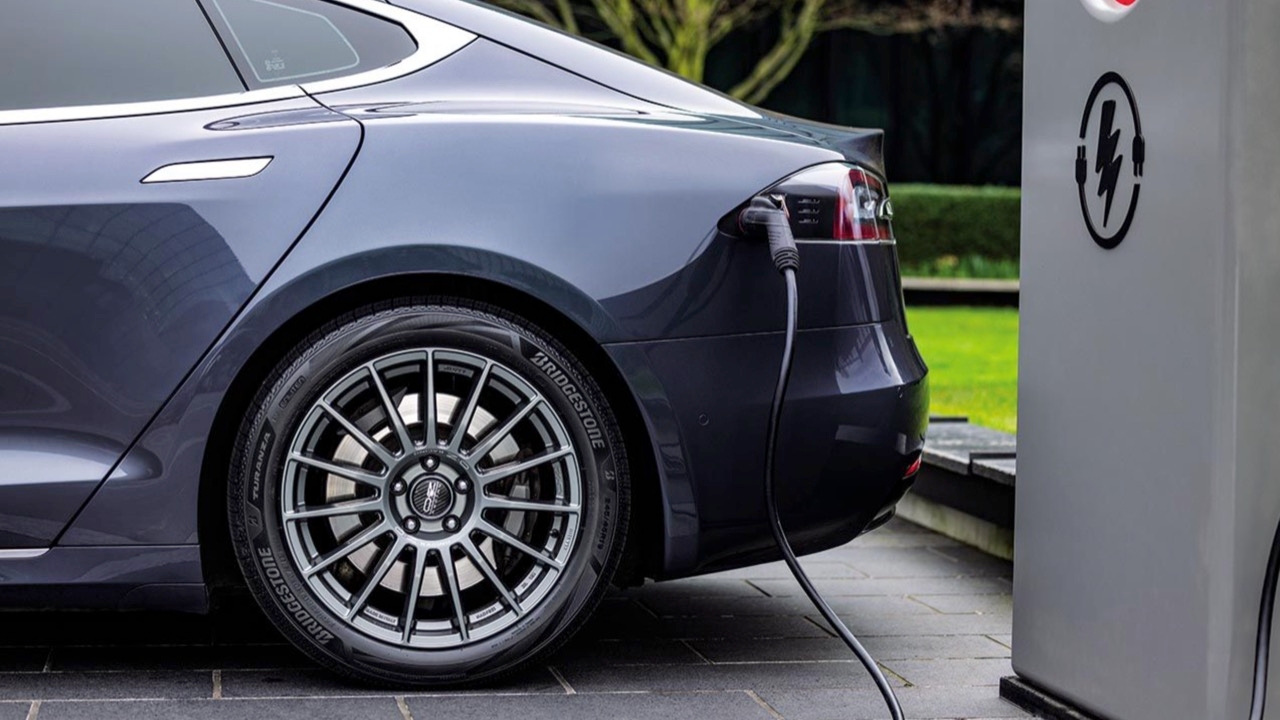
Tires made for electric vehicles differ in characteristics and performance from those designed for internal combustion engine (ICE) cars. In fact, regular tires can be used on EVs, but the performance, range, and durability differ compared to tires specifically designed for electric vehicles.


Tires designed or adapted for electric vehicles focus on supporting the increased weight compared to combustion engine cars, dynamic load capacity, and different traction requirements. Most importantly, EV tires have lower rolling resistance than ICE tires, which helps increase driving range by reducing the energy needed to rotate the tires.

How to choose tires for electric vehicles
When the original tires wear out or reach the end of their service life and need replacement, there are typically two options: tires specifically for EVs or standard tires. However, EV tires usually offer more than just load capacity, speed rating, pressure, and size.

1. EV tires with low rolling resistance
The design of EV tires, which are generally thicker than regular tires, allows them to better compensate for higher torque, reducing friction and slipping over short periods. These factors directly affect road grip and improve braking performance.
Proper EV tires are designed with low rolling resistance, which positively impacts driving range. The vehicle must overcome friction and resistance between the tires and road surface. Tires that roll easily on various surfaces consume less energy to move, meaning selecting suitable EV tires helps preserve more energy and slightly extend long-distance driving range.
Manufacturers of EV tires often prioritize rolling resistance. For example, Bridgestone's Turanza EV is specifically designed to enhance driving range and complement the dynamics of electric vehicles. Its ENLITEN technology reduces rolling resistance, allowing for longer distances and less energy consumption.

2. Emphasize the load index
The second important metric for EV tires is the load index. Naturally, for similar sizes, electric vehicles weigh significantly more than internal combustion engine cars due to the battery weight. For instance, the Mercedes-Benz S500 4Matic Sedan with an ICE weighs 2,150 kilograms, while the EQS 450+ Sedan EV weighs 2,538 kilograms—a difference of nearly 500 kilograms or almost half a ton. This means tires must support greater weight.
The increased weight of electric vehicles results in longer braking distances and faster tire wear due to motor power. This higher weight demands much better tire performance, especially during braking, cornering, and acceleration. Although battery weight is evenly distributed, it presents more challenges for tires during movement or full braking.
For better control, longer tire life, and safe braking distance, tires should have a load rating as specified by the vehicle manufacturer. Some ICE tires may meet EV tire specs, but tires designed specifically for EVs are a much better choice since they meet the unique requirements of electric vehicles.

3. Traction
ICE vehicle wheels typically accelerate gradually, with peak torque at high engine speeds. Electric vehicles, with powerful motors and no lag, deliver much higher torque immediately upon pressing the accelerator, causing rapid acceleration. Using ICE tires on EVs leads to faster wear and poorer traction because those tires aren’t designed to handle the sudden high torque from a standstill.
When tires spin rapidly during acceleration, traction must keep the tires firmly on the road. High traction affects tire lifespan. Choose tires that are improved or developed specifically for electric vehicles to achieve both good grip and low wear. Due to higher torque, EV tires often use special rubber compounds to enhance grip, reduce wear, and extend service life.

4. Noise
Without an engine, there is no exhaust or valve noise, so electric vehicles run very quietly—a feature many EV drivers appreciate. This not only makes driving more comfortable but also reduces noise pollution, which is considered an environmental issue. Since EVs lack engine noise to mask tire sounds, road noise is more noticeable during acceleration. That’s why EV tires have specific tread patterns, rubber compounds, and in some cases, sound-absorbing foam inside the tire to reduce noise. Conventional ICE tires are not designed to minimize noise like EV tires, which focus on quietness, traction, and energy efficiency.

Currently, many tire brands offer EV tires, including Bridgestone, Goodyear, MICHELIN, Hankook, Yokohama, Firestone, Pirelli, and Continental.
By 2026, tires suitable for electric (EV) and hybrid (HEV) vehicles must support battery weight well, help conserve energy, and reduce road noise—especially to handle the higher torque and quiet, comfortable driving style of EVs. Choosing the right tires helps maximize range per charge and ensures optimal driving performance.
Michelin Pilot Sport EV – Designed to enhance energy efficiency and reduce noise, suitable for high-performance electric vehicles.
Michelin e.Primacy – Focuses on energy savings and lowering CO₂ emissions for electric and hybrid cars, with excellent traction.
Yokohama Advan dB V553 – Soft and quiet with good grip on wet and dry roads, ideal for high-performance EVs by reducing resistance and noise.
Goodyear ElectricDrive – Developed specifically for electric vehicles, emphasizing low rolling resistance to extend driving range.
Michelin Primacy 5 – A popular tire balancing performance and comfort, suitable for both city and long-distance driving.
Yokohama ADVAN Sport EV V108 – Developed specifically for EVs, offering high traction and precise handling.
Maxxis Victra Sport EV – Tread design enhances grip on wet and dry surfaces, suitable for diverse road conditions.
Hankook Ventus S1 evo3 – Ultra-high performance tire providing excellent control and grip, especially for sporty EVs.
Bridgestone Turanza 6 – Offers a quiet and comfortable ride with good traction in all weather conditions, featuring hydroplaning reduction technology.
Hankook iON evo AS – Designed specifically for electric vehicles, focusing on reducing cabin noise and extending driving range.