

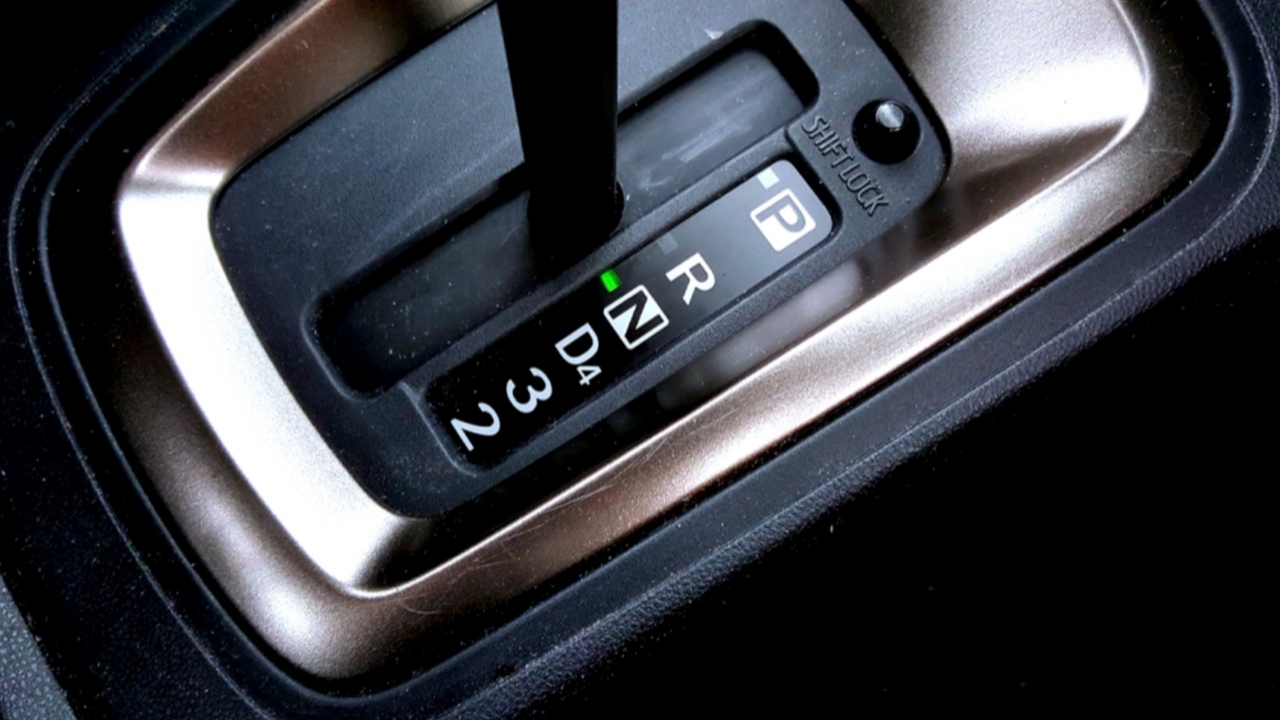
Automatic transmissions deliver power without pressing the accelerator, a special feature drivers must be cautious with. This applies to starting off, shifting to reverse, or driving on steep roads. Using the handbrake or Auto Brake Hold to stop or wait during heavy traffic is important. Drivers should develop the habit of using the handbrake or electronic parking brake, because if neglected, the car may roll forward and collide with the vehicle ahead—especially among those distracted by their phones or lacking concentration while driving.

There is a common question whether frequently shifting between D and N causes unnecessary transmission wear. Most mechanics and experts advise that once you start the engine and shift into D to drive, even in heavy traffic, you should avoid frequently switching between D and N. Instead, keep the gear in D and hold the brake pedal continuously, even if it causes leg fatigue. Experts explain that the torque converter in automatic transmissions stops transmitting pressure when shifted to neutral (N), and pressure resumes immediately when shifted back to D, typically between 2-5 bar to provide driving power. Doing this repeatedly does not always cause wear as some believe.

When stuck in heavy traffic, keeping the gear in D while pressing the brake for a long time causes heat buildup inside the transmission. In the short term, this is not problematic, but over time it can lead to wear. It may also increase the risk of rear-end collisions due to driver distraction, foot releasing the brake, or gear misplacement. The recommended method is to engage the handbrake and shift the gear to N (neutral) or use Auto Brake Hold. Some automatic transmissions release the clutch to reduce wear during these situations.
How Auto Brake Hold works:
Activation: Press the Auto Brake Hold button (marked with an A in a circle).
Stopping: When driving in gear D (or R) and you press the brake until the car stops completely, the system automatically "holds" the brakes (an orange indicator lights up), allowing you to release the brake pedal.
Starting off: When you gently press the accelerator or shift gears, the system automatically releases the brakes, and the car moves forward normally.
The Auto Brake Hold system commands the electronic brakes to hold instead of requiring continuous brake pedal pressure. It does not directly affect the clutch mechanism inside the transmission, except in dual-clutch or clutch-like transmissions found in some hybrid models or AMT, DCT types.

Keeping the gear in D for long stops generates heat in the transmission, accelerating wear and risking the car rolling into the vehicle ahead if the driver is inattentive. Therefore, the recommended approach is to engage the handbrake and shift to N (neutral) to rest the transmission and reduce risk during long red lights (over 1-3 minutes). This is better than shifting to P or leaving the gear in D. The reason for shifting to N is to reduce heat, as the clutch pack is not fully engaged, lowering friction heat. The handbrake locks the wheels to prevent rolling, similar to P, but N does not lock internal transmission components, allowing quicker and gentler shifts back to D or R and preserving the transmission better than holding D stationary.
Safety considerations
Reduces the risk of the foot slipping off the brake causing the car to roll and hit the vehicle ahead.
Avoid using P while stopped, because a rear collision could damage the transmission.
For short red lights (<1 minute): keeping gear in D and brake pressed is fine. For longer stops (1-3 minutes or more): shift to N and engage the handbrake.
On steep slopes: fully apply the handbrake + shift to N + check that the car does not roll + then shift to P and turn off the engine.
For automatic cars, if the red light is less than 1 minute, there is no need to shift gears—you can keep it in D and hold the brake. But if stopped longer, do not simply hold the brake pedal for fatigue's sake.