

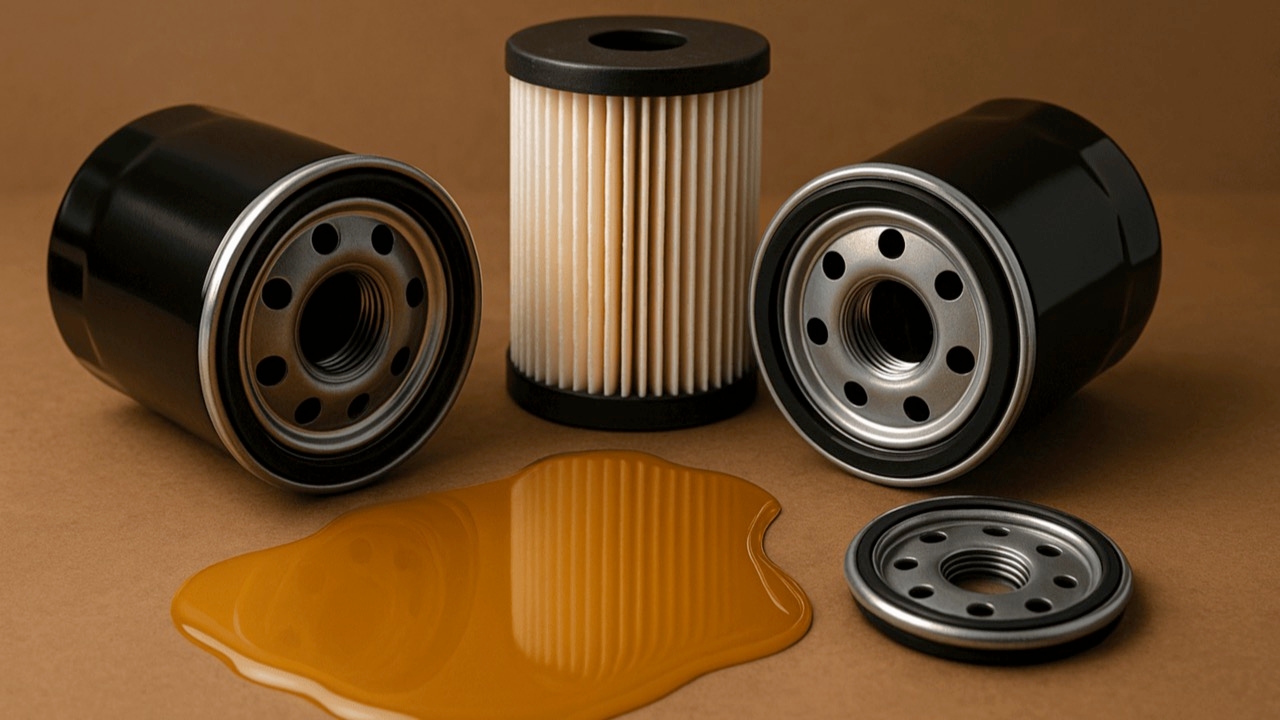
Filters in vehicles—whether air filters, engine oil filters, transmission oil filters, or cabin dust filters—are designed to trap contaminants like dust and metal particles, preventing them from mixing with the moving components during operation. Filters are thus essential for vehicle maintenance. Neglecting or overlooking the importance of these filters—including engine oil, gasoline or diesel fuel, air, and automatic transmission filters—can compromise the protection of nearly all moving parts in the vehicle.

Gasoline Fuel Filter
A clogged fuel filter in gasoline vehicles causes difficult engine starts, hesitation, or unstable idling with fluctuating RPMs. Fuel filters are often overlooked until problems arise, leading inexperienced mechanics to troubleshoot inefficiently. Typically, gasoline fuel filters last about 2 years or 40,000 kilometers, depending on the vehicle model and engine. These fine filters trap suspended impurities in the fuel to prevent interference with ignition. New vehicles rarely require attention to the gasoline filter, but older vehicles that are infrequently driven and often have residual fuel in the tank may experience contaminants entering the fuel system during use. The gasoline fuel filter helps block these impurities. When replacement time comes, it is wise not to hesitate to invest in a new filter.

Diesel Fuel Filter
Diesel fuel filters, often called water traps by mechanics, not only filter contaminants but also separate water mixed into diesel fuel. In Thailand, diesel fuel quality varies, especially at some rural stations where fuel tanks are not properly cleaned, allowing water contamination and degrading fuel quality in underground storage. Diesel filters have a long service life but should be replaced according to schedule to maintain fuel system efficiency. Prices vary by vehicle brand; Japanese pickups have reasonably priced filters, while European brands like BMW, Mercedes-Benz, and Volvo have higher-cost filters.

Air Filter
Engines require large volumes of air for combustion, sometimes up to 100-200 cubic feet per minute entering the intake manifold. Air filters trap airborne dust and particulate matter such as PM10 and PM2.5, preventing these contaminants from entering the combustion chamber. Air filters also reduce engine noise by muffling airflow sounds during intake. Modern vehicles use dry paper filters made from synthetic fibers, while older models may have wet filters. Over time, dirt accumulation begins to clog these filters.
Generally, air filters last about 10,000 kilometers. If not yet due for replacement, they can be cleaned by blowing compressed air through them, a service often offered at tire shops during tire pressure checks. In heavily dusty environments or when frequently driving on unpaved roads, cleaning or replacing air filters sooner than recommended can extend engine life.

Engine Oil Filter
Engine oil filters are inexpensive components that significantly affect engine longevity. They should be replaced every time the engine oil is changed, especially for those using premium oils that can last up to 10,000 kilometers or more, with some extending to 20,000 kilometers. When the oil change interval arrives, the filter should be replaced simultaneously. For conventional oils requiring changes every 5,000 kilometers, especially in stop-and-go traffic and high temperatures, if the drained oil appears very dark, it is advisable to replace the filter as well.
For drivers who frequently take long trips and quickly reach 5,000 kilometers, changing engine oil twice for every one oil filter replacement can save money without significantly impacting engine health. Engine oil filters are affordable and function to trap dirt, metal particles, and dust, preventing their circulation through engine components during operation.

Automatic Transmission Oil Filter
The automatic transmission filter is a critical component for maintaining and extending the lifespan of a vehicle’s transmission system. Transmission fluid and the filter should be replaced according to the service interval because clutch plates wear down during operation, producing metal particles and other contaminants. The transmission oil filter traps these impurities, preventing them from entering the transmission’s complex system of fine passages. When changing automatic transmission fluid around 40,000 kilometers, the filter should also be replaced to ensure clean fluid. Purchasing genuine filters helps prolong the life of all filters compared to aftermarket or imitation parts. When in doubt, obtaining parts from authorized dealers is recommended to avoid future problems.