

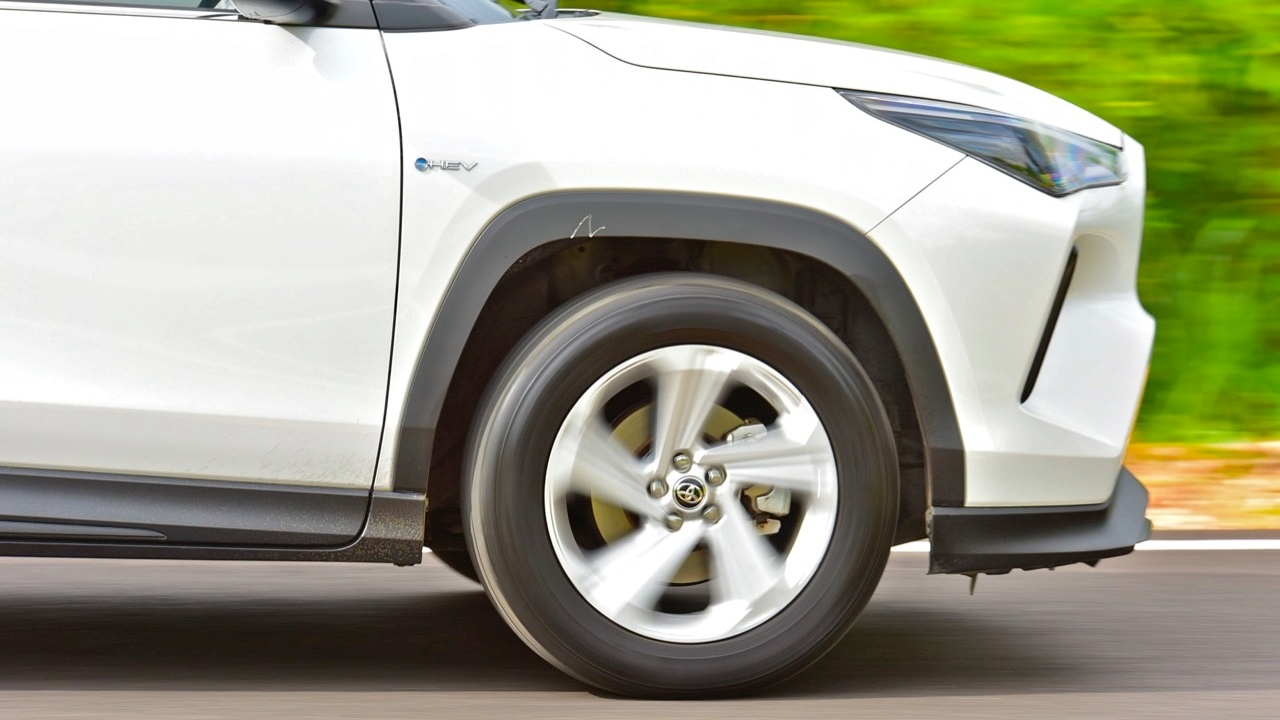
Wheel weights serve to balance the wheel and tire assembly by equalizing weight around the axle, as manufacturing processes can cause uneven weight distribution in rims and tires.

The key benefits of using wheel weights are:
Reducing vibrations: preventing steering wheel or vehicle shaking when driving at high speeds, typically between 80–120 km/h.
Preventing abnormal tire wear: ensuring even tire contact with the road, reducing cupping wear patterns, and extending tire life.
Protecting suspension: reducing stress and wear on wheel bearings, shock absorbers, and other suspension components caused by centrifugal forces from imbalance.
Enhancing safety: improving vehicle control and road grip for a smoother, more stable ride at all speeds.


When should you check or balance your wheels?
Experts from Cockpit and Bridgestone recommend balancing wheels whenever you install new tires, rotate tires, or notice abnormal steering wheel vibrations.
Steering wheel vibration specifically at speeds of 100–120 km/h is a clear sign of "unbalanced wheels," which wheel weights are designed to correct.

The most likely causes, in order, are:
1. Unbalanced wheels (accounts for 90% of cases).
At high speeds, even slight weight imbalances create strong centrifugal forces causing wheels to wobble and transmit vibrations through the steering wheel.
Solution: have your wheels rebalanced by a technician who will use a balancing machine to identify weight deficiencies and attach wheel weights to stabilize rotation.
2. Tire problems (bulging or uneven wear).
Worn tires with bulges or structural damage from impacts cause wheels to rotate unevenly instead of perfectly round.
Solution: inspect tires for bulges or cupping wear; replace bulging tires immediately for safety.
3. Loose or missing hub rings.
If you installed aftermarket alloy wheels and the center bore doesn't fit the hub precisely, the wheel won't be perfectly centered, causing vibrations at high speed.
Solution: check and install proper hub rings to ensure wheels fit snugly on the hub.
4. Suspension or brake system issues.
Worn tie rod ends or rack joints can cause wheels to sway more easily.
Warped brake discs cause vibrations only when braking.
Initial advice: start by balancing the front wheels first, as this is the most cost-effective and direct fix for vibration issues at these speeds.