

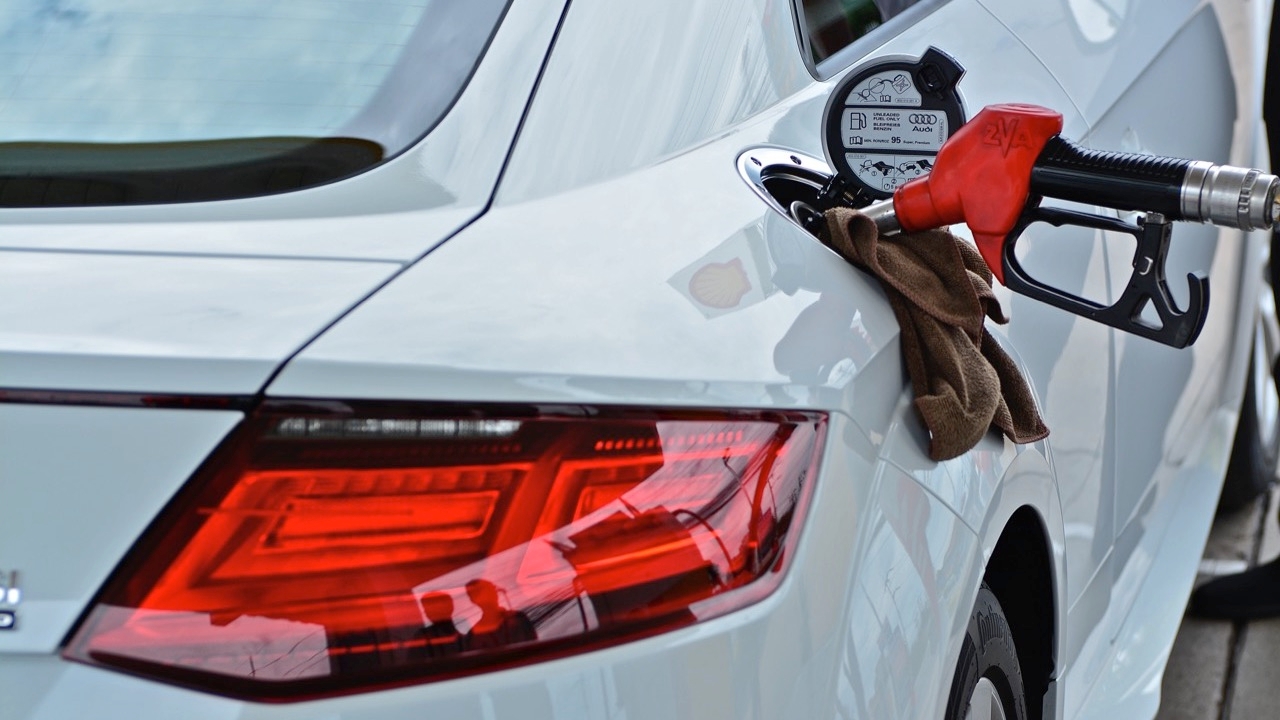
The question of where fuel prices in Thailand will end up remains one of the hardest to answer. Since the Iran-US war broke out in early March, by early April 2026, fuel prices of all types have surged every 5-7 days, each time rising by 3-5 baht per liter. The ongoing conflict (as of 1 April 2026) shows no sign of ending, with rockets still being fired. The US is trapped in a war dilemma: withdrawing means losing influence in the Middle East, while continuing is unsustainable. The prolonged conflict is eroding the power of the US, a global superpower. Meanwhile, Thailand is undergoing a major fuel price restructuring amid a struggling economy burdened by inflation and rising transport costs.


Summary of key trends and figures
Diesel prices: "Soaring" to a new base. The latest decision by the Energy Policy Committee (1 April 2026) cut subsidies from the oil fund, causing retail diesel prices to jump 3.50 baht per liter on 2 April 2026. Current prices are about 40.74 baht/liter, rising to 44.24 baht/liter on 2 April. The government aims to cap prices below 45 baht short term, but if the oil fund remains in deficit, market-driven price ceilings will likely continue rising. Critical fuel supply routes remain disrupted, effectively limiting fuel availability.


Gasoline and gasohol prices are fluctuating in line with global market mechanisms. On 2 April 2026, prices will rise by 1.20 baht per liter, except for some premium grades.
Gasohol 95 will increase to about 43.25 baht per liter.
E20 will be about 38.25 baht per liter.
Where will fuel prices "end up"?
Looking ahead to Songkran and the second half of 2026, the potential stabilization point depends on three main factors.

Government price ceiling: The government has begun allowing diesel prices to more closely reflect reality, moving away from the previous 30-33 baht range. Allowing prices to reach 44 baht signals that the "end point" might stabilize between 45-48 baht, assuming the Middle East conflict remains unresolved. However, given the intensity of the conflict, supplies will eventually run out, and the situation may resolve on its own.
Oil fund status: As long as the oil fund account remains deeply negative, expecting prices to fall below 35 baht (diesel) or 40 baht (Gasohol 95) is structurally unlikely.
Excise tax policy: If the government decides not to extend the fuel tax reduction measures, pump prices could increase immediately by another 3-5 baht.

In summary for April, diesel prices will likely hold at 44-45 baht, while Gasohol 95 will fluctuate between 42-45 baht. For those traveling long distances during Songkran—returning home to visit parents or going on 4-6 day holidays—checking fuel card balances or planning routes carefully may help ease the burden somewhat. Let us hope fuel prices gradually decrease as the US withdraws, though prolonging the conflict will only worsen the global situation.