

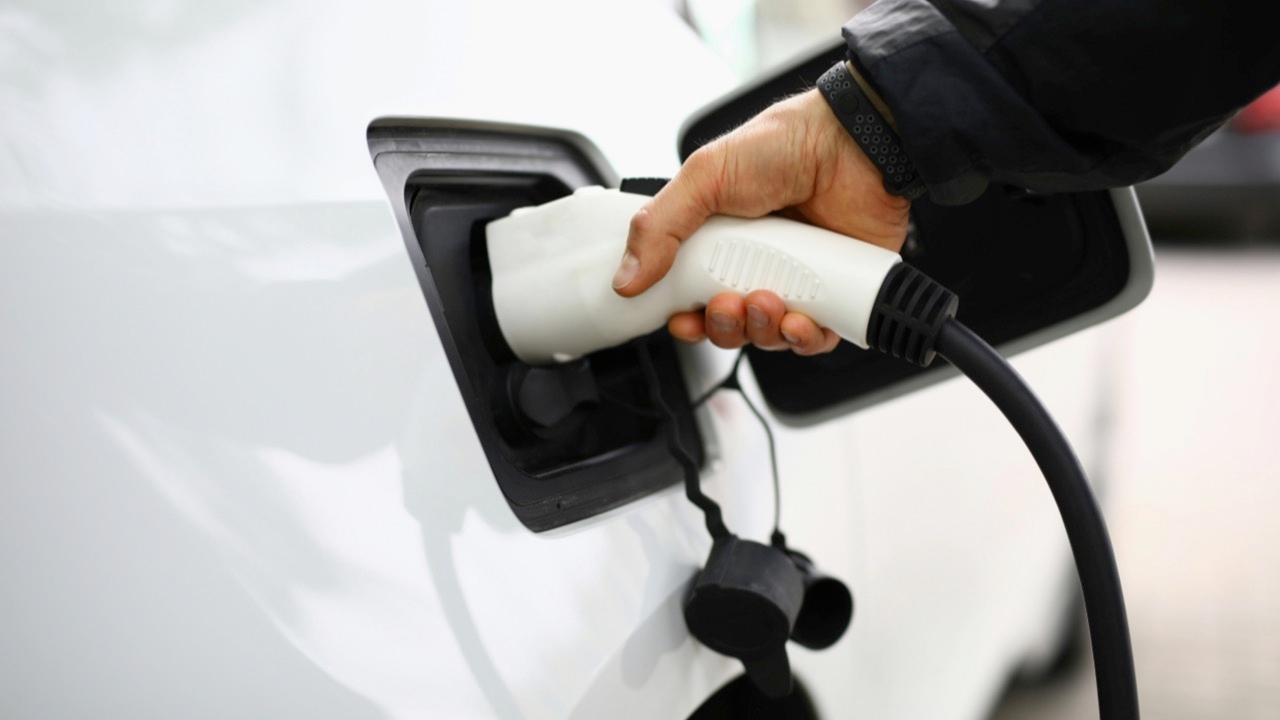
The problem of not being able to remove an electric vehicle charging plug, even after trying every method, is common and frustrating—even for luxury or typical EV brands. The charging cable and plug can become locked after charging completes and you're about to continue your journey. The charging plug is designed primarily for safety to prevent unplugging while a high current still flows, which could cause sparks (arcing) or damage to the electrical system.


The operation principle of the charging plug and locking mechanism involves communication between the vehicle and charger through the plug (usually Type 2 for AC or CCS2 for DC). It includes key components as follows.
The locking actuator inside the vehicle's charging port consists of a small motor or solenoid actuator that pushes a locking pin into a notch on the plug. When charging begins, the vehicle's computer (EVCC) commands the lock immediately and will release it only when all safety conditions are fully met.
Communication occurs via Control Pilot (CP) and Proximity Pilot (PP) pins. The PP checks if the plug is securely inserted; if the locking pin isn't engaged or the plug's button is pressed, the system detects this and stops delivering current. The CP serves as the main communication channel, with the vehicle signaling that connection is successful and ready to receive power, and the charger responding that power delivery has started.

It's common to encounter situations shortly after acquiring an EV where the charging cable gets stuck and won't unplug, even after correctly pressing the unlock button. This frustrating issue usually arises from safety mechanism malfunctions or incomplete conditions. Here are five detailed main causes why the charging cable cannot be removed.
1. The vehicle's locking mechanism (Actuator) does not release.
Almost all EV models have a small locking pin to prevent the cable from being pulled out while current is flowing.
Cause: Even if you press the unlock button on the key fob, the small motor (actuator) that retracts the pin may be stuck or the electrical signal may not reach the lock.
Solution: Try pressing the unlock button on the remote 2-3 times or press the unlock button inside the car. Some models require unlocking all doors to release the charging plug lock.

2. Mechanical tension caused by the weight of the charging cable.
DC fast charging cables are often heavy and thick; when left plugged in for a long time, the cable's weight pulls the plug downward. This pressure causes the locking pin to be "pinched" or "wedged" within the plug gap, preventing the motor from having enough force to retract the pin.
Solution: Use one hand to lift the charging plug so it is parallel to the ground to reduce pressure, then use the other hand to press the remote unlock button simultaneously.

3. Communication error between the vehicle and charging station.
The EV safety system will not release the locking pin until the charging session is fully completed. Sometimes, the charging station indicates charging has stopped, but this information has not reached the vehicle, causing it to believe current is still flowing and thus keeping the cable locked for safety.
Solution: Check the charging station's app or display screen to see if the status is "Finish" or "Completed." If it remains stuck, try pressing the emergency stop button on the charger to cut all communication circuits.

4. Heat buildup at the contact points causing expansion.
During prolonged high-power charging, metal contacts heat up. This heat causes slight expansion of metal or plastic parts around the plug, making it "tight" or stiffer than usual, especially if contacts are dirty or oxidized.
Solution: If the charging plug feels very hot, wait about 5–10 minutes for the heat to dissipate and materials to contract to normal before attempting to unplug again.

5. Manual latch on the charging plug handle.
Some AC Type 2 plugs or adapters have a mechanical latch on the handle. Sometimes users unlock the car but forget to press the latch on the handle, or the latch mechanism is worn out and refuses to release the locking claw.
Solution: Check whether the latch on the handle is fully pressed. For adapters, verify if the adapter's lock is separate from the vehicle's port lock.
If all methods fail, most EVs have an emergency release cable, usually hidden in the front hood or rear cargo panel near the charging port. Pulling this cable manually releases the locking pin—refer to your vehicle’s manual for the exact location.


If pulling the emergency release cable doesn't free the plug, the locking pin may not be stuck in the motor but caused by physical binding or the locking claw jammed against the plug edge.If it still won't come out, try the following technique.
1. "Push-Pull" technique to reduce locking pin friction.
The emergency release cable lifts the locking pin by pulling, but if the plug is heavy or restrained, the pin can be pinched and won't lift. Have someone push the charging plug fully inward toward the vehicle to free the locking pin from pressure. While pushing, pull and hold the emergency release cable and gently wiggle the plug out simultaneously.
2. Check the "push button" on the charging plug handle (for AC charging).
Some Type 2 plugs have a button on the handle; the vehicle’s locking pin may be released but the plug's own latch claw is still engaged with the port. Hold the emergency release cable while firmly pressing the button on the handle and pull the plug out.
3. Check the temperature of the charging plug.
After heavy DC fast charging, plastic or metal parts may expand excessively. Wait about 5–10 minutes for the heat to dissipate, then try the Push-Pull technique again.
4. Reset the communication system (in case of software lock).
Sometimes the electrical mechanism attempts to re-lock if sensors think the connection is still active. On the vehicle’s infotainment screen, navigate to Energy/Charging menu and repeatedly press Unlock Port or Stop Charging. If unsuccessful, try locking and unlocking the car with the key three times to reset the actuator.
5. Last resort: If the plug still won’t come out, avoid excessive force to prevent damage to the charging port.
If the emergency release cable breaks when pulled hard but the plug remains stuck, a technician must remove the wheel arch or charging port panel from inside the vehicle. If all steps fail, contact a service center or call center immediately to have a technician inspect the issue, as the actuator may be broken internally causing the lock to jam.