

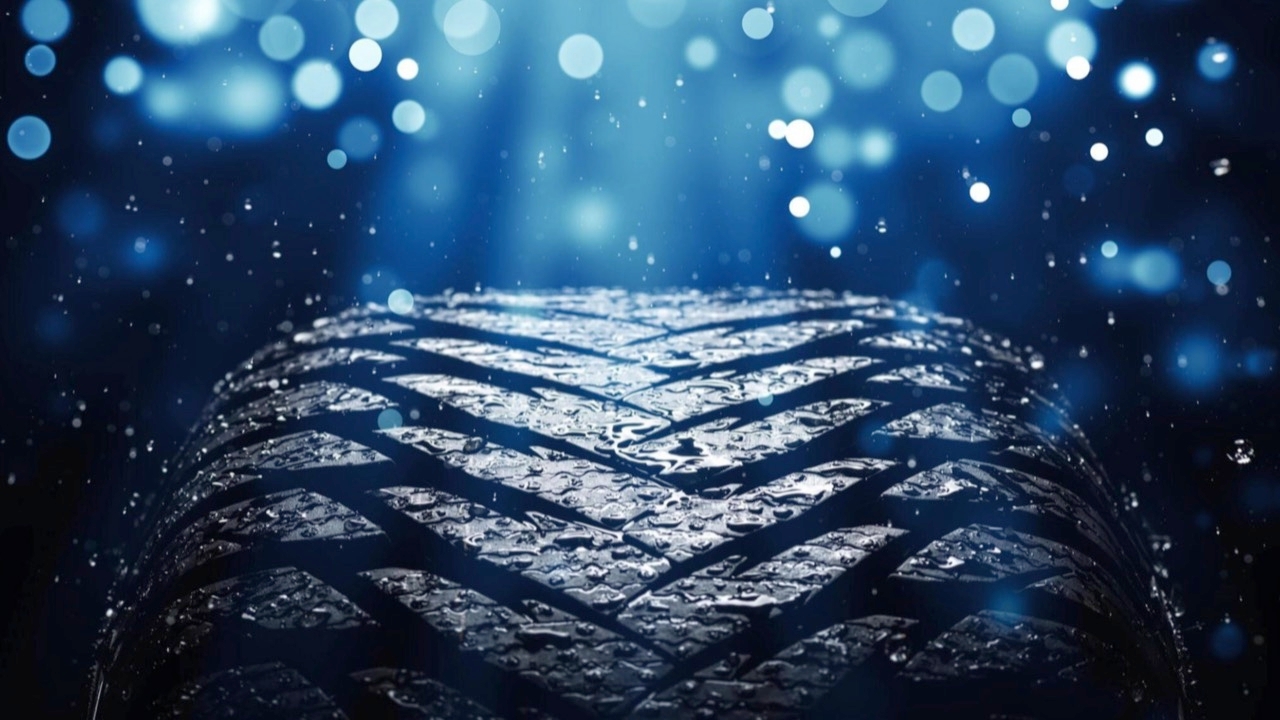
When the weather changes and heavy rain falls while driving, car tires face a much heavier burden than usual because they must do more than just enable movement. They also act as tools for displacing water and generating traction simultaneously. Many people have seen clips of accidents where cars lose control on wet roads and overturn. This happens when tires pass over puddles at high speed but cannot displace water fast enough, causing an immediate loss of directional control and leading to severe accidents, sometimes fatal.


The challenges tires face during heavy rainstorms include:
Hydroplaning, a major hazard in the rainy season, occurs when water on the road is deeper than the tire grooves can drain. Water slips between the tire surface and road, causing your car to ride on a layer of water instead of the road. The result is loss of control in steering and braking.
Loss of traction occurs because, on dry roads, tires grip through direct friction, but rain creates a lubricating water film.
Braking distances may increase by two to three times the normal length.
Heat: Although rain helps cool tire surfaces, prolonged driving through standing water can cause sudden temperature changes in tire structure, affecting rubber flexibility.
Invisible debris: Heavy rainwater often carries trash, glass shards, or nails onto the road surface. Sometimes, flooded water conceals deep potholes, causing strong impacts to tires and rims unexpectedly.
Oil and mud stains—the "First Rain" effect—occur when initial rainfall mixes with oil and dust on roads, creating a slipperier layer than regular wet surfaces. Tires need finely designed tread sipes to cut through this oily film.


Tire traction in heavy rain is a complex engineering process combining water displacement mechanics and the chemical properties of the rubber compound, working together through several key steps:

Water displacement efficiency is a top priority. Tires must remove water blocking contact to maximize tread-road contact. Large main grooves channel large volumes of water away to the rear and sides, while smaller sipes act like windshield wipers, cutting residual water films to allow rubber to directly contact the road.

Friction generation happens after water is displaced, through two mechanisms:
Adhesion is the molecular bonding between rubber and road surface. Modern tires often include silica to maintain flexibility at low temperatures and on wet surfaces, allowing the tire to "grip" road stones better.
Hysteresis is the rubber’s ability to deform over rough road surfaces; the force from this deformation generates grip.
Tire structure and compound design play crucial roles.
High-performance rain tires often hide their secrets in these two aspects.
Full silica compounds keep tires soft and sticky even in cold rain, unlike ordinary tires that stiffen, thereby improving grip.
Asymmetric tread patterns usually have inner sides focused on water displacement and outer sides optimized for stability and cornering, helping maintain vehicle control on wet roads. However...The faster you drive, the less time tires have to displace water. If speed is too high for the tires to keep up, all the traction mechanisms fail instantly, causing dangerous hydroplaning conditions.

Recommendations for inspecting worn tires include:
Tread depth: If tread depth falls below 3 millimeters, water displacement performance drops significantly, even though the law requires a minimum of 1.6 millimeters.
Tire age: If rubber hardens or develops cracks, it loses its ability to grip wet roads, increasing the likelihood of oversteer or understeer during cornering.

Choosing tires for the rainy season must prioritize safety because wet, slippery roads and water displacement directly affect braking distances and vehicle control.
Here are guidelines and interesting options for selecting new tires to ensure confidence in the rainy season.
Key features to focus on when choosing tires for the rainy season include:
Grooves: Select tires with deep and wide channels to quickly evacuate water and reduce hydroplaning risk.
Compound: Tires with high silica content remain softer and provide better wet traction than economy tires.
Tread pattern: Directional or asymmetric patterns are designed to enhance water displacement and stable cornering.