

Sleeping in an electric vehicle is safer than resting in an internal combustion engine (ICE) car in many respects. EVs can serve as safe bedrooms, but due to differences in their energy system structures, certain precautions must be managed properly to ensure worry-free rest.

Why is an EV safer than a combustion engine vehicle?
No carbon monoxide (CO) gas: When an ICE car is left running while parked and sleeping, exhaust containing CO can backflow into the cabin, causing unconsciousness and death. EVs operate on 100% electricity, producing no exhaust and eliminating any CO poisoning risk.
Quiet operation without vibration: The EV's air conditioner compressor runs on electricity, allowing you to park and sleep with the AC on without engine noise or vibrations disturbing your rest.
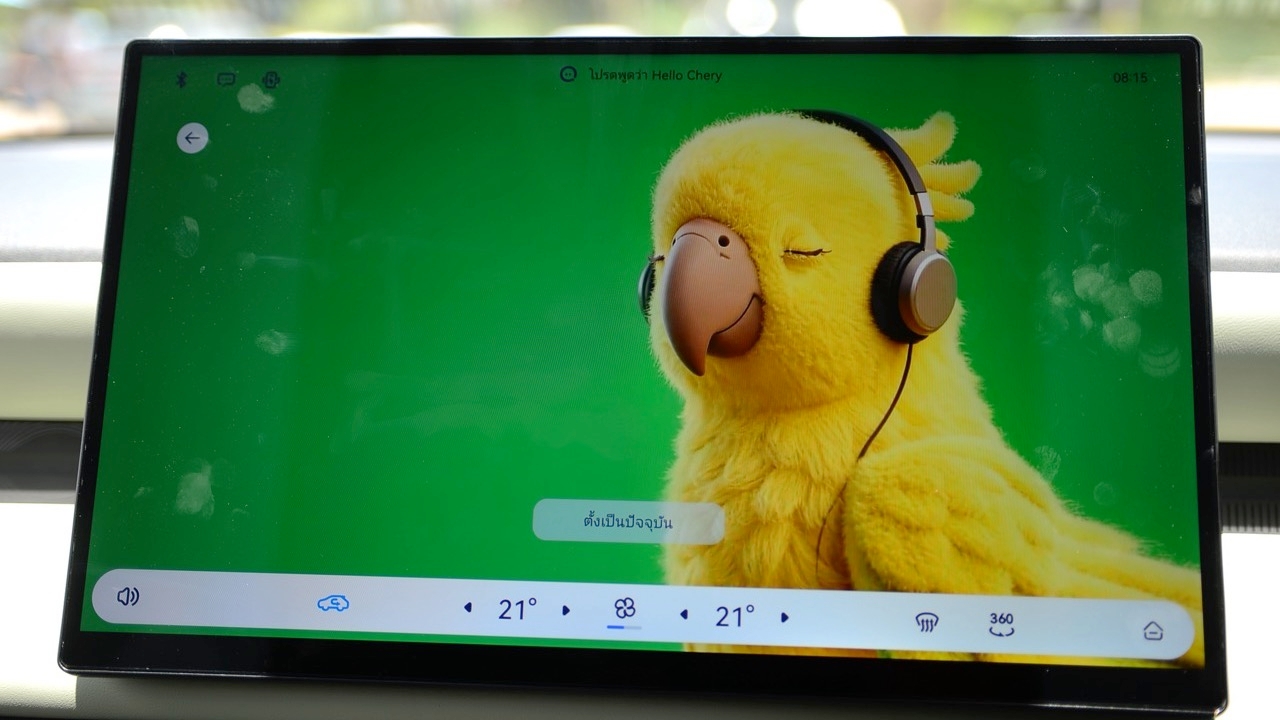
Dedicated energy management system (Camp Mode): Many EV models include a mode specifically for resting, which maintains cabin temperature, powers entertainment devices, turns off the main screen, and keeps the doors locked throughout the night for safety.


Electricity consumption while parked with the AC on in an EV averages 1.0–2.0 kilowatt-hours (kWh), roughly 1%–2% of the battery per hour, depending on the battery size of each model.
Factors affecting energy consumption rates
Outside temperature (the most important variable):
At night in cool or normal conditions (25–28°C), the AC compressor works less intensively, using about 0.8–1.2 kWh per hour.
At night in hot and humid conditions (30°C and above), the AC system must cool more aggressively, using about 1.5–2.5 kWh per hour.
AC temperature and fan settings: Setting the temperature to 24–25°C with a low fan speed saves energy compared to colder settings at 20–22°C.
Window tinting and sunshades/thermal insulation: High-quality tint or sunshades help retain cool air, reducing fan workload.
Use of other electrical devices: Keeping the central screen on, charging a phone, or plugging in external equipment via V2L adds to power consumption.

Avoid sleeping in the car if battery is below 25%–30%, as most EVs will automatically disable Camp Mode or AC when battery hits 20% to reserve power for driving to a charging station.

Recommendations for worry-free sleeping in an EV
1. Preparation regarding systems and energy
Check battery before sleeping: On average, running the AC overnight consumes about 1%–2% battery per hour depending on outside temperature. For 8 hours, expect to use about 8%–15% battery. Ensure at least 30% battery remains before parking to avoid system shutdown due to low power.
Activate Camp Mode / Utility Mode if available: Always turn this on to keep the AC and power supply running continuously while maintaining external security systems.
Avoid sleeping during high-power (DC Fast) charging: Although safe, DC charging generates high battery heat, noisy cooling fans, and elevated electromagnetic fields (ELF). Sleeping during slow (AC) charging or normal parking is quieter and more relaxing.


2. Air and ventilation
Crack a window or use an air filter curtain: Even without exhaust gases, sealing the car completely during extended sleep can cause carbon dioxide (CO2) buildup from breathing. Adjust the AC to draw fresh outside air periodically (Fresh Air Intake) or crack a window slightly with a mosquito net installed.

3. Safety and location
Lock doors from inside: When activating Camp Mode, verify that the door locks engage properly to prevent unauthorized entry from outside.
Choose a safe parking spot: Park in well-lit areas with CCTV coverage or official rest/camping areas. Avoid blind corners or parking close to busy roads.
Camp Mode or sleep mode names and menu settings vary among Chinese EV brands according to their OS and interface.

Setup steps by major brand
BYD (Atto 3, Dolphin, Seal, Sealion 6)
On the central screen, swipe down from the top (Quick Settings), select Display Mode (Exhibition / Outdoor Mode) or navigate to Vehicle Settings > Scene Mode > Camping Mode.
Note: If the camping button is unavailable on some versions, users often activate Outdoor / Exhibition Mode, which powers the AC and cabin lights but disables the drive system (gear disengaged) to prevent movement.
DEEPAL / CHANGAN (S07, L07, S05)
Menu path: Vehicle Settings > Scene Mode > select Camp Mode / Rest Mode.
The system adjusts automatically: the driver’s seat reclines, the central screen enters rest mode (playing nature sounds or turning off the display), and the AC runs continuously.
GAC AION (Aion Y Plus, Aion V, Hyptec)
Menu: Choose Rest Mode / Camping Mode from the main control screen or via voice command.
Note: The system disables external Daytime Running Lights (DRL) to avoid disturbing adjacent tents or other people while parked overnight.
MG (MG4, MG ZS EV, Maxus)
Some models enable this via Utility Mode / Energy Management Mode on the power system screen.
Note: Park the car, press brake and start normally, then access the power supply menu to activate continuous AC power before exiting or locking the car from inside.

Additional precautions before enabling Camp Mode on any brand
Turn off external lights: switch headlight settings from Auto to OFF to prevent DRL or headlights from staying on and disturbing others.
Turn off the central screen (Screen Off) to reduce cabin light disturbance during sleep.
Verify internal door locks after enabling mode: lock doors from the driver’s control panel or via app to ensure external security remains engaged.