

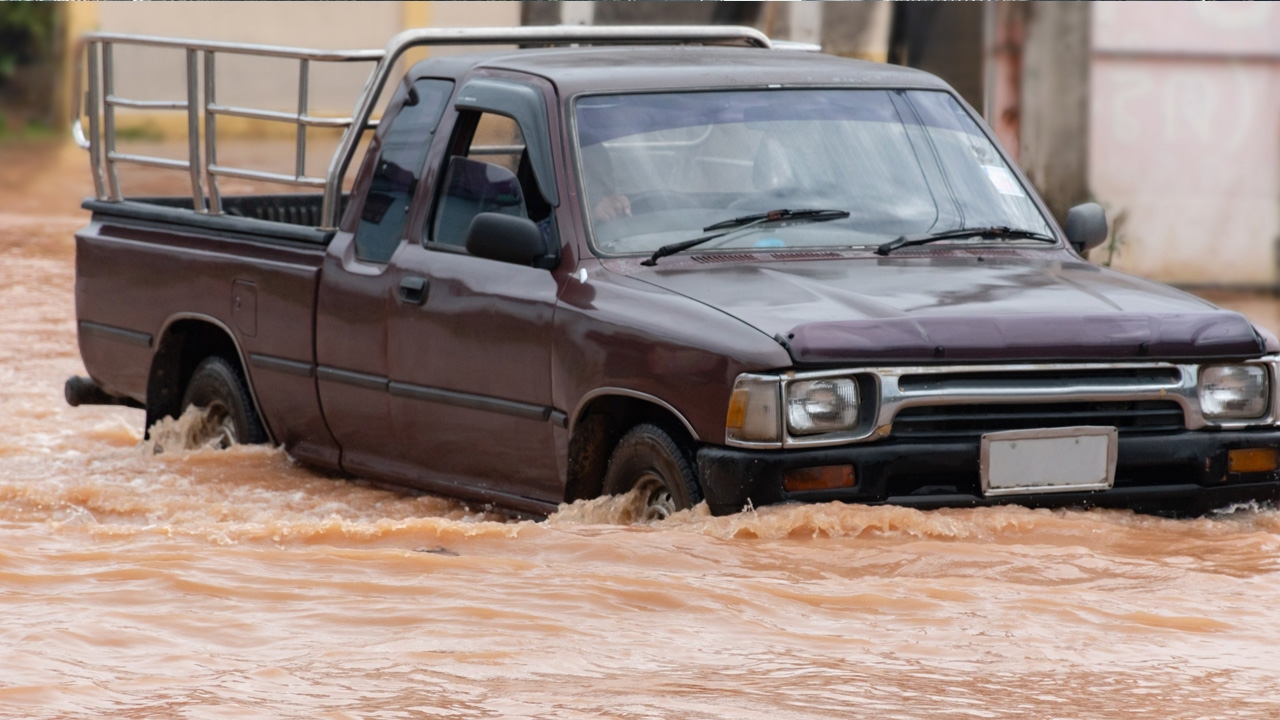
Heavy rain, flooded roads, or cars submerged in parking areas can cause more damage than it seems, especially to the engine, braking system, and electrical components. Let's check the water levels to beware of, along with how to keep your car safe from before the flood arrives to after the water recedes.
When rain continues, the first thing vehicle owners should do is monitor water levels around their homes, parking spots, and travel routes. If in a recurring flood area, it's advisable to move the car to higher ground while it is still safe to do so, and remove documents and valuables from the vehicle.
The Land Transport Safety Office has classified water levels drivers should watch out for as follows:
Water level 5-10 cm: Roads become slippery; reduce speed and avoid splashing water.
Water level 10-20 cm: Small cars may start to have water touching the undercarriage; beware of water entering the vehicle.
Water level 20-40 cm: Sedans and eco-cars face higher risk; better to find alternate routes.
Water level 40-60 cm: Sedans and small cars should avoid the area.
Water level 60–80 cm: Dangerous for all vehicle types; do not attempt to drive through.
These numbers serve as preliminary guidelines, not guarantees that a vehicle can pass through. Variations in vehicle height, air intake location, road conditions, currents, and waves from other cars differ. If you cannot see the road surface or are unsure of water depth, choose another route.

If your engine stalls while driving through water, do not attempt to restart it. Prioritize the safety of passengers and contact assistance or a tow truck once in a safe spot. Trying to start the engine again when water has entered can cause more severe damage.
For cars parked in floodwaters, do not rush to start the engine once waters recede, even if the exterior looks dry. Experts recommend thoroughly assessing damage before use, since some flood damage symptoms may not appear immediately.
Start by photographing water stains inside and outside the vehicle and recording the flood time. Contact your insurance company and a service center or repair shop. If water entered the cabin or you suspect the engine compartment, have the car towed for inspection.
Critical points for mechanics to check include air intakes and engine, engine oil and other fluids, transmission, brakes, electrical equipment, control units, as well as carpets and underfloor materials that may trap mud and moisture. Simply drying the seats may not be enough.
If you only drove through shallow water and the car still functions normally, Thairath Online recommends driving slower and testing brakes after exiting the water. If brakes feel abnormal, warning lights appear, or the car hesitates, stop using it and get it inspected.
If an electric or hybrid vehicle is flooded, do not touch damaged high-voltage wires or components, and do not charge the vehicle until inspected by experts. Inform rescue personnel that the vehicle is EV or hybrid. The U.S. National Highway Traffic Safety Administration (NHTSA) warns that damaged batteries may overheat or catch fire later.
For all vehicles, keep records of inspections and replaced parts after repairs. If you later notice musty odors, warning lights, electrical issues, or changes in brake performance, return for immediate checks. A vehicle that "runs" may still have hidden flood damage.