

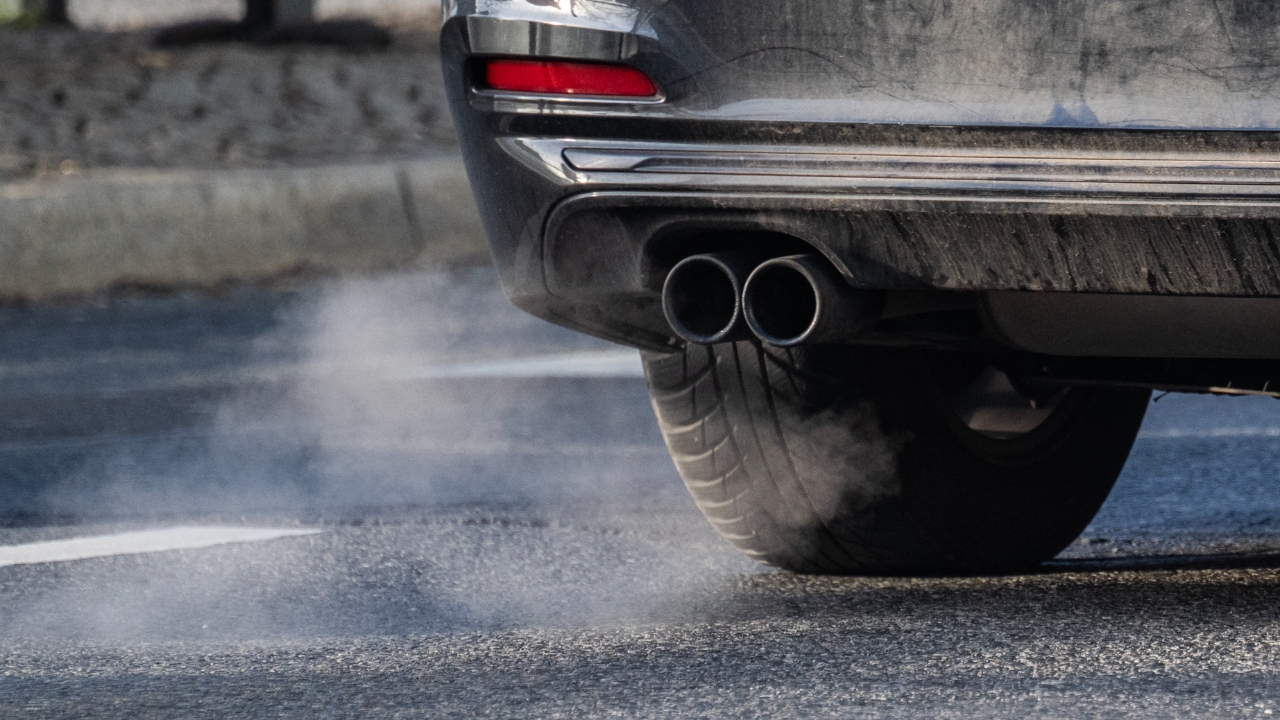
The European Union has relaxed its plan to stop selling petrol cars, reducing the goal from a 100% ban by 2035 to only 90%, following heavy lobbying by car manufacturers.
Foreign news agencies reported that on Tuesday, 16 Dec 2025 GMT+7, the EU decided to ease its plan to ban the sale of new petrol and diesel cars starting in 2035. Instead of a complete 100% ban, the new target is to end only 90%, after German car companies lobbied intensely.
Under the EU's original plan, all new cars sold from 2035 onward had to be zero-emission vehicles, such as fully electric cars, accounting for 100% of sales. The latest plan allows 90% of new cars to be zero-emission, while the remaining 10% can still be traditional petrol, diesel, or hybrid vehicles.
According to data from the European Automobile Manufacturers Association (ACEA), current market demand for electric vehicles remains too low. Without regulatory changes, manufacturers risk fines worth "billions of euros."
Previously, Ms. Sigrid de Vries, ACEA's Director General, said that "flexibility" for manufacturers is "urgent" because 2030 is approaching quickly and market demand is too low to avoid penalties. She emphasized the need for time to build charging infrastructure and implement financial incentives to move the market forward.
"Policymakers must give manufacturers breathing room to preserve jobs, innovation, and investment," Ms. de Vries added.
However, despite easing the plan, the European Commission still expects increased use of biofuels and so-called e-fuels—synthetic fuels made from captured carbon dioxide—to offset higher emissions from petrol and diesel cars.
Car manufacturers are also expected to use low-carbon steel produced within the EU for their vehicles.
This relaxation has drawn criticism from environmental groups, who warn it could undermine the transition to electric vehicles and expose the EU to competitive risks from abroad.
The transport environmental group Transport & Environment (T&E) warned the United Kingdom against following the EU's example by weakening its own zero-emission vehicle (ZEV) mandate.
"The UK must stand firm. Our ZEV mandate is driving jobs, investment, and innovation into the UK. As a major exporter, we cannot compete without innovation, and the global market is rapidly shifting to electric," said Anna Krajinska, Director of T&E UK.
Follow international news:https://www.thairath.co.th/news/foreign
Source:bbc