

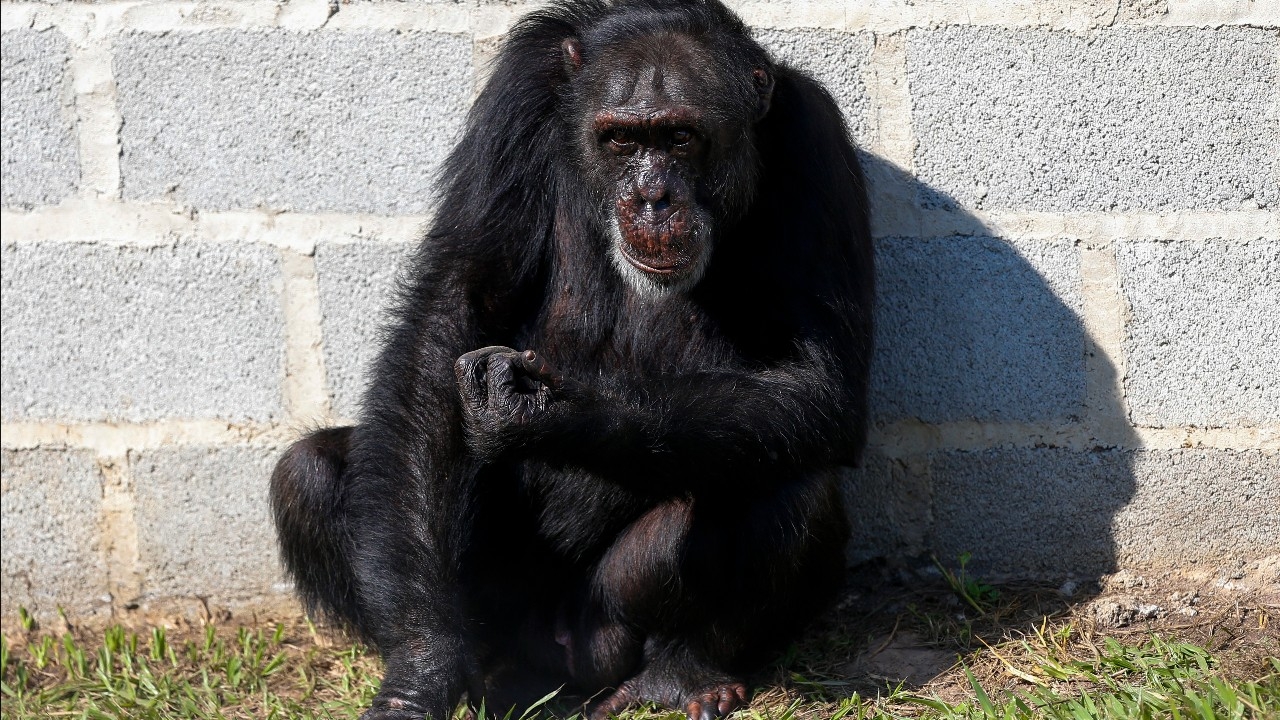
Australian researchers found that mammals that stop reproducing, whether through hormonal contraception or sterilization, have an average lifespan increase of about 10-20%.
The University of New South Wales in Australia revealed research analyzing records from 117 mammal species under human care, such as lions and mice, to study the relationship between longevity and reproduction. They found that animals ceasing reproduction, by hormonal contraception or sterilization, lived on average 10-20% longer.
Malgorzata Lagisz, a biologist from the university and co-author of the study published in the journal Nature, said this study provides some of the clearest evidence supporting the key evolutionary biology concept that reproduction shortens lifespan.
The researchers explained that evolutionary theory suggests when an organism invests energy into producing and raising offspring, it comes at the cost of reduced cellular repair and long-term health maintenance.
The study, led by researchers from New Zealand and Australia, used a comprehensive zoo database linking birth, death, and reproductive management information through contraception or sterilization, enabling lifespan comparisons across many mammal species.
The study found differing mechanisms between sexes: in males, only castration extended lifespan, especially if done before puberty. This is likely due to reduced testosterone-driven risky and aggressive behaviors that often cause injury or premature death.
In females, the research showed that both hormonal contraception and surgical sterilization consistently extended lifespan across all species, regardless of timing.
Lagisz explained that repeated pregnancy, lactation, and reproductive cycles not only demand high metabolic energy but may also weaken the immune system. She added that when females are freed from reproductive burdens, their bodies can allocate more resources to enhancing immunity and tissue repair, reducing infection risk.
This study also helps explain the evolution of menopause, suggesting that it may be beneficial for survival in later life stages.
However, the researchers cautioned against directly applying these findings to human health decisions, noting that access to healthcare, medical treatment, nutrition, and social support greatly mitigate the physical hardships associated with reproduction.
Source: Xinhua News Agency
. Click to read news aboutReproduction